
Experts discuss satellite technology, AI, GIS, and joint research initiatives to strengthen agriculture and livestock development
New Delhi: In a significant step towards strengthening international academic collaboration, the MERI Centre for International Studies hosted a high-level delegation from Uzbekistan to discuss partnerships in research, innovation, and the application of space technology in agriculture and livestock development.
The delegation included senior officials from Bukhara State University (BSU) and Samarkand State University of Veterinary Medicine, Livestock and Biotechnologies. The meeting brought together Indian and Uzbek academic leaders to explore how modern technology can support traditional sectors such as farming and animal husbandry.
A key highlight of the discussions was the growing role of space technology in agriculture. Lt General PJS Pannu (Retd), Chief Mentor and Dean of the Department of Space Studies at MERI, explained how satellite-based technologies are helping improve land development, crop management, and environmental monitoring.
The discussions focused on several important areas, including:
Precision Agriculture: Use of satellite-based technologies to improve crop productivity and farming efficiency.
Environmental Monitoring: Application of space technology for soil analysis and real-time climate monitoring.
Advanced Research Collaboration: Opportunities for joint work in Geographic Information Systems (GIS), Artificial Intelligence (AI), and military space studies.
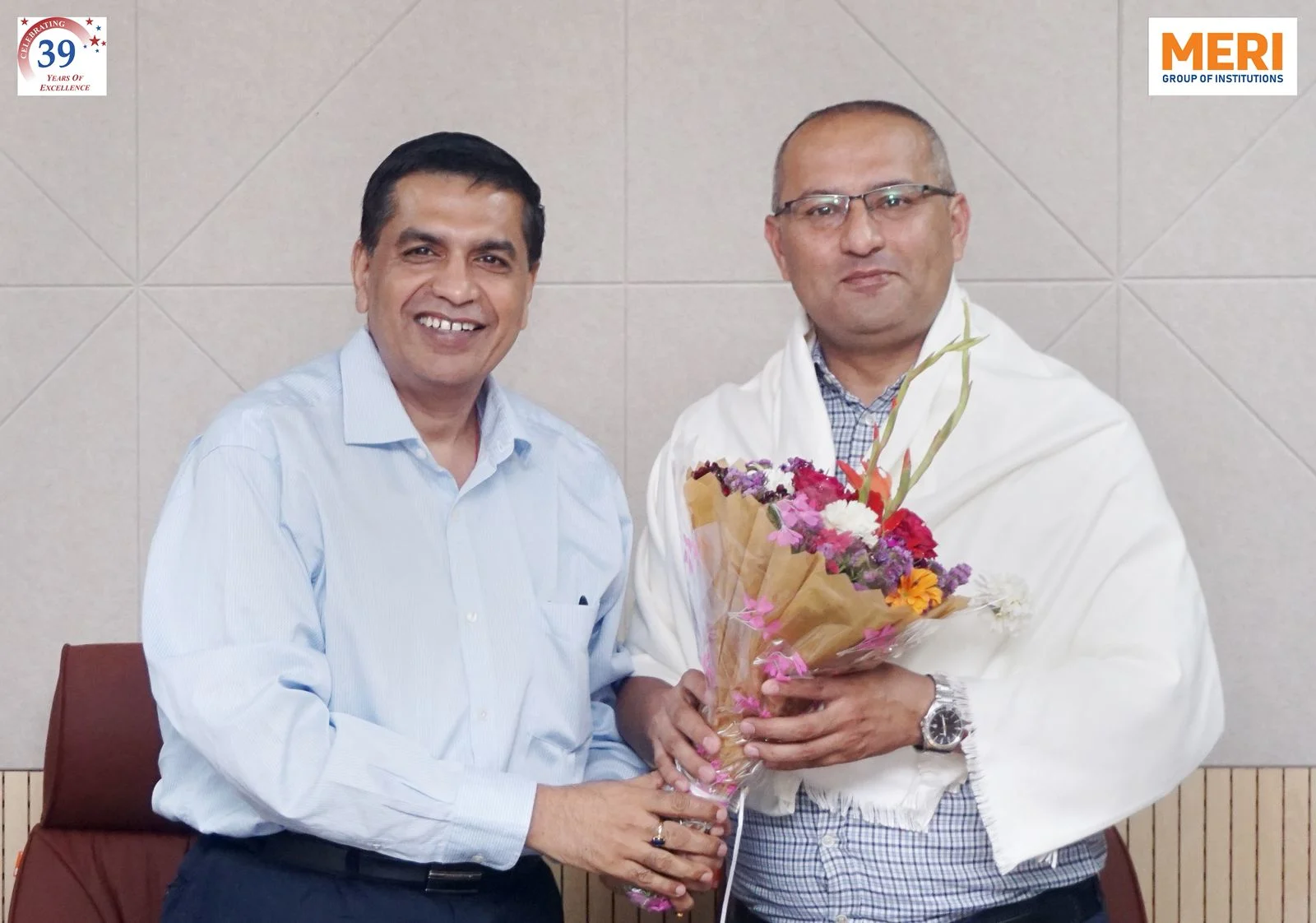
Prof. Lalit Aggarwal, Vice-President of MERI Group of Institutions, and Prof. Ramakant Dwivedi welcomed the delegation and reaffirmed MERI’s commitment to global academic partnerships and innovation-driven research.
Representing the Uzbek delegation, Dr. Abror Juraev of Bukhara State University said the institution is keen to expand international academic collaboration. He noted that BSU, a multidisciplinary university covering nearly all major disciplines, is currently undergoing rapid state-supported expansion.
Mr. Tolip Taylako, Vice-Rector of Samarkand State University of Veterinary Medicine, Livestock and Biotechnologies, highlighted the importance of combining veterinary sciences with innovative space-based solutions for livestock development, calling it essential for Uzbekistan’s future economic growth.
The meeting concluded with Prof. Dani stressing the need for a mutual agreement to introduce certificate and diploma programmes in space studies. He said such initiatives would not only strengthen research and skill development but also deepen the long-standing historical and cultural ties between India and Central Asia through modern technological cooperation.
