
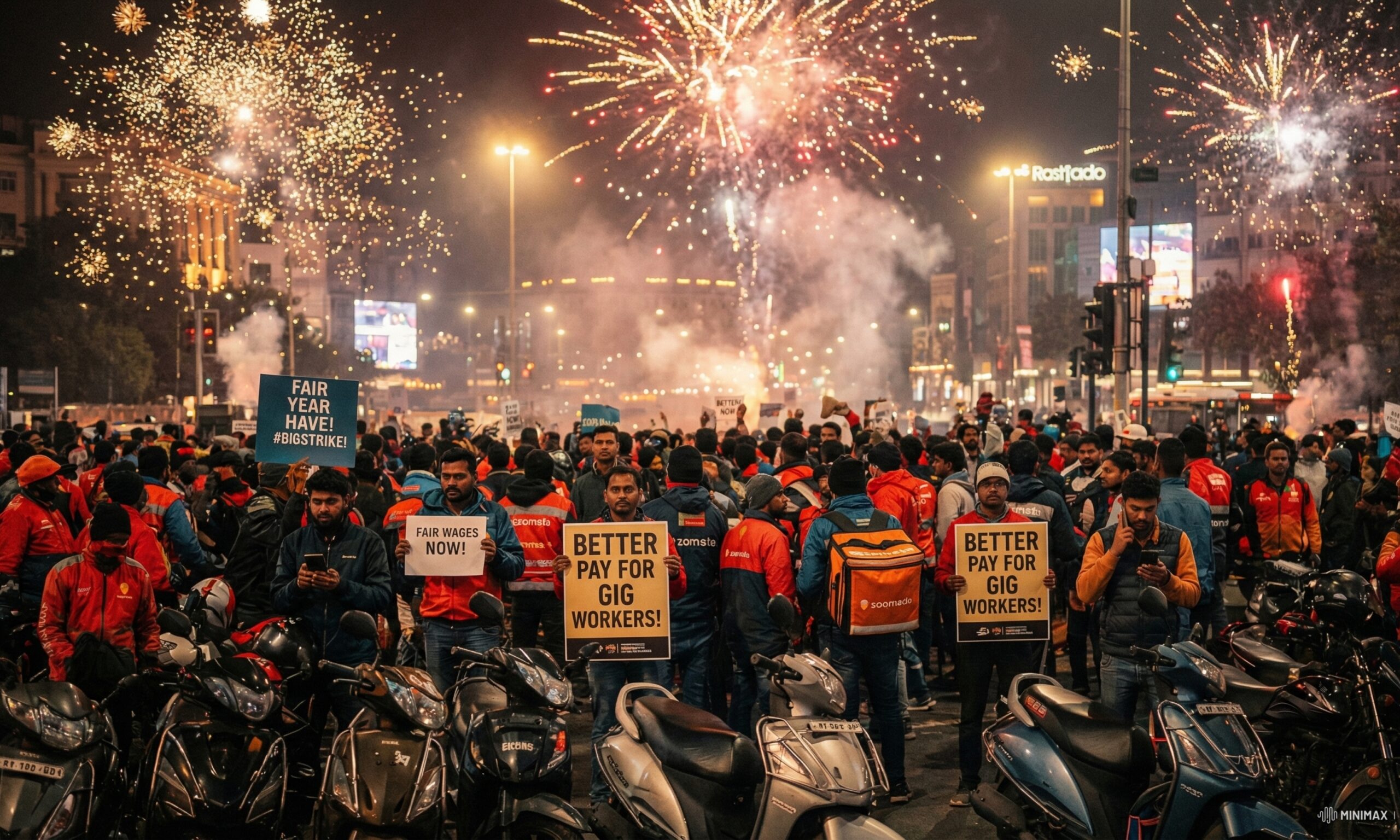
New Year’s Eve 2025 may see major delivery disruptions as lakhs of Swiggy, Zomato and Blinkit workers plan a nationwide strike. Know the reasons behind the protest and its impact on customers.
New Delhi: While millions of Indians plan their New Year’s Eve celebrations with food and grocery deliveries in mind, the workers behind these apps are planning a nationwide shutdown. Around 1.5 lakh delivery partners from Swiggy, Zomato, Zepto, Blinkit, Amazon, and Flipkart have announced a strike on December 31, 2025, during peak evening hours. The protest is likely to disrupt deliveries across cities, but workers say it is their only way to demand fair pay, safety, and respect in India’s rapidly expanding gig economy.
How It Started: From Christmas Protest to New Year’s Eve Shutdown
The roots of this strike go back to Christmas Day, December 25, 2025, when more than 40,000 delivery workers logged out of apps in protest. That action led to 50–60% delivery disruptions in cities like Delhi, Mumbai, and Bengaluru, especially during peak hours.
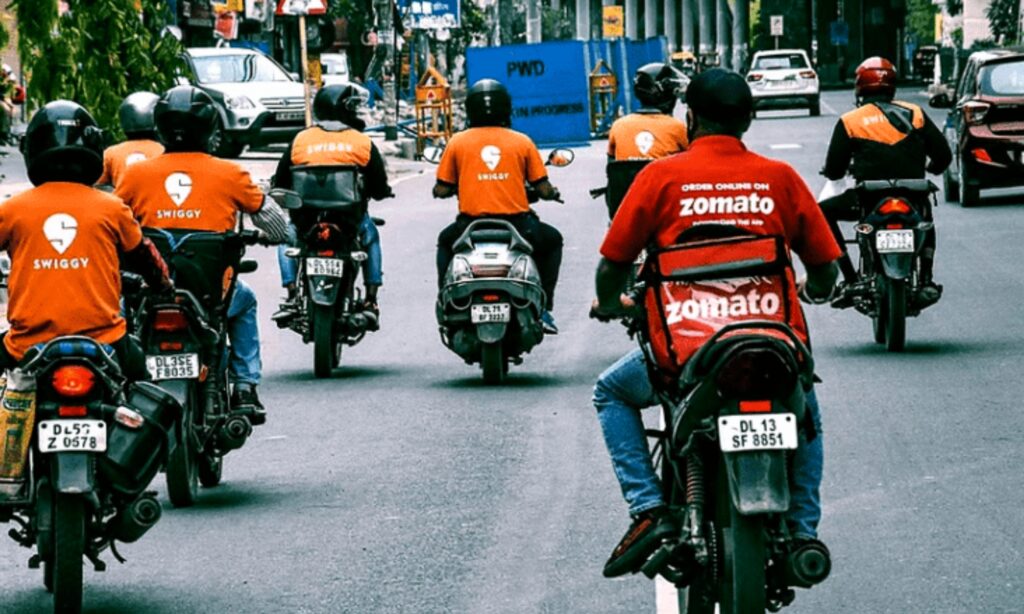
Encouraged by the response, worker unions decided to scale up the protest. By the end of December, they officially announced the New Year’s Eve strike through press releases, social media campaigns, and a formal letter to the government. This also follows a similar digital strike held last year, where workers raised the same issues but saw little change.
This year’s strike is being described as one of the largest and most coordinated protests in India’s gig economy, with workers from metro cities as well as tier-2 cities like Pune, Hyderabad, Kolkata, and others expected to participate.
India’s gig economy is now worth more than $5 billion and employs millions of people. While delivery apps promise fast service to customers, workers—many from poor or marginalized backgrounds—say they pay the real price.
“We are the reason these apps work, but we are treated as if we can be replaced anytime,” said a Zomato delivery partner from Hyderabad, reflecting a feeling shared by many workers online.
Unions Take the Lead: Women at the Front of the Movement
Leading this nationwide protest is the Gig and Platform Services Workers Union (GIPSWU), India’s first women-led national union for gig workers. They are supported by the Indian Federation of App-Based Transport Workers (IFAT) and the Telangana Gig and Platform Workers Union (TGPWU).
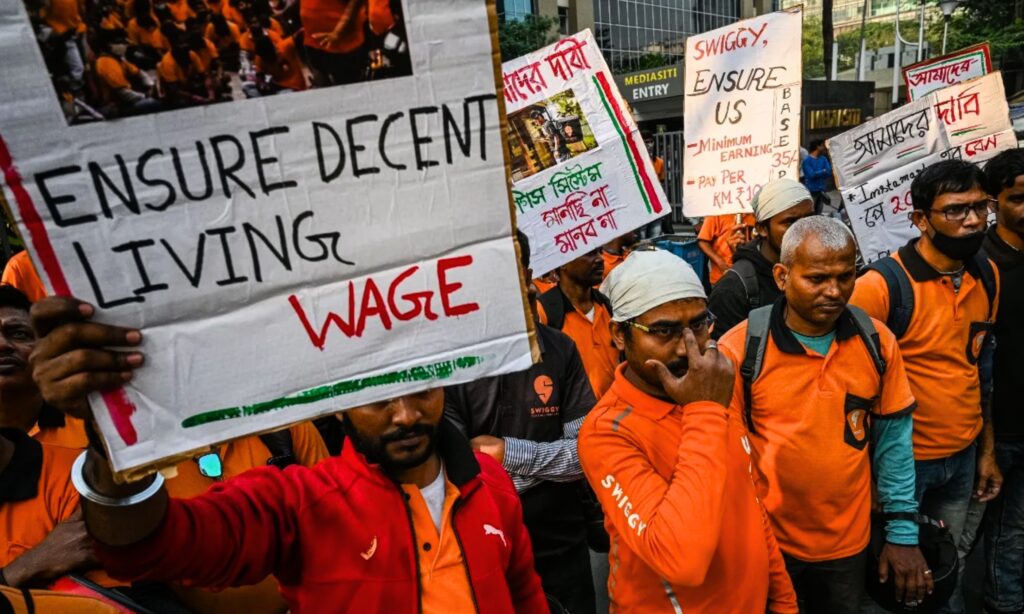
Key leaders involved include Shaik Salauddin (IFAT co-founder and TGPWU president), Seema Singh (GIPSWU president), and Nirmal Gorana (national coordinator). These unions represent a wide range of workers, including a growing number of women delivery partners.
The unions have organized meetings on the ground and discussions online, stressing that gig workers should have the right to collective bargaining, just like workers in other sectors.
Main Demands: Not Just Money, But System-Level Change
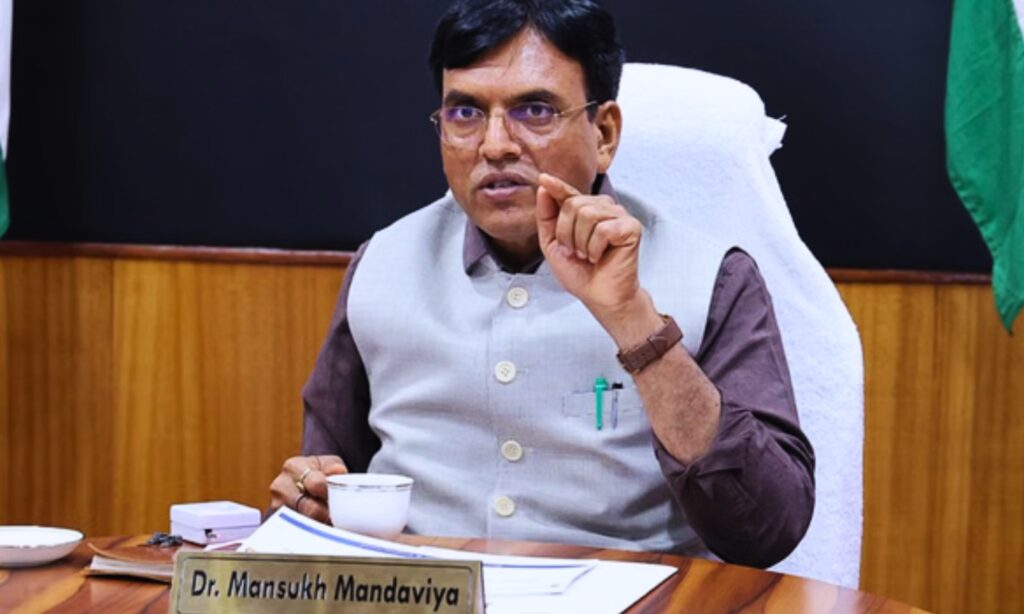
The unions have submitted a 15-point charter of demands to Union Labour Minister Mansukh Mandaviya. Their demands focus on long-term reforms, not temporary bonuses. Key demands include:
Fair Pay:
- Minimum payment of Rs 20 per kilometre
- Guaranteed monthly income between Rs 24,000 and Rs 40,000
- Compensation when customers cancel orders
Safety and Working Conditions:
- End extremely fast delivery targets like 10–20 minute deliveries, which increase accident risks
- Mandatory safety gear, proper rest breaks, and reasonable working hours
- Removal of forced peak-hour slots and weekend restrictions
Job Security:
- Stop sudden and unfair ID blocks
- Fair process before deactivating any worker account
- End punishment based only on customer ratings
Support Systems:
- 24/7 human customer support, not only AI bots
- Reopening of physical company hubs
- For women workers, delivery distance limits of up to 7 km
Social Security:
- Health insurance, accident coverage, pensions
- Paid maternity and emergency leave
- Strong protection for women workers
Transparency and Rights:
- Clear explanation of how algorithms decide work and pay
- Proper grievance redressal systems
- Official recognition of worker unions
Government Regulation:
- Strict enforcement of labour laws for gig platforms
A Blinkit delivery worker from Pune explained how earnings have fallen despite longer hours.
“I work 12 to 14 hours a day. I get Rs 15 to Rs 20 per order, but after fuel costs, almost nothing is left,” he said. Workers say app algorithms control everything, from shifts to pay, and sudden account blocks leave families without income. Union leaders warn, “India cannot become a developed nation if its workers are treated unfairly.”
Real Stories: The Human Side of the Gig Economy
Behind the numbers are real people. A Swiggy delivery worker in Delhi said workers are often scared to speak up.
“They watch our chats. If we talk about unions, our work can stop,” he claimed.
Women delivery partners say they face extra challenges, including unsafe late-night deliveries and lack of support. Many workers report rising accidents due to pressure to deliver faster, extreme fatigue, and complete absence of social security—despite the companies earning billions.
Also Read on jabalpur today: Khaleda Zia Dies at 80: Life, Political Journey, and Her Role in Bangladesh–India Relations
Government Under Pressure: Laws Exist, But Implementation Is Weak
The unions have urged Labour Minister Mansukh Mandaviya to properly implement the Code on Social Security, which requires gig platforms to contribute 1–2% of their turnover to a welfare fund for workers.
Labour experts say the problem is not lack of laws, but lack of action.
“Everything looks good on paper, but workers are not getting benefits,” one expert said. While the government has not responded yet, this strike could push policy changes in 2026.
What Customers Can Do
Consumers planning New Year’s celebrations are advised to order in advance, choose self-pickup, or support local restaurants and stores. Fair tipping and sharing workers’ concerns online can also help show support and keep the conversation alive.
A Defining Moment for India’s Gig Economy
This strike is not only about December 31. It is about fairness in a fast-growing digital economy. If these issues remain ignored, experts believe more protests will follow, possibly leading to large-scale unionization of gig workers across India.
As 2025 comes to an end, India’s delivery workers are sending a clear message:
Change must come—or the log-offs will continue.
Also Read on jabalpur today: India Surpasses Japan to Become World’s 4th Largest Economy in 2025: Enters Goldilocks Era

Mansi Sharma is a journalist covering Global Affairs, and wellness, known for turning complex ideas into sharp, engaging narratives. Her work is driven by curiosity, depth, and a constant urge to question and explore. When she’s not writing, you’ll often find her diving into new ideas—preferably with a cup of coffee in hand, one sip at a time.