
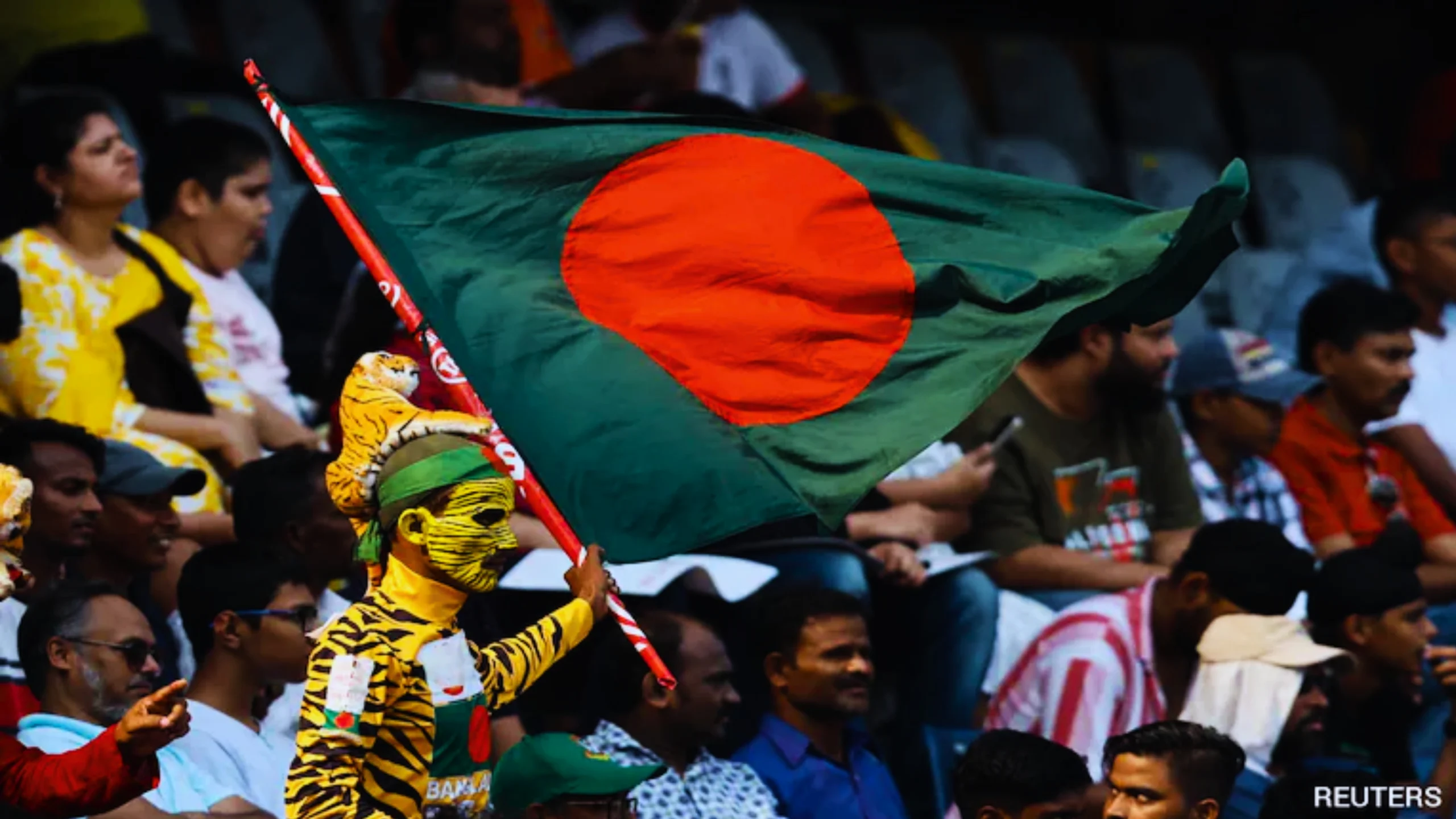
Ahead of the 2026 polls, Bangladesh’s Gen-Z voters who led the 2024 uprising feel betrayed by unmet reform promises, rising violence and limited political choices after Sheikh Hasina’s exit.
Dhaka/ Bangladesh: As Bangladesh prepares for its crucial parliamentary elections on February 12, 2026, disappointment is growing among young voters. These will be the country’s first elections since the 2024 student-led uprising that ended Sheikh Hasina’s 15-year rule.
Gen-Z voters, who once led the demand for a “New Bangladesh” free from repression and family politics, now feel let down. Many young Bangladeshis say they are being forced to support traditional political parties because the interim government has failed to deliver reforms and no strong new alternatives have emerged.
2024 Uprising: From High Hopes to Broken Promises
The 2024 protests began over disputes about job quotas but soon grew into a nationwide movement against authoritarian rule. After weeks of violent clashes that killed hundreds of people, Sheikh Hasina fled to India on August 5, 2024.
Following her exit, Nobel Peace Prize winner Muhammad Yunus, now 84, was appointed chief advisor of an interim government. His task was to stabilise the country and organise free elections.
However, one year later, young voters say their hopes remain unfulfilled. Gen-Z makes up more than 25% of Bangladesh’s 128 million voters, and many now express anger over delayed reforms, economic hardship, and rising violence.
“We dreamed of a country where everyone—regardless of gender, race or religion—would get equal opportunities. We expected real policy changes and reforms, but what we see today is far from that dream,” said Sadman Mujtaba Rafid, a 25-year-old Dhaka University student who joined the protests despite pressure from his family and police.
Interviews with dozens of people under 30 show a common feeling: while they are happy elections are happening, they are deeply unhappy with the limited choices. Most say the contest has narrowed down to either old political parties like the BNP or alliances involving Islamist groups.
Understanding the Election Landscape
The elections will decide 300 parliamentary seats and also include a referendum on major reforms, such as:
• limits on the prime minister’s term
• stronger independence for the judiciary
Sheikh Hasina’s Awami League remains banned under anti-terrorism laws. This has opened the field mainly to:
• The Bangladesh Nationalist Party (BNP), led by Tarique Rahman, son of former Prime Minister Khaleda Zia
• Jamaat-e-Islami, the country’s largest Islamist party, whose election ban was lifted in 2025
Opinion polls from December 2025 show a very close contest:
• BNP: 34.7%
• Jamaat-e-Islami: 33.6%
Youth turnout is expected to be extremely high. According to the Bangladesh Youth Leadership Center, 97% of voters aged 18–35 are likely to vote. Their votes are almost evenly divided between BNP and Jamaat.
Young voters say their main concerns are:
• employment opportunities
• personal safety
• freedom of expression
This comes at a time when youth unemployment stands at 13.5%, and 2 million people enter the workforce every year.
“Young voters want clear and time-bound promises on security, education reform and accountability,” reported The Daily Star, based on interviews with students and working professionals.
Youth Disappointment With the “New” Political Options
The National Citizens Party (NCP), founded by former student leaders including 27-year-old Nahid Islam, initially emerged as a fresh alternative for Gen-Z voters. However, the party has struggled due to:
• lack of funding
• weak organisation
• its alliance with Jamaat-e-Islami
This alliance has reduced NCP’s support, especially among moderate voters and religious minorities.
NCP spokesperson Asif Mahmud says the partnership is only “strategic” and not ideological, and insists the party does not support Sharia law.
But many young protesters disagree. “The alliance has made them lose their moral credibility,” said 23-year-old student Shudrul Amin, adding that many youths now feel forced to return to older parties.
BNP and Jamaat Try to Rebrand Themselves
The BNP is presenting itself as a secular and inclusive party. Tarique Rahman has promised a “safe Bangladesh for all castes, creeds, faiths and religions.”
Meanwhile, Jamaat-e-Islami is attempting to soften its image. It has released a “People’s Manifesto” focused on youth and women, and has even fielded a Hindu candidate in Khulna-1. The party is also promising religious harmony.
Jamaat leader Shafiqur Rahman described Bangladesh as a “flower garden of unity”
for people of all religions, as the party tries to win minority support despite its controversial past.
Rising Violence and Growing Fear Among Minorities
The election campaign has been marked by serious violence:
• Assailants killed BNP youth leader Azizur Rahman Musabbir.
• Gunmen shot student activist Sharif Osman Hadi, who later died in December 2025.
• Mobs set several media offices on fire.
Minority communities are increasingly fearful:
• Hindus report cases of lynchings and arson
• Christians say they have no trust in either major political alliance
• Amnesty International warns that Bangladesh’s civic space is shrinking
“The July revolution has completely lost its spirit,” said 23-year-old Buddhist student Hema Chakma, pointing to the rise in mob attacks on journalists and minorities during Yunus’ interim rule.
Reforms, Expectations, and What Lies Ahead
Muhammad Yunus’ administration has focused mainly on election preparations. It introduced the “July Charter”, which includes 84 reform proposals signed by political parties.
After the election, the party plans to prioritise digital healthcare and youth development programmes, along with advancing the “Three Zero” agenda, which focuses on achieving zero poverty, zero unemployment, and zero net carbon emissions.
Political analysts believe young voters will play a decisive role. Asif Shahan, a professor at Dhaka University, says Gen-Z influence is clear but warns that old parties may not fully understand the shift in youth thinking—from fear-based politics to hope-driven change.
“People are going to vote, and that itself is important,” said 26-year-old activist Umama Fatema.
“Only a democratically elected and stable government can guide Bangladesh forward.”
As Bangladesh heads to the polls, the election will decide whether the promise of the 2024 revolution survives—or fades into the country’s familiar political patterns.
Also Read on jabalpur today: Supreme Court Calls ED Raid Obstruction in Kolkata ‘Very Serious’; Says It Will Closely Examine Allegations Against Mamata Banerjee
