
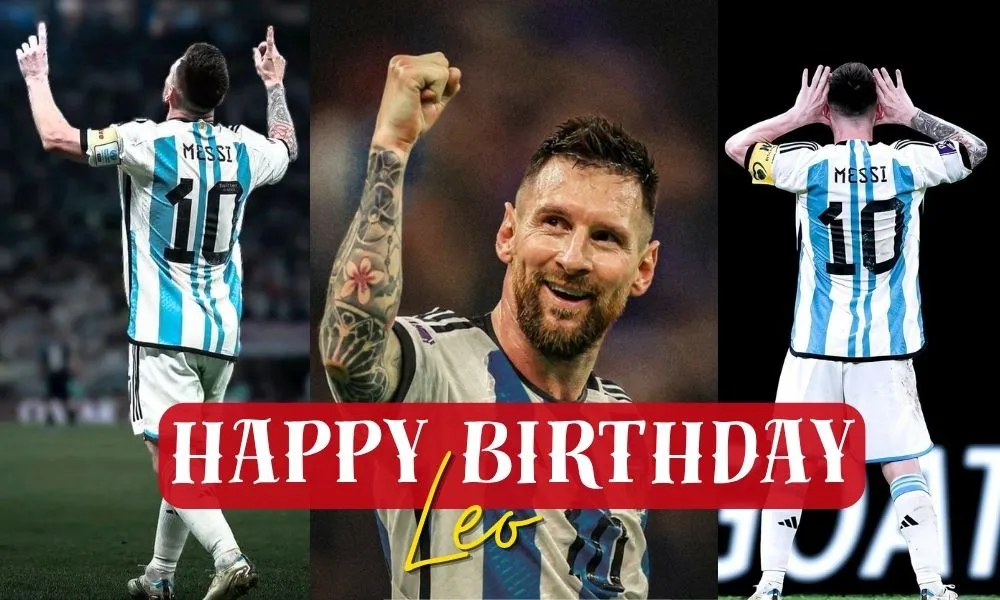
At 39, Lionel Messi remains football’s defining icon. Discover his journey from Rosario to World Cup glory, his struggles, records, and lasting legacy
New Delhi: Few birthdays in sport carry the weight of a legacy—but Lionel Messi’s does. At 39, he stands not just as a footballer, but as a defining force of the modern game. From Rosario’s humble lanes to football’s biggest stages, his journey reflects far more than silverware—it is a story of resilience, belief, and enduring genius.
Football has been graced by icons such as Pelé, Diego Maradona, Johan Cruyff, and Cristiano Ronaldo. Yet in defining the modern era, Messi stands apart — not just for what he has won, but for how he has played the game.
A Fragile Start, A Strong Dream
Born in Rosario in 1987, Lionel Messi grew up in a modest household where dreams were big but resources were limited. From a very young age, he showed an extraordinary love for football. By the age of five, he trained regularly, learning the game under the guidance of his father at a local club. He didn’t just play—he stood out. His close control, quick feet, and natural instinct with the ball set him apart from other children.
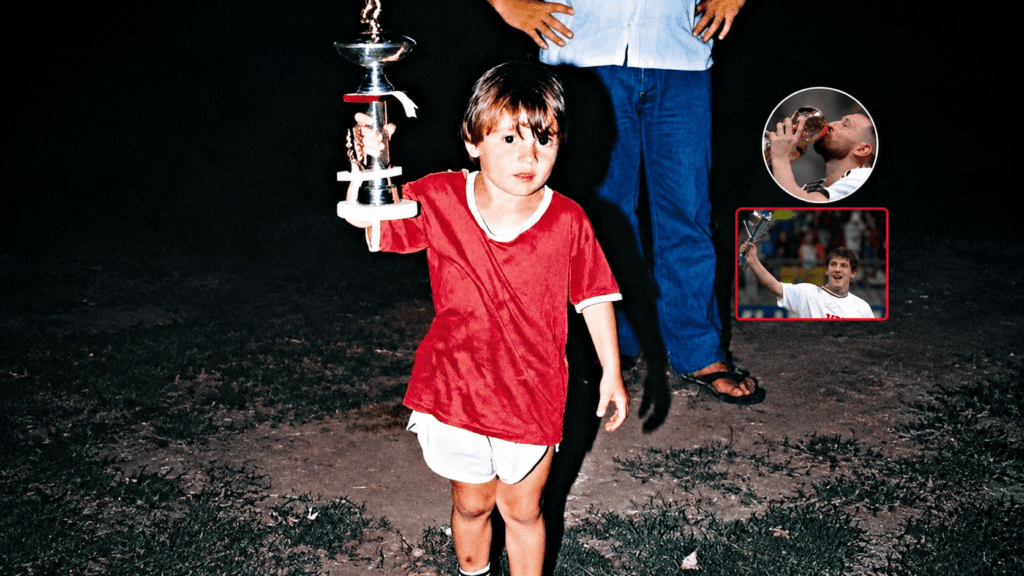
However, life soon tested his determination. At just 11 years old, doctors diagnosed Messi with Growth Hormone Deficiency, a condition that threatened both his health and his footballing future. The treatment required regular injections and came at a cost his family could barely manage. Despite the financial strain and emotional burden, Messi refused to give up. He continued to train, to dream, and to believe in his future.
His family stood firmly behind him, making sacrifices and searching for opportunities that could support both his treatment and his talent. This phase of his life shaped his mindset. He didn’t allow obstacles to define him—instead, he used them as fuel. What could have ended his journey became the foundation of his resilience. Messi turned adversity into motivation, and in doing so, he took the first steps toward becoming one of football’s greatest legends.
A Signature That Rewrote Football’s Future
When opportunities in Argentina began to slip away, Lionel Messi and his family refused to give up hope. They searched for a chance that could support both his talent and his medical needs. That chance arrived from Spain, when scouts from FC Barcelona noticed his extraordinary ability and invited him for a trial.
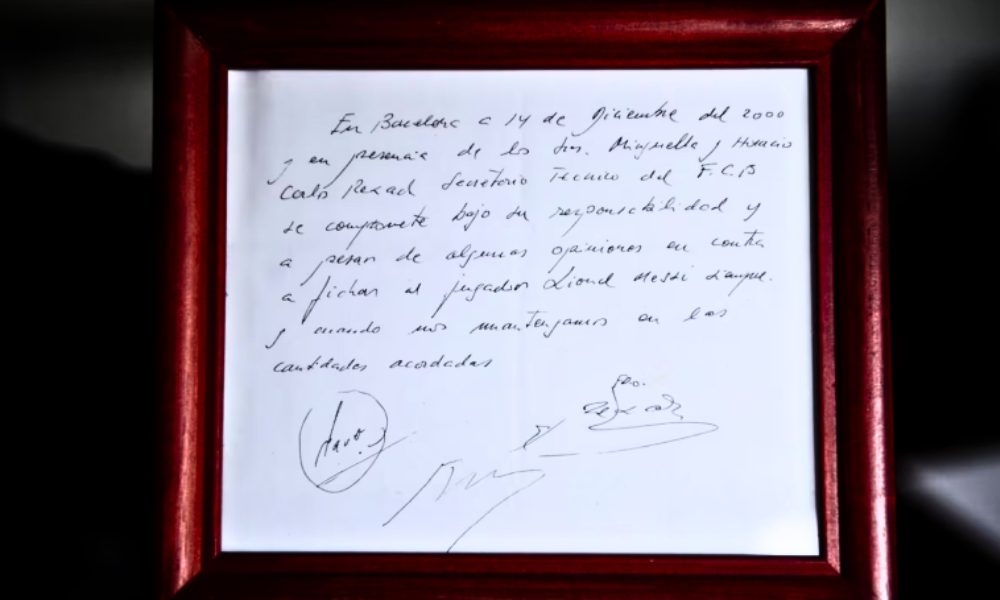
Messi grabbed the opportunity with both hands. He trained with confidence, showcased his natural skill, and impressed everyone who watched him. His close control, vision, and maturity at such a young age convinced the club that they had discovered something special.
During this crucial moment, sporting director Carles Rexach decided not to wait. He wanted to secure Messi’s future at the club immediately. With urgency and belief, he reportedly wrote the outline of Messi’s first agreement on a simple paper napkin. That small act reflected complete faith in a young boy’s potential.
Barcelona didn’t just sign a talented player—they made a life-changing commitment. The club agreed to fund Messi’s expensive medical treatment and welcomed him into La Masia, their famed youth academy. They provided him with structure, support, and a platform to grow.
This decision changed everything. Messi moved to Spain, adapted to a new life, and continued his development with discipline and focus. What started as a handwritten promise soon became one of the most important decisions in football history. Barcelona shaped Messi, and Messi, in return, redefined greatness at Barcelona.
Rise of a Football Icon
Lionel Messi didn’t take long to announce himself in Spain. From his very first appearances, he showed a level of control, balance, and vision that few players could match. He didn’t just play the game—he shaped it with every touch. At just 17, he earned his senior debut for Barcelona, and he immediately gave fans a glimpse of what was to come.
In those early years, Messi shared the dressing room with global stars, including Ronaldinho. Instead of feeling overwhelmed, he learned, adapted, and grew stronger. Ronaldinho recognized his brilliance early and openly said that Messi would one day surpass him. Messi didn’t respond with words—he proved it on the pitch, game after game.
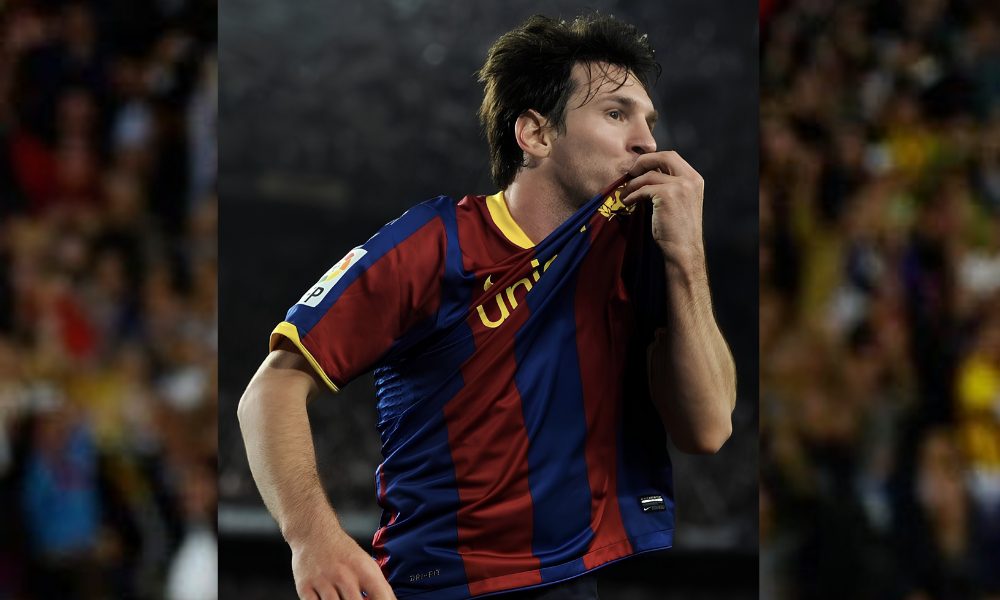
As Messi developed, he took on more responsibility and became the heartbeat of the team. Under Pep Guardiola, he reached another level entirely. Guardiola built a system that allowed Messi to thrive, and Messi delivered performances that redefined attacking football. Alongside Xavi and Andrés Iniesta, he formed the core of a Barcelona side that dominated not just by winning, but by playing a style of football that captivated the world.
The 2009 season marked a historic breakthrough. Barcelona won the treble, and Messi led the charge with consistency, creativity, and crucial goals. That year, he claimed his first Ballon d’Or, and he set the standard for an era of dominance.
Messi continued to break records and raise expectations. He won 10 La Liga titles, 4 UEFA Champions League trophies, and scored an incredible 672 goals for Barcelona. He carried the team in big moments, delivered under pressure, and maintained excellence over more than a decade. His journey from a young prodigy to a global phenomenon didn’t happen by chance—he built it through discipline, hard work, and an unmatched understanding of the game.
Reinvention Beyond Barcelona
In 2021, Messi’s emotional departure from Barcelona signaled the end of an era. He joined Paris Saint-Germain, where he continued to add to his trophy cabinet.
Two years later, his move to Inter Miami reshaped football’s landscape in the United States. Even in the twilight of his career, Messi remains a transformative figure, elevating both performance and global attention wherever he plays.
Love, Loyalty, and Life Beyond the Pitch
Away from football, Messi’s life reflects rare stability. His relationship with Antonela Roccuzzo — his childhood sweetheart — is a story rooted in simplicity and enduring connection. Married in 2017, the couple now have three sons, with Messi often crediting his family as his emotional anchor.
From Criticism to Catharsis
Despite unparalleled club success, Messi’s international career was long shadowed by disappointment. Argentina’s loss in the 2014 World Cup final and consecutive Copa América defeats led to intense scrutiny.
In 2016, he briefly retired from international football — a decision that stunned the world. But he returned, driven by unfinished ambition.
That decision changed everything.
The Night That Completed the Legacy
In 2021, Argentina ended a 28-year wait by winning the Copa América. A year later, Messi delivered the defining chapter of his career.
At the 2022 FIFA World Cup in Qatar, he produced a masterclass in leadership and skill. With seven goals and decisive contributions, he led Argentina to a dramatic final victory over France.
When Messi lifted the World Cup, it was more than a triumph — it was redemption, closure, and immortality.
Still Writing History at 39
While most players contemplate retirement at this stage, Messi continues to compete at the highest level. The 2026 FIFA World Cup marks his sixth appearance — an unprecedented feat.
Even now, his intelligence, awareness, and technical precision set him apart. Age may have slowed his pace, but it has only sharpened his understanding of the game.
A Legacy Beyond Numbers
Messi’s achievements are staggering:
Eight Ballon d’Or titles, over 800 career goals, countless records, and historic milestones. But numbers alone cannot capture his impact.
His story is about a boy once told he might not grow, who instead rose to stand taller than the sport itself.
At 39, Lionel Messi is no longer just a footballer. He is an era — a symbol of what relentless belief and extraordinary talent can achieve.
