
Learn everything about Vat Purnima Vrat 2026, including the date, puja vidhi, Savitri and Satyavan’s story, spiritual significance, and modern relevance
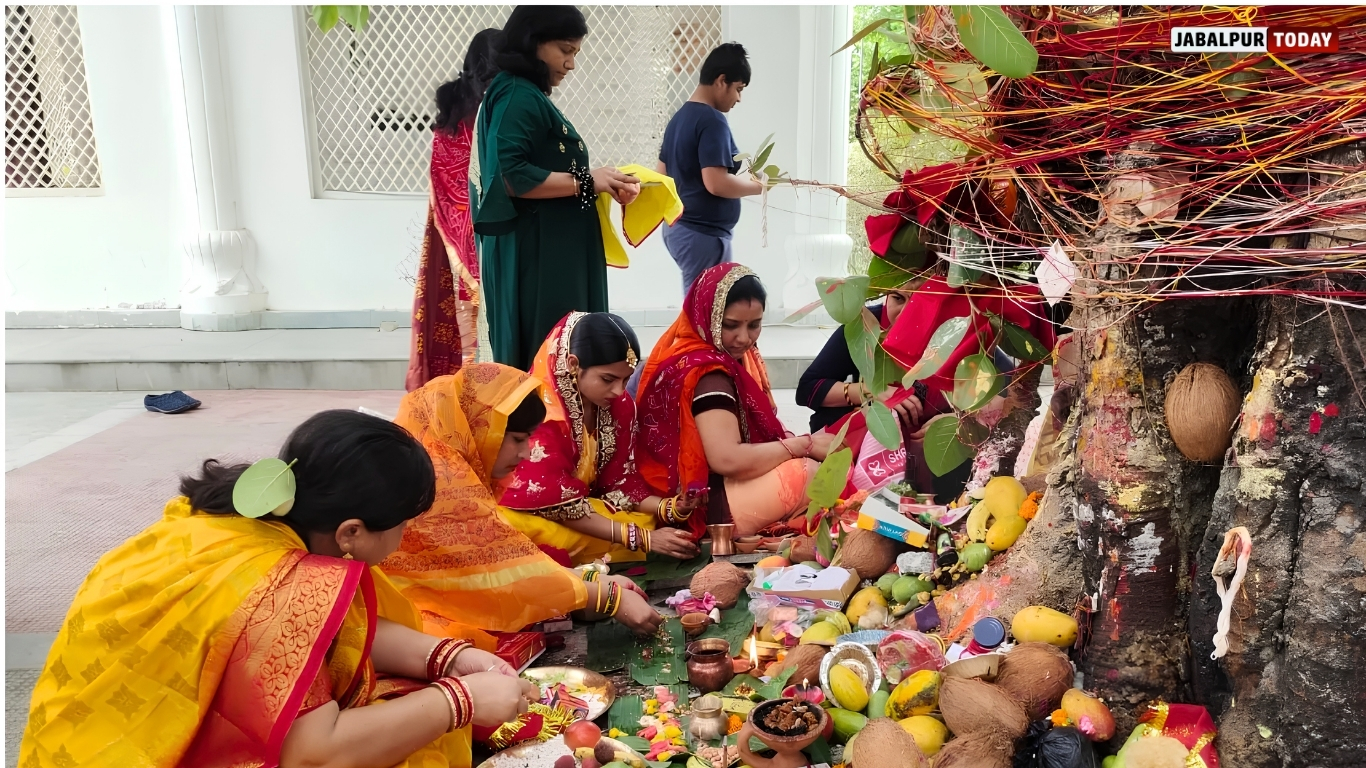
New Delhi: As the full moon of Jyeshtha lights up the sky on June 29, 2026, millions of married Hindu women across India and around the world are celebrating Vat Purnima Vrat, also known as Vat Savitri Purnima. Wearing colorful sarees, sindoor, bangles, and other traditional ornaments, they will gather around banyan trees—or symbolic representations of them—to tie sacred threads around the trunks while observing a strict fast. This festival is much more than a religious ritual. It celebrates deep love, unwavering devotion, the strength of marriage, and the close relationship between human life and nature.
Many people know the date and basic rituals of the festival. However, Vat Purnima has a much deeper meaning. It carries a rich mythology, detailed traditions, scientific significance, and a powerful message that still inspires modern relationships. Understanding these aspects helps us appreciate why this ancient festival remains meaningful today.
The Date and Astronomical Significance in 2026
Vat Purnima 2026 falls on Monday, June 29. The Purnima Tithi begins at approximately 3:06 AM on June 29 and ends at around 5:26 AM on June 30 (IST). Devotees should check their local Panchang because timings may vary slightly by location.
In states that follow the Purnimanta calendar, such as Maharashtra and Gujarat, devotees observe the festival on Jyeshtha Purnima. In some other regions, people observe the related Vat Savitri Vrat on Jyeshtha Amavasya (May 16, 2026) because of Adhik Maas (leap month) adjustments. Traditionally, the observance begins on Trayodashi and continues for three days, although many devotees complete the vrat in a single day.
The Eternal Story of Savitri and Satyavan
The story of Savitri and Satyavan, described in the Mahabharata and later expanded in the Brahma Vaivarta Purana and Skanda Purana, forms the heart of Vat Purnima Vrat.
King Ashvapati had no children, so he performed intense penance and prayed to Goddess Savitri. Pleased with his devotion, the goddess blessed him with a daughter, whom he named Savitri.
As Savitri grew up, she became known for her beauty, wisdom, and virtue. When the time came for her marriage, she chose Satyavan, the son of the exiled and blind King Dyumatsena. However, Sage Narada warned her that Satyavan would die exactly one year after their marriage.
Even after hearing this prediction, Savitri refused to change her decision. She firmly declared that a woman chooses her husband only once. She married Satyavan and served him and her in-laws with complete devotion.
Knowing the day of Satyavan’s predicted death, Savitri observed a strict fast for three days before that day. On the destined day, while Satyavan was cutting wood in the forest, he suddenly collapsed. Savitri placed his head on her lap under a banyan tree. Soon, Yama, the god of death, arrived to take Satyavan’s soul.
Savitri followed Yama and spoke to him with wisdom, humility, and determination. Impressed by her devotion, Yama granted her several boons, except Satyavan’s life at first. He restored her father-in-law’s eyesight and kingdom and promised her father and herself one hundred sons.
Savitri then wisely pointed out that she could not have children without her husband. Realizing her intelligence and unwavering devotion, Yama returned Satyavan’s life. Satyavan came back to life, his family regained their kingdom, and the couple lived happily and prosperously.
This story represents pativrata dharma, intelligence, courage, and the victory of love and righteousness over destiny.
Rituals: Complete Guide to Vat Purnima Vrat
Women begin the day by taking a holy bath, often using sesame seeds and amla paste for purification. They wear the Solah Shringar (16 traditional adornments) that symbolize a married woman’s happiness and prosperity. Many women observe a nirjala fast without food or water, while others follow a lighter fast by consuming banyan roots or water, depending on tradition and health.
Puja Vidhi
• Worship the banyan tree or idols and pictures of Savitri, Satyavan, and Yama, considering the banyan tree a symbol of the Trimurti.
• Offer water to the roots of the banyan tree.
• Tie a sacred moli thread around the trunk 7 or 108 times.
• Apply sindoor, offer flowers, incense, and light a diya.
• Offer fruits such as bananas, mangoes, and jackfruit, along with coconut, soaked pulses, rice, and sweets.
• Listen to the complete Vat Savitri Katha from a priest or an elder in the family.
• Perform the aarti and seek blessings from the husband and elders.
• Break the fast the next day by eating prasad and sharing food with family members and those in need.
Puja Samagri
The required items include sacred thread, fruits, coconut, vermilion (sindoor), sandalwood paste, rice, betel leaves, diya, ghee, idols, flowers, incense, sweets, and other traditional offerings.
In cities where banyan trees may not be easily available, many women perform the puja at home using pictures or idols or visit nearby temples. During the festival, people often greet each other by saying, “Janam Savitri Ho,” which means, “May you be like Savitri.”
Spiritual Importance and Benefits
Women observe Vat Purnima Vrat to pray for their husband’s long life, good health, and the happiness and prosperity of their family. The banyan tree symbolizes immortality because its aerial roots allow it to grow continuously for generations. For this reason, it also represents an everlasting marriage.
According to Hindu scriptures, the vrat blesses women with saubhagya (marital happiness and good fortune) across many lifetimes. The festival also celebrates the strength, wisdom, and devotion of women.
Ecological and Scientific Importance
Vat Purnima is not only a spiritual festival but also an important celebration of nature. The banyan tree (Ficus benghalensis) plays a vital role in the environment.
Its wide canopy provides shelter to birds, bats, insects, and many other living creatures. Its strong roots prevent soil erosion and help stabilize the land. The tree continues to produce oxygen for long periods and also holds an important place in Ayurveda. Traditional medicine uses its bark to stop bleeding, while its fruits provide several health benefits.
By worshipping and protecting the banyan tree, people also promote environmental conservation. Symbolically, Savitri represents the life-giving force of nature, while Satyavan represents the Earth. His return to life reflects nature’s renewal and the changing seasons.
At a time when climate change and environmental conservation have become global concerns, Vat Purnima reminds us that human life depends on protecting nature and preserving these long-living “immortal” trees.
Modern Meaning of Vat Purnima in 2026
Today, people observe the festival according to their personal situations. Working women and pregnant women often modify the fast according to their health while maintaining the spirit of devotion.
The festival also encourages husbands to actively participate by helping with household work, appreciating their wives’ efforts, giving thoughtful gifts, and expressing love and respect. In this way, Vat Purnima has become a celebration of mutual understanding and partnership instead of a one-sided sacrifice.
The festival encourages resilience, mindfulness, emotional strength, and cultural continuity while promoting mutual respect in married life.
All married women can observe Vat Purnima Vrat. Many devotees also believe that donating food, clothes, or money to people in need increases the spiritual benefits of the vrat.
Devotees should maintain a pure mind, avoid negative thoughts, and perform the rituals with sincerity. They should also consult their local Panchang and family elders to follow regional traditions correctly.
