
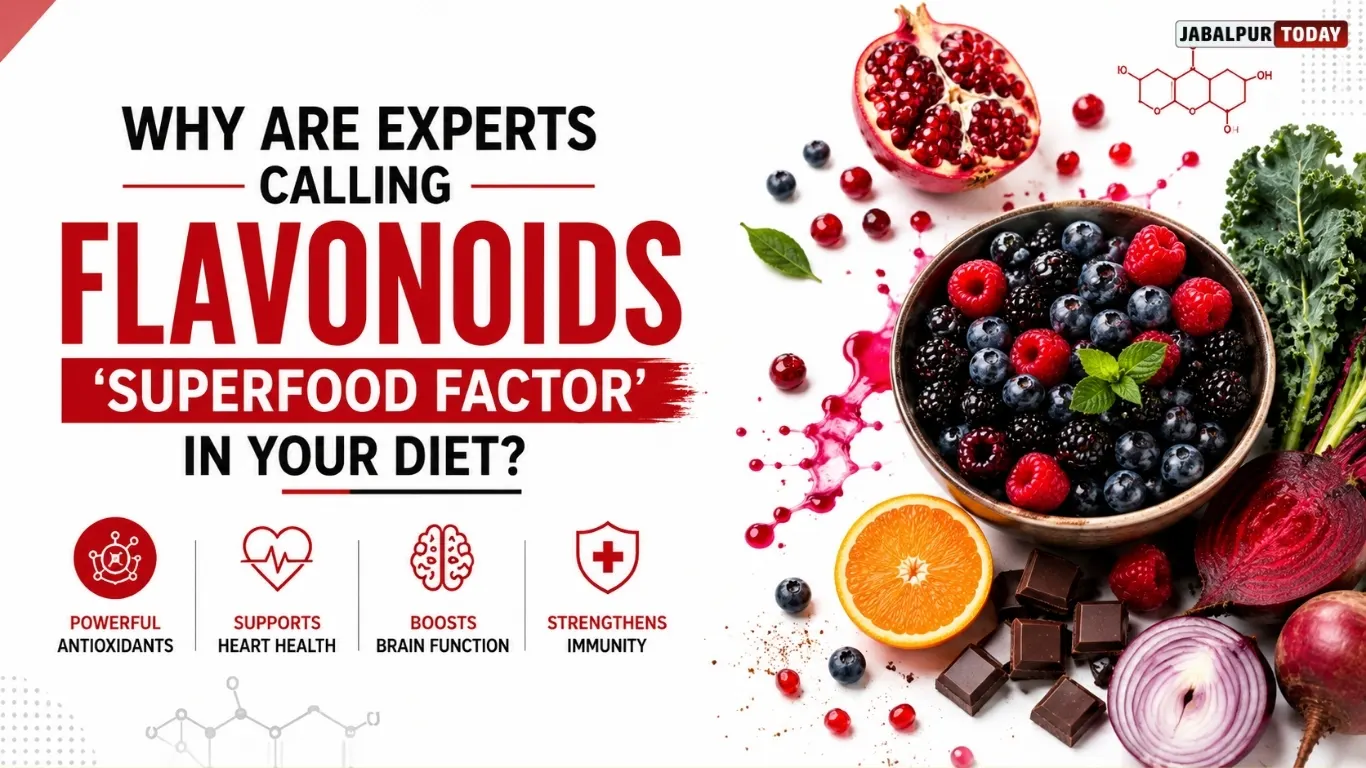
New research suggests that flavonoids—natural compounds found in plant-based foods—may play a crucial role in improving heart health. Here’s what you need to know about their benefits and where to find them
New Delhi: A balanced diet has long been considered essential for good health. In recent years, however, scientific research has increasingly focused on a specific group of plant-based compounds known as flavonoids.
Found in fruits, vegetables, tea, cocoa, and a variety of other plant-derived foods, flavonoids have been linked to multiple health benefits—particularly when it comes to cardiovascular health.
According to recent studies, flavonoids are more than just another nutrient. They help reduce inflammation, strengthen blood vessels, and may significantly lower the risk of heart disease.
What Are Flavonoids?
Flavonoids are natural chemicals found in plants that give them their color, flavor, and protective properties. Scientists have identified more than 6,000 types of flavonoids, which are grouped into several subclasses.
Once consumed, these compounds:
- Act as powerful antioxidants
- Reduce inflammation
- Help maintain the flexibility of blood vessels
- Support both heart and brain health
According to the American Heart Association, flavonoids may help reduce the risk of heart disease, stroke, and other chronic conditions.
How Flavonoids Support Heart Health
Scientific research indicates that flavonoids improve the functioning of blood vessels. They influence the production of nitric oxide in the body, which helps blood vessels relax and promotes smooth blood flow—ultimately aiding in blood pressure regulation.
Studies also suggest that a flavonoid-rich diet may lower the risk of heart attacks and strokes.
Additionally, these compounds may:
- Reduce the impact of LDL (bad cholesterol)
- Slow down plaque buildup in arteries
- Help control inflammation linked to heart disease
Can Flavonoids Slow Ageing?
Emerging research suggests that flavonoids may do more than protect the heart—they could also influence the ageing process.
Some studies have found that individuals who regularly consume flavonoid-rich foods have a lower risk of cardiovascular issues, indicating potential long-term protective effects against age-related diseases.
Key Health Benefits of Flavonoids
- Improved Heart Health
Flavonoids help maintain healthy blood vessels and regulate blood pressure, reducing the risk of heart attacks and strokes.
- Powerful Antioxidant Effects
They neutralize harmful free radicals that damage cells and accelerate ageing.
- Reduced Inflammation
Chronic inflammation is linked to several diseases. Flavonoids help lower inflammation levels in the body.
- Better Brain Function
Research suggests flavonoids may improve blood flow to the brain, supporting memory and cognitive performance.
- Potential Cancer Risk Reduction
While more research is needed, some studies indicate flavonoids may help reduce the risk of certain cancers by preventing cellular damage.
Top Foods Rich in Flavonoids
- Berries (Blueberries, Strawberries, Blackberries):
Berries are rich in anthocyanins, a type of flavonoid known for its antioxidant properties. They help improve blood circulation, reduce inflammation, and support brain health.
2. Apples (With Skin):
Apples are a convenient and effective source of flavonoids. The compounds in apple skin support heart health and may help lower cholesterol. Their fiber content also aids digestion and provides sustained energy.
3. Tea (Green and Black):
Both green and black tea contain high levels of flavonoids. Regular consumption may improve blood vessel function, regulate blood pressure, and support metabolism.
4. Dark Chocolate (70%+ Cocoa):
Dark chocolate contains flavonoids that improve blood flow and maintain artery flexibility. It may also help reduce stress and boost mood—but should be consumed in moderation due to its calorie and fat content.
5. Grapes and Citrus Fruits:
Grapes, oranges, and lemons are rich in flavonoids that help reduce inflammation, strengthen the immune system, and protect cells from damage.
6.Green Leafy Vegetables:
Spinach, kale, and other leafy greens provide flavonoids along with essential nutrients. They support detoxification and benefit both heart and brain health.
Are Supplements Enough?
Experts agree that the best way to consume flavonoids is through natural foods. While supplements are available, they cannot fully replace the fiber, vitamins, and other nutrients found in whole foods.
Doctors recommend eating a diverse, colorful diet rich in fruits and vegetables while limiting processed foods.
Importantly, flavonoids are not a “magic pill.” Instead, they are a valuable component of a balanced diet. Rather than relying on a single “superfood,” experts advise adopting a varied and well-rounded eating pattern for long-term health.
