
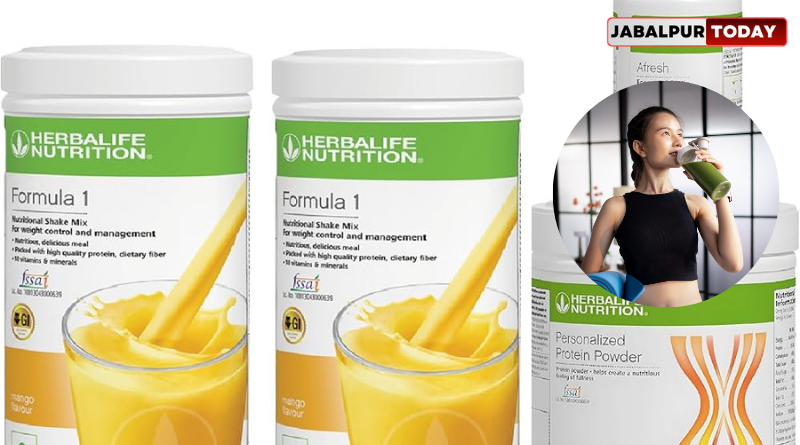
With endorsements from celebrity athletes like Ronaldo and Indian Olympians, Herbalife is currently an increasingly popular option in urban parts of India. However, health advisers note that people may opt for celebrity endorsed shakes when more suitable evidence-based options exist.
New Delhi: The weight-loss products of Herbalife Nutrition, from shakes to energy teas, have recently captivated attention in India due to a unique mix of celebrity endorsements, heavy marketing efforts, and growing fascination with fitness. But beneath the glamor of branding exists a polarizing conversation: do they actually work, and more importantly, are they safe for Indian users?
What’s available
Herbalife markets its Formula 1 Nutritional Shake Mix, Afresh Energy Tea, and Total Control tablets as meal replacements and metabolic enhancers. Marketed as “science-backed” and FSSAI-compliant, the products are pitched as ideal for weight management. In India, these supplements are sold via a direct-selling model, supported by wellness counselling from Herbalife distributors.
Many users report short-term success, such as shedding 3–5 kg in a month. However, experts note that the weight often returns once users stop the regimen. “These are highly processed products,” says a Bengaluru-based dietitian. “Long-term reliance can backfire, leading to dependency and digestive issues.”
Consumer experiences are mixed
Across social media and forums, testimonials vary. A Kochi user said they lost 6 kg in three months, but later regained that weight, plus another 12 kg. Many people mention gastrointestinal side effects or nausea, or refer to feeling “addicted” to the shakes.
Concerns and controversies regarding safety
Herbalife has been implicated in many legal and medical controversies globally:
• In 2016 the US Federal Trade Commission imposed a $200 million fine on Herbalife for unsubstantiated claims of health benefits and income generation.
• A 2020 U.S. settlement of $122 million followed bribery allegations in China.
• In India, a 2018 case linked Herbalife to liver failure, with traces of heavy metals found though the paper was later withdrawn after legal pressure.
Health agencies in countries like Belgium, Korea, and Portugal have also raised concerns about Herbalife’s safety standards and marketing ethics.
Celebrity endorsements drive popularity
Despite the issue of credibility, endorsements have been important to Herbalife’s brand. High-profile endorsements from Ronaldo to Olympians from India – like Mary Kom and Saina Nehwal – are valuable to Herbalife. That kind of endorsement is significant in brand and image-centric urban India, where quick fixes are appealing to an expanding middle class.
The bottom line
While Herbalife may provided a short-term option to lose weight, experts warn that it’s not the safest option. A basis in balanced nutrition, exercise and medically approved recommendations are still the safest way forward, not celebrity endorsed supplements.
