
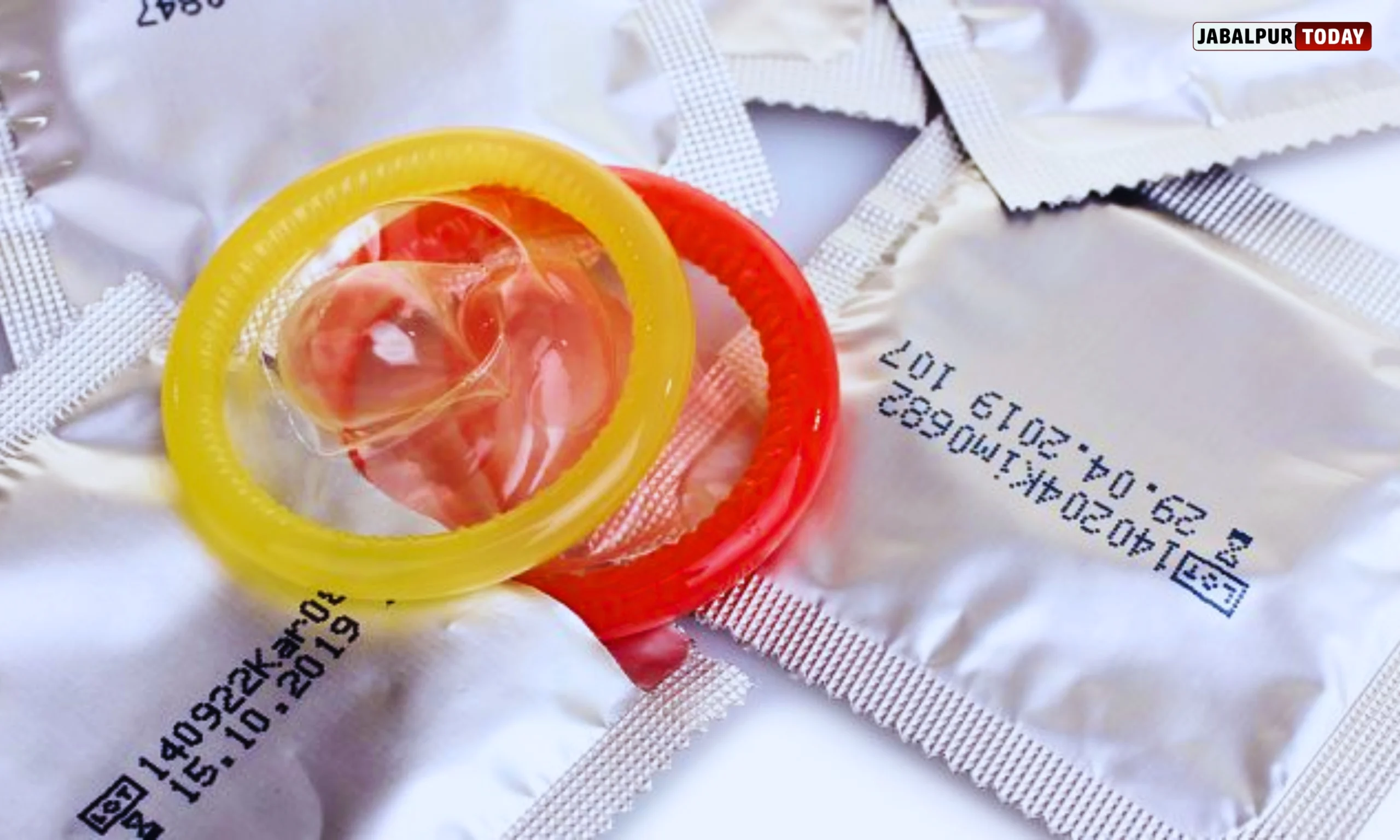
Is India redefining romance this Valentine’s Day 2026? Swiggy Instamart reports 3x growth in sexual wellness products, 568% surge in teddy bears, 500% spike in heart-shaped chocolate searches, and premium hampers worth ₹25,000—signaling a bold shift beyond traditional flowers.
New Delhi: Valentine’s Week 2026 (February 7–14) showed a big change in how India celebrates love. According to post-Valentine’s data shared by Swiggy Instamart and order analysis by Unicommerce (based on over 15 million orders), sexual wellness products like condoms, lubricants, and intimacy enhancers grew three times compared to last year.
For the first time in recorded trends, these products sold more than traditional flowers.
At the same time, quick commerce orders across India increased by 48% year-on-year. With fast and private deliveries, more people felt comfortable ordering personal products. India’s Valentine’s market, now valued between ₹32,000 crore and ₹60,000 crore, clearly shows that people are focusing more on health, personalization, and inclusivity.
The Wellness Trend: Condoms Become More Popular Than Flowers
Swiggy Instamart’s report clearly shows how gifting habits are changing. Sexual wellness products saw a threefold increase compared to 2025.
A new trend called “condom bouquets” became popular. These are condom packs arranged like flower bouquets. They are fun, creative, and show that people are becoming more open about intimacy. This also proves that social taboos around such topics are reducing.
Other practical gifts were also more popular than regular flower bouquets. These included:
- Grooming kits
- Protein bar gift packs
- Snack combos like chocolates and chips
Important Data Highlights:
- Sexual Wellness Growth: 3 times higher than last year, supported by 10-minute private deliveries.
- Teddy Bears: Sales increased by 568%, mixing traditional romance with modern trends.
- Beauty and Personal Care:
- ₹15,093 spent on makeup in Cuttack.
- ₹10,845 spent on bath and body products in Surat.
- Chocolates: One customer in Kolkata spent ₹25,000 in a single order, making chocolates one of the top-selling categories along with perfumes.
Unicommerce’s report also confirmed that sexual wellness was one of the fastest-growing categories during this Valentine’s season.
Quick Commerce Leads with 48% Growth
Quick commerce platforms such as Swiggy Instamart, Blinkit, and Zepto saw a 48% increase in orders compared to last year.
This growth was much higher than:
- General e-commerce (17%)
- Direct-to-consumer websites (16%)
- Online marketplaces (14%)
Fast delivery and last-minute shopping played a big role in this growth. Popular categories included flowers, chocolates, perfumes, jewellery, and gift cards.
Meanwhile, Ferns N Petals reported 100% year-on-year growth through quick commerce channels. Flowers and cakes were still strong sellers, but personalized gifts (with names or funny messages) made up 15–20% of orders.
Their AI-based SMS and WhatsApp marketing campaigns generated ₹35 million in sales from 1.2 million customer interactions.
India’s Valentine’s Market: A ₹32,000–₹60,000 Crore Industry
India’s Valentine’s market reached ₹32,000 crore in 2026, compared to ₹28,500 crore in 2025. In 2021, the market was ₹15,000 crore, which means it has doubled in five years. Some estimates say the total size could be as high as ₹60,000 crore, growing at 20–25% every year.
Flowers contribute around ₹500–₹3,500 crore, but quick commerce is slowly reducing traditional retail’s share.
Before Valentine’s Day, e-commerce platforms saw a 60% rise in orders. Tier 2 and Tier 3 cities played a major role in this expansion.
Spending Distribution in 2026:
- Online shopping: 40–50%
- Offline retail stores: 30%
- Experiences (dining, travel): 10–15%
- Premium gifting (jewellery, luxury chocolates): 10%
- Local vendors (florists): 5–10%
Regional Trends: Big Cities Experiment, Smaller Cities Catch Up
Metro cities led the trend. Bengaluru had the highest Valentine’s card orders, followed by Delhi, Mumbai, Hyderabad, and Chennai.
Metro cities preferred wellness products and snack gifts, while smaller cities mostly chose roses.
Unicommerce data shows balanced growth:
- Tier 1 cities: 19%
- Tier 2 cities: 14%
- Tier 3 cities: 18%
This shows that quick commerce is making products accessible across India.
Another interesting trend: About half of the February 14 orders were not for romantic partners but for friends, family members, or even self-gifting. This shows growing inclusivity in celebrations.
Comparison with 2025 Trends
In 2025, a user in Chennai spent ₹1.06 lakh on 228 condom orders, and September saw a 24% spike in similar purchases.
In 2026, this trend became even stronger:
- Chocolate demand doubled.
- Quick commerce growth increased from 30% (last year) to 48%.
- Earlier data from 2024 already showed a fourfold rise in condom sales on Blinkit, indicating that this shift was coming.
Cultural Change: Open Conversations and Self-Love
Gen Z has played a big role in these changes. Around 15–20% of gifts were personalized. There is also a stronger focus on self-love, health awareness, and safe intimacy.
Topics related to intimacy are now discussed more openly. Valentine’s Day is no longer limited to couples. People are celebrating friendships, family bonds, and even self-care.
Quick commerce has helped by offering privacy and fast delivery, especially in conservative areas.
The 2026 data suggests that wellness products and quick commerce platforms will continue to grow. By 2027, companies may expand into more cities and use more AI-based marketing strategies.
Also Read on jabalpur today: Irregular Periods but Not Pregnant? Know the Causes, Symptoms & Warning Signs of Perimenopause

Mansi Sharma is a journalist covering Global Affairs, and wellness, known for turning complex ideas into sharp, engaging narratives. Her work is driven by curiosity, depth, and a constant urge to question and explore. When she’s not writing, you’ll often find her diving into new ideas—preferably with a cup of coffee in hand, one sip at a time.