
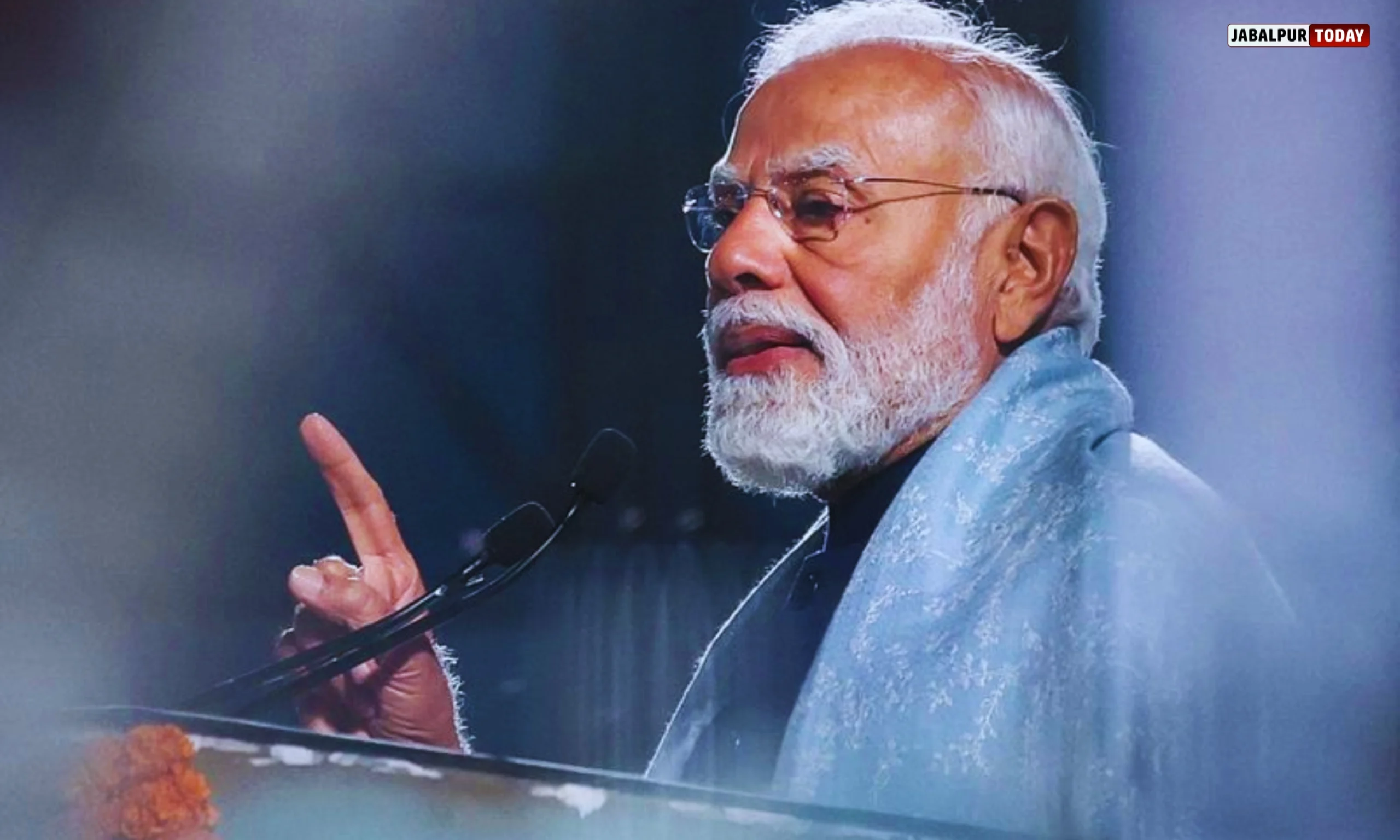
India AI Impact Summit 2026 opens in New Delhi as PM Narendra Modi positions India as a global leader in responsible, inclusive AI. With 300+ exhibitors and top world leaders and tech CEOs attending, the summit focuses on real-world AI solutions, Global South priorities, and equitable digital growth.
New Delhi: In an important moment for global technology governance, Prime Minister Narendra Modi on Monday inaugurated the India AI Impact Expo 2026 at Bharat Mandapam. This marked the beginning of the India AI Impact Summit 2026 — the first major international AI event to be hosted in the Global South.
The five-day summit (February 16–20) has brought together more than 300 exhibitors from over 30 countries, more than 20 heads of state, and leading technology figures such as Sam Altman and Sundar Pichai. The event shows a clear shift from only discussing AI to focusing on real, people-centred action.
PM Modi Highlights India’s Role in AI Transformation
Before inaugurating the summit, PM Modi said that India stands at the front of the AI revolution because of its 1.4 billion people. He said India’s digital public infrastructure, strong startup ecosystem, and advanced research show both ambition and responsibility in AI development.
In a post on X, he welcomed world leaders, industry heads, innovators, policymakers, researchers, and technology enthusiasts to New Delhi for the summit.
The summit was first announced by PM Modi at the AI Action Summit in France last year. It builds on earlier global AI meetings held at Bletchley Park in the UK, as well as in Seoul and Paris.
The event follows the Indian principle of Sarvajana Hitaya, Sarvajana Sukhaya — welfare and happiness for all. It is based on three main themes:
- People – Human-centred and inclusive AI
- Planet – Sustainable and environmentally friendly innovation
- Progress – Fair growth and shared prosperity
Discussions at the summit cover seven key focus areas, including skill development, social inclusion, safe AI systems, strong digital infrastructure, scientific cooperation, shared resources, and AI for economic and social good.
India’s Growing AI Strength
The summit highlights India’s progress under the IndiaAI Mission, a Rs 10,372 crore programme that has already achieved major results:
- More than 38,000 GPUs added to provide shared national computing access
- 12 homegrown foundation AI models under development
- Over 30 India-specific AI applications approved for use in governance, healthcare, agriculture, and education
In an interview with PTI, PM Modi invited global data companies to invest in India. He said India is expanding computing power and data centre capacity to build a strong AI ecosystem. He also described data centres as a major source of jobs for young people and linked them to Budget incentives aimed at making India a global hub for digital infrastructure.
The India AI Impact Expo covers 70,000 square metres and includes more than 10 themed pavilions. It presents “AI in action” through real-life examples such as:
- Precision farming tools for agriculture
- AI-based healthcare diagnostics
- Multilingual education platforms
- Climate-friendly energy systems
More than 850 exhibitors are participating, including Indian startups and global companies. Case studies show how AI is helping in agriculture, health, energy, gender empowerment, education, and accessibility.
Global Leaders and Tech CEOs Unite in Delhi
The summit has attracted leaders from across the world.
Heads of State:
French President Emmanuel Macron, Brazilian President Luiz Inácio Lula da Silva, and leaders from Asia, Africa, Latin America, and the Middle East — representing more than 45 countries.
Technology Leaders:
Jensen Huang (NVIDIA), Dario Amodei (Anthropic), Demis Hassabis (Google DeepMind), Bill Gates, Mukesh Ambani, Nandan Nilekani, along with 35–40 global CEOs.
International Institutions:
UN Secretary-General António Guterres and senior officials from the US, Europe, and other regions.
PM Modi is scheduled to speak at the main plenary session on February 19 and will also take part in bilateral meetings and a CEO roundtable discussion.
The summit agenda includes important global issues such as:
- Jobs and workforce changes in the AI era
- Online child safety
- Ethical AI governance
- National AI systems (sovereign AI stacks)
- Reducing the AI gap between developed and developing countries
Working groups will prepare practical proposals, including shared computing systems, AI resources for public benefit, and global rules that reflect the needs of the Global South, including multilingual and diverse AI models.
Moving from Discussion to Action
Unlike earlier AI summits that mainly focused on safety and broad principles, this summit is centred on measurable results.
Key initiatives include:
- AI For All – Promoting inclusive AI solutions
- AI By Her – Supporting women-led AI innovations
- YUVAi – Encouraging youth innovation (ages 13–21)
These programmes invite ready-to-use projects that solve real-world problems. A research symposium and international poster exhibition also highlight voices from the Global South.
According to Additional Secretary MeitY and IndiaAI CEO Abhishek Singh, the goal is to create a clear action plan for India’s AI future, based on citizen participation (Jan Bhagidari) and affordable computing at less than one dollar per hour.
A Defining Moment for India’s Future
For a country of 1.4 billion people with a median age of 28, this summit is not just about diplomacy. It is a roadmap for Viksit Bharat 2047 — a developed India where AI supports human potential, creates millions of jobs, and ensures technology reaches the last mile.
As PM Modi said, the summit’s outcomes will help shape a future that is progressive, innovative, and full of opportunity. The world is watching New Delhi. By hosting this summit, India is not just participating in the global AI conversation — it is helping define what responsible and inclusive technology leadership should look like.
