
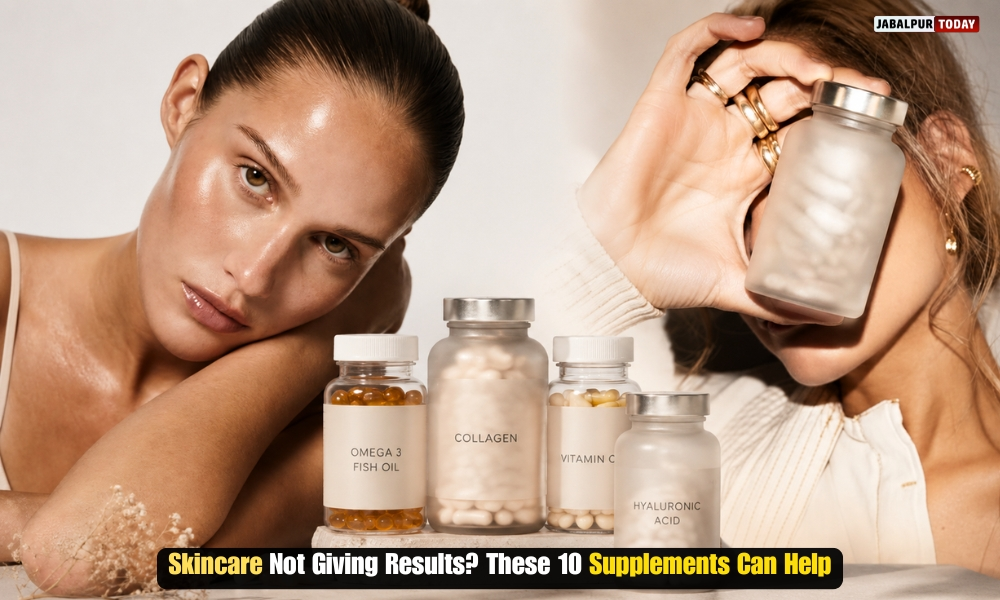
Explore these 10 science-backed supplements that improve collagen, hydration, and overall skin health from within
New Delhi: Who doesn’t dream of smooth, glowing, youthful skin? In a world where people invest heavily in creams, serums, facials, and procedures, true skin transformation often starts from within. Supplements backed by clinical evidence can support collagen production, boost hydration, fight oxidative stress, reduce inflammation, and improve elasticity and texture. While no pill replaces a healthy diet, sunscreen, sleep, or skincare routine, certain ones have solid research showing measurable improvements in skin quality.
This article covers the top evidence-based supplements for better skin quality and texture. It draws from randomized controlled trials (RCTs), meta-analyses, and reviews. Results vary by individual factors like age, diet, lifestyle, and consistency. Always consult a healthcare professional before starting, especially if pregnant, nursing, or on medications.
Collagen Peptides (Hydrolyzed Collagen)
• What it does: Collagen is the scaffolding of your skin — it keeps it firm, plump, and elastic. After your mid-20s, collagen production naturally declines, leading to wrinkles and sagging. Supplementing with hydrolyzed collagen peptides replenishes this from the inside out.
• Who should take it: Anyone 25+ looking to reduce fine lines, improve elasticity, or restore skin firmness. Especially beneficial for women post-menopause, who experience a dramatic drop in collagen levels.
• Best time to take: Morning on an empty stomach for optimal absorption. Can also be mixed into coffee or smoothies.
• Dosage: 5–10 grams per day of hydrolyzed Type I & III collagen peptides.
• Results timeline: Clinical studies show measurable improvements in skin hydration within 4–8 weeks, with elasticity and wrinkle depth reduction most visible between 8–12 weeks. A 2024 study published in Dermatology and Therapy found that after 3 months, 100% of subjects demonstrated significant improvements in skin texture, tone evenness, and radiance.
Vitamin C (Ascorbic Acid)
• What it does: Vitamin C is the most powerful antioxidant found naturally in the skin. It neutralizes free radicals, stimulates collagen synthesis, fades hyperpigmentation, and brightens overall skin tone. It’s the backbone of nearly every anti-aging protocol recommended by dermatologists.
• Who should take it: Anyone dealing with dull skin, dark spots, uneven tone, or early signs of aging. Also ideal for those with high sun exposure.
• Best time to take: Morning with breakfast (it’s water-soluble and pairs well with collagen supplements).
• Dosage: 500–1000 mg per day. Liposomal vitamin C offers superior absorption.
• Results timeline: Most people notice a visible glow boost within 3–7 days. Peak results for dark spot reduction, fine line softening, and texture improvement appear between 8–12 weeks of consistent daily use.
Hyaluronic Acid (Oral)
• What it does: Hyaluronic acid (HA) is a naturally occurring molecule in the body that holds water — one gram can hold up to 6 liters of moisture. Oral HA supplements have been shown in clinical trials to significantly improve skin hydration, plumpness, and the appearance of fine lines. A 2024 randomized controlled trial confirmed notable enhancements in dermis density and skin texture after 16 weeks of supplementation.
• Who should take it: Ideal for people with dry or dehydrated skin, those in dry climates, and anyone with mature skin showing loss of plumpness.
• Best time to take: Twice a day with meals.
• Dosage: 120–240 mg per day.
• Results timeline: Visible skin plumping and hydration improvements typically appear within 4–6 weeks, with more significant results at the 8–12 week mark.
Glutathione (L-Glutathione)
• What it does: Called the “master antioxidant,” glutathione is produced naturally in the body but depletes with age, stress, and sun exposure. It reduces melanin production, fades dark spots, evens skin tone, and protects against oxidative skin damage. Multiple clinical trials confirm its skin-brightening properties.
• Who should take it: Best suited for those dealing with hyperpigmentation, dull skin, dark spots, melasma, or uneven complexion. Also beneficial for anyone seeking an overall antioxidant boost.
• Best time to take: On an empty stomach — ideally at night or first thing in the morning. Pair with vitamin C for amplified results.
• Dosage: 250–1000 mg per day depending on goals. Liposomal or sublingual forms absorb best.
• Results timeline: At moderate doses (500–1000 mg/day), visible brightening can begin in 6–8 weeks. Low doses may take 3–6 months for noticeable results. Fairer skin tones tend to respond faster.
Omega-3 Fatty Acids (Fish Oil)
• What it does: Omega-3s are essential fats your body cannot produce on its own. They strengthen the skin’s lipid barrier, lock in moisture, reduce inflammation (a key driver of acne, redness, and premature aging), and even help with conditions like psoriasis and eczema.
• Who should take it: Anyone with dry, sensitive, or inflamed skin. Excellent for acne-prone skin and those with conditions like eczema or psoriasis. Also ideal for people who don’t eat fish regularly.
• Best time to take: With meals containing healthy fats for best absorption.
• Dosage: 1000–2000 mg of combined EPA + DHA per day.
• Results timeline: Anti-inflammatory effects on redness and acne can be felt within 4 weeks. Significant improvements in hydration and skin barrier function are typically visible at the 8–12 week mark.
Note: Consult a doctor if you’re on blood thinners, as fish oil can interact.
Astaxanthin
• What it does: Astaxanthin is a carotenoid antioxidant found in algae and salmon — and it may be the most powerful antioxidant on the planet. Its antioxidant capacity is up to 6,000 times stronger than vitamin C and 100 times more effective than vitamin E. It combats UV-induced damage, prevents wrinkle formation, and helps maintain skin moisture and texture even under environmental stress.
• Who should take it: Those with sun-damaged skin, outdoor workers, athletes, or anyone over 35 wanting serious anti-aging protection.
• Best time to take: With a fat-containing meal (it’s fat-soluble).
• Dosage: 6–12 mg per day.
• Results timeline: A randomized double-blind clinical study showed that astaxanthin supplementation prevented significant worsening of skin wrinkles and moisture within 8–16 weeks, where placebo groups deteriorated measurably.
Biotin (Vitamin B7)
• What it does: Biotin is essential for the metabolism of amino acids that produce keratin — the structural protein of your skin, hair, and nails. It supports the maintenance of the skin’s protective outer layer (the epidermis) and helps address flakiness, dryness, and fragile nails.
• Who should take it: Those with brittle nails, hair thinning, dry or flaky skin, or anyone with a biotin deficiency (common in people who eat a lot of raw egg whites or take certain medications).
• Best time to take: Morning with breakfast.
• Dosage: 2,500–5,000 mcg per day (note: most people already get some through diet).
• Results timeline: Nail strength improvements are often noticed within 3–4 weeks. Skin and hair changes typically take 8–12 weeks of consistent supplementation.
Resveratrol
• What it does: Found in red grape skins and berries, resveratrol is a polyphenol antioxidant that activates anti-aging pathways in the body. It boosts collagen synthesis, reduces inflammation, protects against UV oxidative damage, and strengthens the skin’s barrier function. Dermatologists describe it as “a shield against environmental stressors that age the skin.”
• Who should take it: Best for those 35+ dealing with fine lines, environmental damage, and loss of elasticity. Works beautifully when combined with vitamin C.
• Best time to take: Evening with dinner (it may support cellular repair processes during sleep).
• Dosage: 150–500 mg per day (trans-resveratrol is the bioactive form — check labels).
• Results timeline: Skin tone and texture improvements are typically reported after 4–8 weeks, with more significant anti-aging effects visible around the 3-month mark.
Vitamin E (Tocopherol)
• What it does: Vitamin E is a fat-soluble antioxidant that works synergistically with vitamin C to protect the skin from UV-induced damage and free radicals. Studies show that supplementation at 400 mg per day has been noted to reduce photodamage, wrinkles, and improve skin texture. It also accelerates skin healing and supports moisture retention.
• Who should take it: People with dry, sun-damaged, or maturing skin. Also great for anyone spending extended time outdoors.
• Best time to take: With a fat-containing meal (it’s fat-soluble and absorbs best with dietary fats).
• Dosage: 200–400 IU per day (natural d-alpha-tocopherol is more bioavailable than synthetic forms).
• Results timeline: Protective effects on sun damage begin within 2–4 weeks. Visible skin texture improvements are seen at the 6–12 week mark.
Probiotics (Skin-Focused Strains)
• What it does: The gut-skin axis is real and increasingly studied. An imbalanced gut microbiome is linked to acne, eczema, rosacea, and inflammation. Specific probiotic strains — including Lactobacillus acidophilus, Bifidobacterium longum, and Lactobacillus rhamnosus — have been clinically shown to reduce inflammatory skin conditions, improve the skin barrier, decrease acne severity, and even reduce skin sensitivity.
• Who should take it: Those with acne-prone, sensitive, or reactive skin. Excellent for anyone with gut issues that seem to show up on their face.
• Best time to take: Morning on an empty stomach (or as directed by the specific strain’s packaging).
• Dosage: Minimum 10–20 billion CFU daily from multi-strain formulations.
• Results timeline: Gut rebalancing begins within 2 weeks, but visible skin changes — reduced breakouts, less redness, improved texture — typically appear between 4–8 weeks.
Additional Tips for Best Results
• Stack smartly: Vitamin C + Collagen + Vitamin E work synergistically. Glutathione + Vitamin C is another powerful combination. Omega-3 + Probiotics is ideal for inflammatory skin conditions.
• Consistency is everything: Missing days breaks the compounding benefit. Set a daily alarm.
• Hydration multiplies results: All of these supplements work better when you’re drinking 2–3 liters of water daily.
• Sun protection is non-negotiable: Supplements protect against damage but cannot replace SPF. Use both.
Individual results depend on genetics, baseline skin health, and consistency. Supplements work best addressing deficiencies or as adjuncts.
Disclaimer: This article is for informational and educational purposes only and does not constitute medical advice. The information provided is based on publicly available scientific research and general wellness knowledge. Results from supplements vary significantly between individuals based on age, health status, lifestyle, genetics, and baseline nutrient levels. Always consult a qualified healthcare professional or dermatologist before starting any new supplement regimen, especially if you are pregnant, breastfeeding, have an existing medical condition, or are taking prescription medications. Some supplements can interact with medications or may not be appropriate for everyone. The product links mentioned in this article are provided for convenience only — the author does not endorse any specific brand, nor do the links constitute a paid promotion. Supplements mentioned have not been evaluated by the FDA to diagnose, treat, cure, or prevent any disease.

Mansi Sharma is a journalist covering Global Affairs, and wellness, known for turning complex ideas into sharp, engaging narratives. Her work is driven by curiosity, depth, and a constant urge to question and explore. When she’s not writing, you’ll often find her diving into new ideas—preferably with a cup of coffee in hand, one sip at a time.