
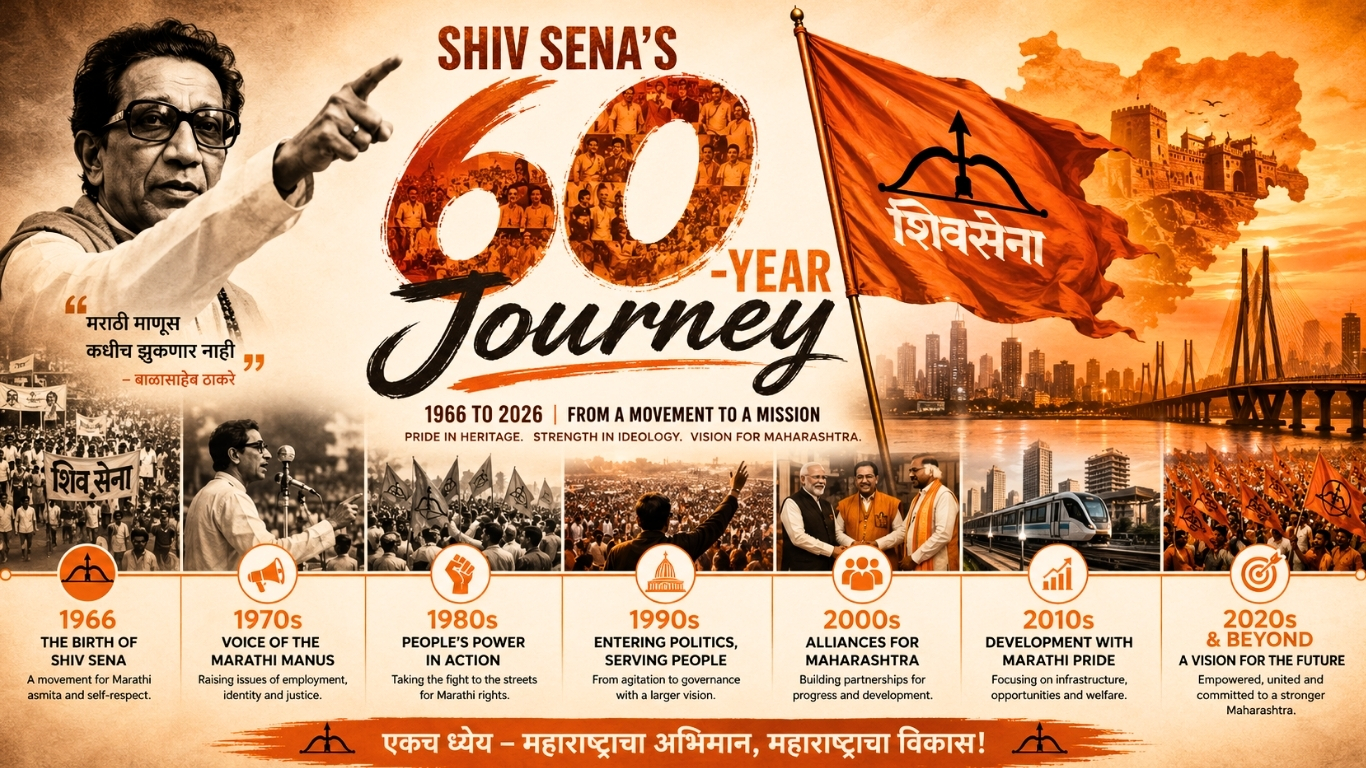
60 years of Shiv Sena: From Bal Thackeray’s Marathi identity movement to Hindutva politics, power struggles, alliances, and dramatic splits shaping Maharashtra
Mumbai: In Indian politics, people remember some parties for their electoral victories, others for their ideology, and a few for the movements they inspire. However, a rare set of political formations goes beyond these categories. These parties build their stories around identity, regional pride, rebellion, charismatic leadership, and constantly shifting alliances. Shiv Sena firmly belongs to this category.
As the party completes 60 years since its founding, its journey emerges as one of the most compelling narratives in Maharashtra’s political history. It reflects a meteoric rise, ideological transformation, intense controversies, and dramatic internal ruptures.
A Movement Born from Ink and Anger
Bal Thackeray founded Shiv Sena on June 19, 1966. At that time, people knew him more as a sharp-witted political cartoonist than a political leader. He decided to channel growing regional discontent into an organized movement.
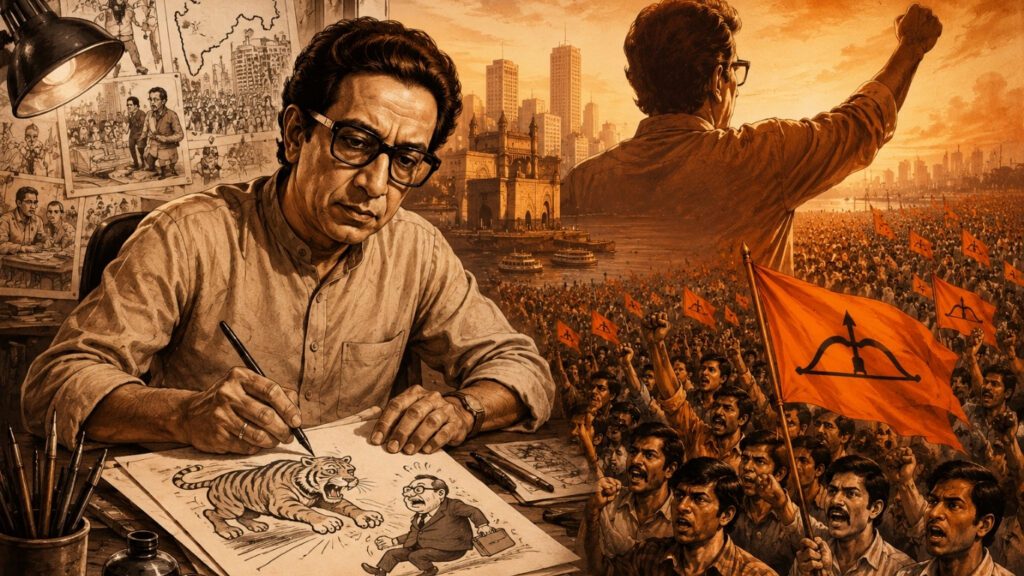
Through his satirical weekly Marmik, Thackeray consistently raised concerns about the marginalization of Marathi youth in Mumbai’s rapidly evolving job market. He argued that migrants from other states were capturing employment opportunities, leaving locals feeling alienated in their own city.
This sentiment resonated widely across the socio-economic landscape of 1960s Mumbai, and Shiv Sena emerged directly from that unrest.
The Power of a Name and an Identity
The party took its name from Chhatrapati Shivaji Maharaj, the founder of the Maratha Empire and a powerful symbol of regional pride in Maharashtra.
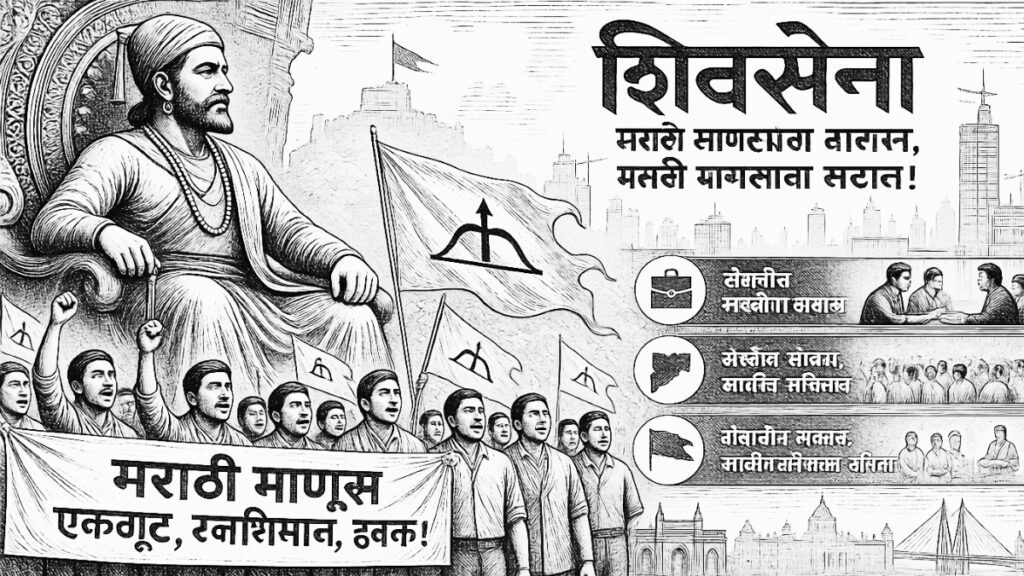
In its early years, Shiv Sena positioned itself as the protector of the “Marathi Manoos.” The party focused its politics on employment, local identity, and cultural assertion—issues that deeply connected with the urban working class.
From Street Power to Political Force
During the 1960s and 1970s, Mumbai grew into India’s industrial and commercial hub. Shiv Sena actively transformed local grievances into a structured political movement. Its aggressive street-style mobilization brought both attention and controversy.
People began to associate the term “Shiv Sainik” with a fiercely loyal cadre. At the same time, Bal Thackeray delivered fiery, direct, and often controversial speeches that attracted massive crowds and established him as a commanding orator.
Mumbai’s Civic Body: The Real Power Base
Shiv Sena built its real strength not through legislative politics but through control of the Brihanmumbai Municipal Corporation (BMC).
By the late 1980s and 1990s, the party had firmly established its dominance over the BMC. It turned the civic body into a stronghold that provided both financial resources and organizational strength. This control allowed Shiv Sena to emerge as the most influential political force in Mumbai’s local governance for decades.
The Shift to Hindutva
In the late 1980s, Shiv Sena made a decisive ideological shift. While it continued to emphasize regional identity, it also adopted Hindutva as a central political agenda.
This shift brought the party closer to the Bharatiya Janata Party (BJP). Together, they formed a powerful alliance that reshaped Maharashtra’s political landscape for decades.
Controversies that Defined an Era
Shiv Sena’s rise also brought several high-profile controversies.
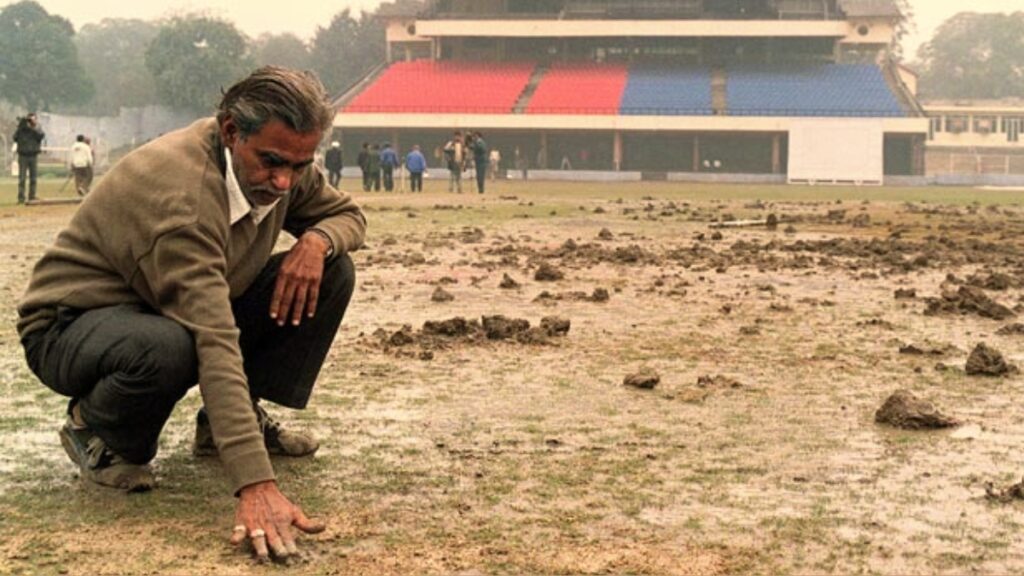
In 1991, party workers vandalized the pitch at Mumbai’s Wankhede Stadium to protest Pakistan’s cricket tour to India. Their actions forced authorities to cancel the match and triggered widespread national and international criticism. Critics accused the party of politicizing sports.
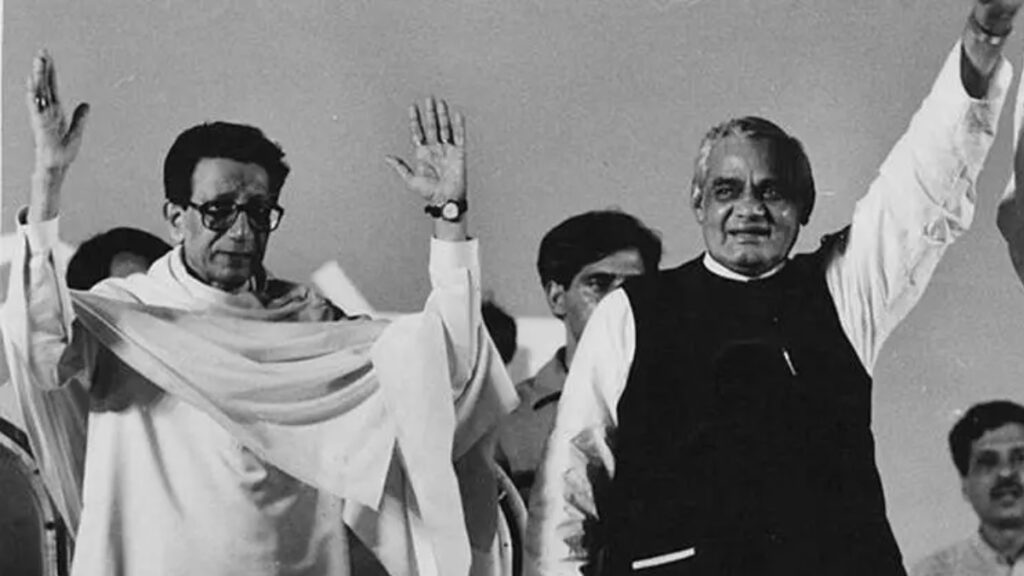
Another major controversy emerged during the 1992–93 Mumbai riots, which followed the Babri Masjid demolition. The Srikrishna Commission report raised questions about the role of some Shiv Sena leaders and workers during the violence. The party strongly rejected these allegations, but the issue continues to influence political debates even today.
1995: The Moment of Power
In 1995, Shiv Sena achieved a historic breakthrough. Its alliance with the BJP won the Maharashtra Assembly elections and formed the state’s first non-Congress government.
Manohar Joshi became Chief Minister, but Bal Thackeray remained the central authority behind the government. Despite never contesting an election, he exercised immense influence. His residence, Matoshree, became the nerve center of power, and many described him as a “remote control” leader.
The End of an Era and a New Leadership
On November 17, 2012, Bal Thackeray passed away. His death triggered massive public mourning, and millions participated in his funeral procession, making it one of the largest in Mumbai’s history.
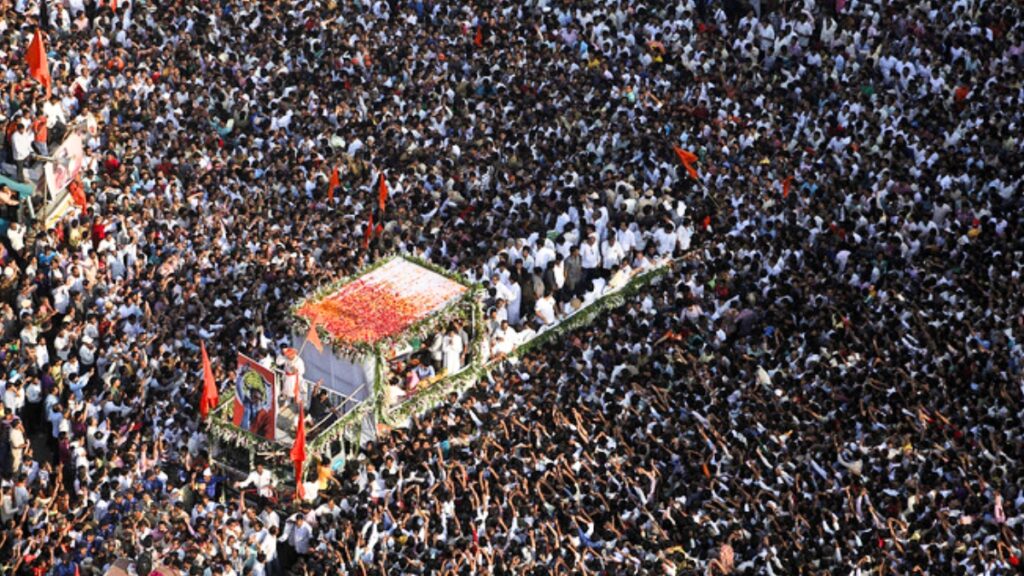
After his passing, Uddhav Thackeray assumed leadership of the party and led it into a new phase.
Changing Equations in a New Political Landscape
After 2014, the BJP rapidly strengthened its position in Maharashtra. This rise created tensions within the long-standing alliance with Shiv Sena. Although both parties continued to collaborate at times, competition between them steadily increased.
A major turning point came after the 2019 Assembly elections. Shiv Sena broke away from the BJP over a power-sharing dispute and formed a government with the Nationalist Congress Party (NCP) and the Indian National Congress.
This coalition, known as the Mahavikas Aghadi (MVA), brought Uddhav Thackeray to the Chief Minister’s post—an outcome few had anticipated.
The 2022 Split: A Defining Crisis
In 2022, Shiv Sena faced its most serious internal crisis. Eknath Shinde led a rebellion in which a large number of MLAs defected from the party. This rebellion toppled the Uddhav Thackeray government.
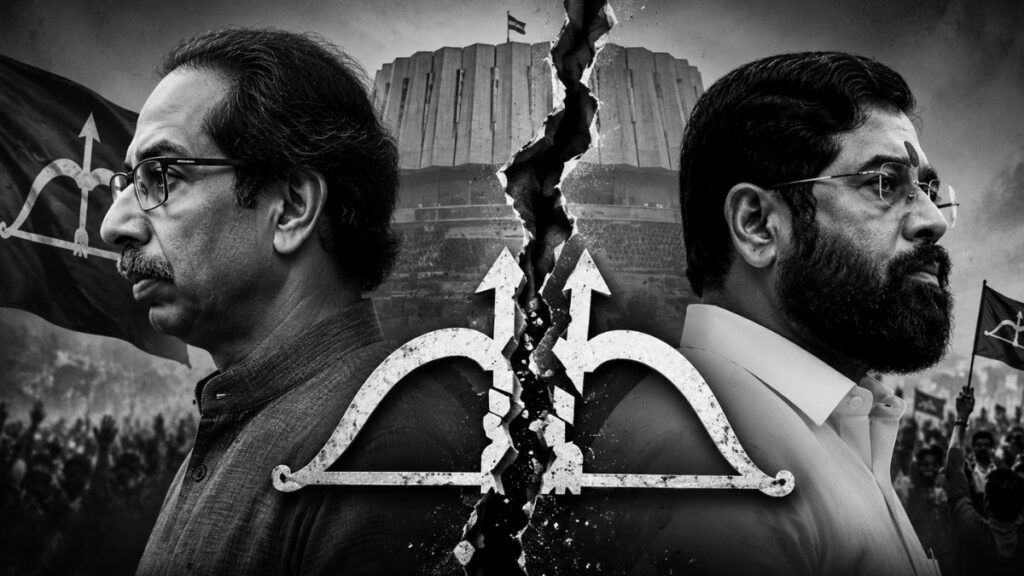
Later, the Election Commission recognized the Shinde faction as the official Shiv Sena and awarded it the party symbol. This episode became one of the most high-profile political splits in recent Indian history.
A Party Shaped by Rebellions
Rebellion has repeatedly shaped Shiv Sena’s journey. Leaders such as Chhagan Bhujbal, Narayan Rane, Raj Thackeray, and Eknath Shinde have all taken separate political paths at different times.
Each split has redefined the party’s structure, leadership, and ideological direction. As a result, many analysts describe Shiv Sena as a party “forged by rebellion and transformed by it.”
‘Operation Tiger’ and Continuing Uncertainty
Even as Shiv Sena marks its 60th anniversary, internal instability continues. Political circles actively discuss “Operation Tiger,” amid reports that several MPs from the Uddhav faction may break away and join the Shinde-led camp.
If this shift happens, it could significantly alter the balance of power in Parliament and deliver another major setback to the Thackeray faction.
A Legacy Beyond Elections
Shiv Sena has not built its legacy on electoral success alone. The party reshaped the language of politics in Maharashtra, brought regional identity into the mainstream, and later strengthened the influence of Hindutva politics.
Supporters view Shiv Sena as the true voice of Marathi pride, while critics question its aggressive methods and polarizing stance.
Yet, one fact remains clear: no account of Maharashtra’s political history over the past six decades can stand complete without Shiv Sena. Its story reflects power, identity, transformation, and the enduring complexities of Indian democracy.
Read More: What Happens When a Country Believes the Myths? Japan’s HPV Vaccine Story Should Worry Us All
