
Study Reveals Nucleocapsid Protein Triggers Immune Confusion, Causing Severe Symptoms and Long COVID; Common Blood Thinner May Help
Jerusalem: June 11, 2025
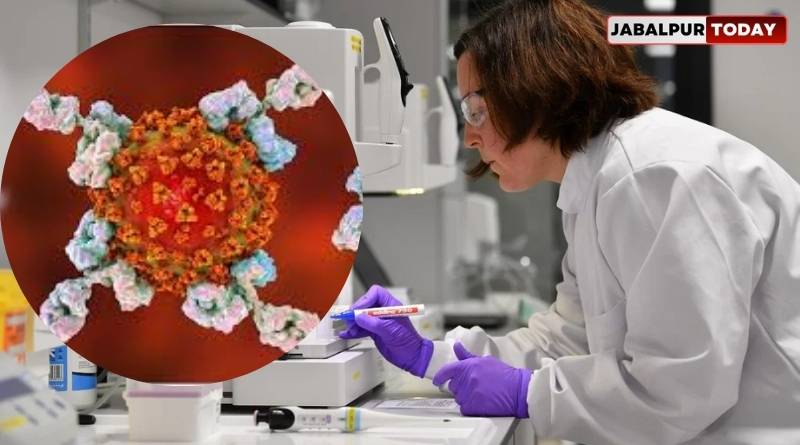
As the world grapples with a new wave of COVID-19 infections, Israeli researchers have made a startling discovery about the virus’s aggressive behaviour. A new study published in the journal Cell Reports reveals that a key component of the virus the nucleocapsid protein (NP) can directly or indirectly attack healthy cells, contributing to severe illness and the long COVID syndrome.
Researchers at Hebrew University of Jerusalem found that the NP protein is not confined to infected cells but also spreads to nearby healthy epithelial cells. After it attaches to the surface of these healthy cells, the immune system circumspectly interprets them as threats, making an antibody response against the body’s own properties.
Inadvertent Immune Response Is Inflammatory
The study identifies NP on healthy cells activates the classical complement pathway, a component of the immune system that can generate inflammation, tissue harm, and severe complications. This misdirected response essentially causes the immune system to attack the body’s own cells, worsening the infection and prolonging recovery.
Existing Drug May Block the Attack
The researchers also identified a potential line of defence: enoxaparin, a commonly used blood-thinning drug. Laboratory studies and biological samples from patients showed that a modified version of heparin, a medication known as enoxaparin can effectively prevent NP from binding to healthy cells and potentially stop the harmful immune responses.
New treatment paradigms
These findings highlight new potential reasons for both the severity of acute COVID-19 and complications in others. Scientists suggest that it may lead to new treatment paradigms not just for COVID-19 but for other viral disease, as they use similar immune response pathways.
NB 1.8.1 variant under surveillance
At the same time, was the NB 1.8.1 variant new strain of Omicron. First identified in January 2025, it is now spreading internationally in many nations including India, the U.S., U.K., Australia, China, Maldives and Egypt. The W.H.O. has classified it as a “variant under monitoring” but professionals believe we should maintain vigilance due to its increasing rates of transmission.
This research provides a fundamental insight about the perplexing immune challenges of COVID-19 and may shape treatment iterations for years to come.
Also Read: India Sees Spike in COVID-19 Cases With 6,800 New Cases; Kerala Leads Surge
