
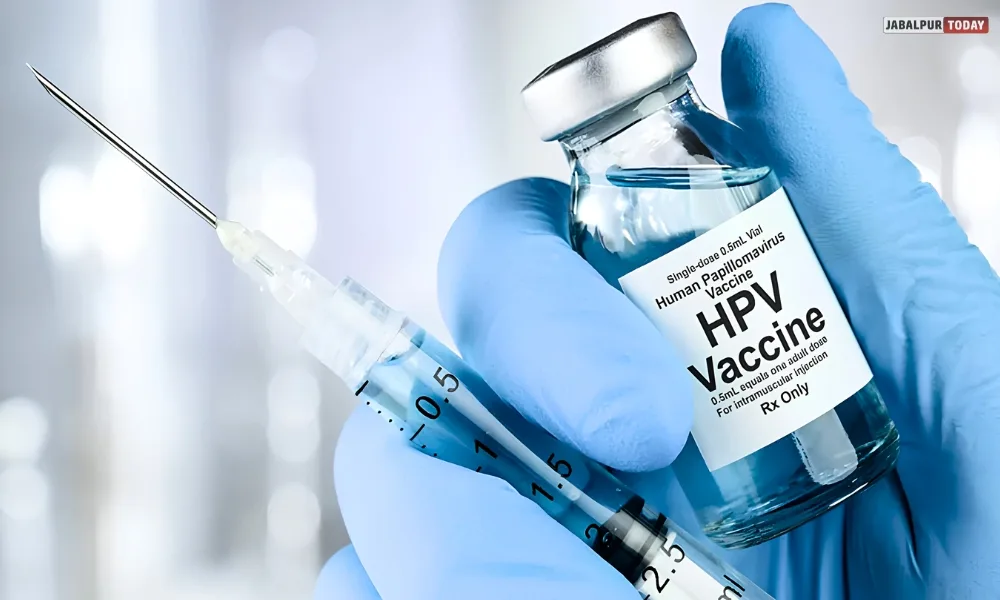
HPV vaccine can prevent most cervical cancers. Understand India’s new programme, who qualifies, side effects, and benefits for all ages
New Delhi: Every eight minutes, cervical cancer kills one Indian woman. This disease is not mysterious or incurable. Scientists have had a vaccine for it since 2006. However, people still do not receive it widely. India is now trying to close this gap between science and real access.
On February 28, 2026, Prime Minister Narendra Modi launched a nationwide free HPV vaccination programme in Ajmer, Rajasthan. The programme is massive. The government plans to vaccinate around 1.15 crore 14-year-old girls across all states and union territories. These girls will receive one free dose of Gardasil-4 at government health centres. With this move, India joined more than 160 countries that already include the HPV vaccine in their national immunisation programmes. India took a long time to reach this point.
What Is HPV — And Why Should You Care?
Human Papillomavirus (HPV) includes more than 200 related viruses. Over 30 of these spread through skin-to-skin contact. Both men and women can carry HPV, often without knowing it. In most cases, the body removes the virus naturally. However, in some cases, the infection stays, and that is when it becomes dangerous.
High-risk HPV types, especially types 16 and 18, cause more than 80% of cervical cancer cases in India. These viruses slowly change the cells in the cervix. If doctors do not detect these changes, they can turn into cancer over 10 to 15 years. HPV also causes cancers of the vulva, vagina, anus, penis, and throat. So, this is not only a women’s issue. It affects men too.
The numbers are serious. India sees nearly 80,000 new cervical cancer cases and over 42,000 deaths every year. About one-fifth of the world’s cervical cancer patients live in India. One in every four cervical cancer deaths worldwide happens in India. Cervical cancer is the second most common cancer among Indian women.
What Exactly Does the HPV Vaccine Protect Against?
India’s programme uses Gardasil-4. This vaccine protects against four HPV types. Types 16 and 18 cause cervical cancer. Types 6 and 11 cause most genital warts. India’s drug regulator, CDSCO, has approved this vaccine. It is also one of six WHO-approved HPV vaccines used globally.
Studies show that this vaccine prevents 93% to 100% of cervical cancer cases caused by the HPV types it targets. Since 2006, doctors have given more than 500 million doses worldwide. Health organisations like WHO, CDC, and CDSCO have studied the vaccine many times. They found no proof that it causes neurological problems, infertility, or autoimmune diseases.
India has also developed its own vaccine called Cervavac through the Serum Institute of India. This vaccine also protects against four HPV types. Studies show that it works as well as imported vaccines. It is now waiting for WHO approval.
Current vaccines, especially Gardasil 9 (a nonavalent vaccine), protect against 9 types of HPV. These include high-risk types like HPV-16 and HPV-18, which cause about 70% of cervical cancer cases. The vaccine also covers other types that cause additional cancers and genital warts.
The vaccine protects against:
• Cervical, vaginal, and vulvar cancers in females
• Anal and penile cancers
• Oropharyngeal cancers (cancers of the head and neck)
• Genital warts (it prevents about 90% of cases caused by the HPV types included in the vaccine)
Who Should Get It — And When
Doctors recommend the HPV vaccine most strongly for girls aged 9 to 14. At this age, the body produces a much stronger immune response. Two doses, given six months apart, provide more than 97% protection.
People aged 15 to 26 should also take the vaccine. They need three doses at 0, 2, and 6 months. The vaccine still offers strong protection, especially if the person has not been exposed to all the HPV types covered. Even if someone has had HPV before, the vaccine can still protect against other types.
People aged 27 to 45 can also take the vaccine, but they should consult a doctor first. The vaccine is approved up to age 45. However, the doctor will check factors like sexual history, number of partners, and immune health before recommending it. The benefit exists, but it is lower compared to younger age groups.
Boys and men can also take the vaccine. In India’s private sector, vaccines like Cervavac and Gardasil 9 are available for males. Vaccinating boys lowers their risk of cancers linked to HPV and also reduces the spread to partners.
Safety, Side Effects, and Addressing Common Concerns
Health agencies like the CDC and FDA, along with global researchers, have closely monitored the HPV vaccine. They have conducted more than 160 studies and analysed millions of doses. These studies confirm that the vaccine has a strong safety record.
People commonly experience mild side effects after taking the vaccine. These include pain, redness, or swelling at the injection site. Some people may also feel headache, fatigue, or mild fever. These side effects usually go away quickly on their own.
Serious side effects are very rare. In some VAERS data periods, reports show about 1.8 serious events per 100,000 doses. Large studies have found no confirmed link between the vaccine and infertility, autoimmune diseases, or any serious long-term health problems. Many myths have spread over time, but detailed reviews by organisations like Cochrane and VIP 2026 have clearly shown that these claims have no scientific basis.
Some people, especially adolescents, may faint after taking the vaccine. Doctors advise short observation after vaccination to manage this safely.
Merck has settled some legal cases related to the vaccine without accepting fault. However, overall scientific evidence continues to support the vaccine’s safety.
The Government Scheme: Who Qualifies, Where to Go, What to Carry
The National HPV Vaccination Programme started in February 2026. It offers the free vaccine to girls who are 14 years old. The government aims to vaccinate around 1.15 crore girls every year. It also included girls who turned 15 within 90 days of February 28 during the first campaign phase.
- You can get the vaccine at:
• Ayushman Arogya Mandirs
• Community Health Centres (CHCs)
• Sub-District and District Hospitals
• Government Medical Colleges and Hospitals
• Primary Health Centres (PHCs) with proper cold storage
The programme is voluntary. Parents or guardians must give consent before vaccination. During the first three months, centres offered daily vaccination. After that, they continued vaccination on regular immunisation days.
- How to register:
Parents can book appointments through the U-WIN platform using its website or app. The system sends reminders through SMS or app notifications. You need the child’s Aadhaar or any valid age proof.
- After vaccination:
You can download a digital certificate from U-WIN. You can also request a printed copy. Health workers mark the child’s left index finger during the campaign to avoid duplicate doses.
You do not need to fill any separate physical form. The system handles everything through U-WIN, which India already uses for routine vaccinations.
Crossed the Age Limit? Here’s What You Can Do
If your daughter is older than 14, or if you are an adult woman, you can still get the vaccine through private hospitals.
Private healthcare providers in India offer Gardasil, Gardasil 9, and Cervavac. Cervavac costs around ₹2,000–₹2,200 per dose. Gardasil vaccines cost more.
Doctors strongly recommend vaccination up to age 26. People aged 27 to 45 should consult a doctor for personalised advice.
Some state governments have also run their own programmes. Tamil Nadu and Punjab conducted HPV vaccination programmes earlier and saw 80–90% acceptance rates. More states may expand access in the future.
Does the Vaccine Provide Any Benefits Even If You’re Already Sexually Active?
Yes, the HPV vaccine can still provide benefits even if you are already sexually active. Most people do not get exposed to all nine HPV types that the vaccine covers. Even if you have already been infected with one or more types, the vaccine can still protect you from the other types that you have not encountered yet.
Health organisations like the CDC, Mayo Clinic, and ACOG clearly state that sexually active individuals can benefit from the vaccine. This includes people who have already tested positive for HPV. The vaccine does not treat existing infections, but it helps reduce the risk of getting new infections from the HPV types included in the vaccine.
This protection becomes especially important for people who may have multiple partners or new exposures over time. Doctors recommend that you consult a healthcare professional for a personalised assessment based on your health and risk factors.
NGOs Working in This Space
Many organisations help people who cannot access the vaccine through the government programme.
ASHA workers play a major role in spreading awareness. They talk to families, organise meetings, and address fears about the vaccine.
WHO and UNICEF support India by training healthcare workers and monitoring vaccine safety.
GAVI, the Vaccine Alliance, supplies over 1 crore doses of Gardasil to India. India depends heavily on this partnership to run the programme at such a large scale.
Indian NGOs like CanSupport, V-Care, and the Indian Cancer Society spread awareness, conduct screening camps, and support cancer patients.
Rotary International India chapters also organise vaccination drives. People can contact local chapters to find free or low-cost options.
Families can call the national immunisation helpline at 1800-11-1955 for help.
What If Someone Has Already Been Exposed to HPV?
Even after exposure, the vaccine still helps. Gardasil-4 protects against four HPV types. So, if someone has one type, the vaccine can still protect against others.
However, the vaccine does not treat an existing infection. It only prevents future infections.
Do Women Still Need Pap Tests After Getting the HPV Vaccine?
Yes. Women who have received the HPV vaccine still need to go for regular Pap tests (or HPV co-testing). The vaccine does not protect against all high-risk HPV types, and it does not treat infections that already exist in the body. That is why screening remains very important to detect any abnormal cell changes at an early stage.
Health organisations like the CDC and USPSTF clearly state that vaccination does not change screening guidelines. Women should start Pap testing at age 21. Doctors usually recommend testing every 3 to 5 years, depending on age and previous test results.
If you or your daughter are older, you can still get the vaccine privately. It still offers real protection. Right now, this vaccine can prevent a disease that kills thousands every year. The opportunity is here — and it is within reach.
Key Contacts:
U-WIN portal (win.mohfw.gov.in)
National Immunisation Helpline: 1800-11-1955
Nearest PHC, CHC, or District Hospital for free vaccination
Read More: Condoms to Get Costlier in India? Iran Conflict Disrupts Key Supplies Through Strait of Hormuz

Mansi Sharma is a journalist covering Global Affairs, and wellness, known for turning complex ideas into sharp, engaging narratives. Her work is driven by curiosity, depth, and a constant urge to question and explore. When she’s not writing, you’ll often find her diving into new ideas—preferably with a cup of coffee in hand, one sip at a time.