
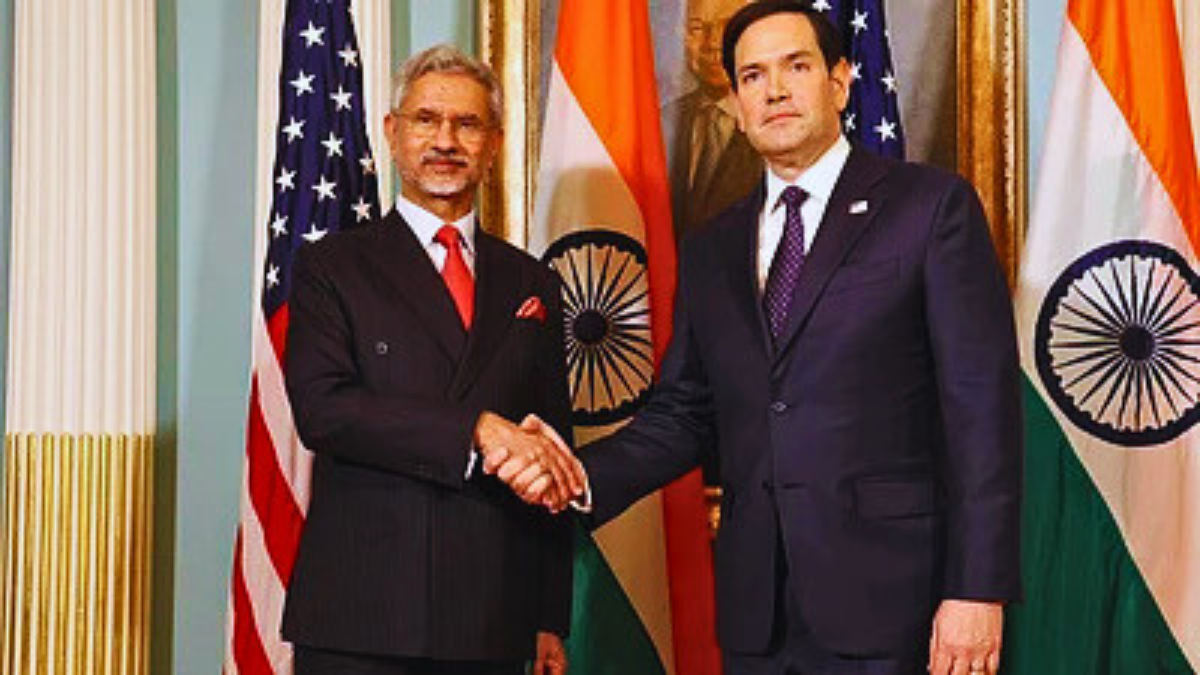
After Pahalgam attack, Jaishankar presses for justice as U.S. urges calm between nuclear neighbors
1 May 2025, New Delhi
In the wake of the devastating terrorist attack in Pahalgam, Jammu and Kashmir, which resulted in the deaths of 26 civilians on April 22, India’s External Affairs Minister Dr. S. Jaishankar engaged in a crucial dialogue with U.S. Secretary of State Marco Rubio. The conversation underscored India’s firm stance on bringing the perpetrators to justice and highlighted the United States’ call for de-escalation between India and Pakistan.
Dr. Jaishankar stated on social media platform X (formerly Twitter) on Tuesday that he spoke with US Secretary of State @SecRubio about the Pahalgam terrorist attack. Those behind it, those who promote it, and those who plan it must take responsibility.” This accusation supports India’s argument that the attack has a cross-border dimension, involving elements based in Pakistan.
Secretary Rubio conveyed his heartfelt condolences for the lives lost and reiterated the U.S. commitment to strengthening counterterrorism collaboration with India. He also emphasized the importance of both India and Pakistan taking steps to reduce tensions and maintain peace in the region. In separate discussions with Pakistani Prime Minister Shehbaz Sharif, Rubio urged Islamabad to cooperate fully in the investigation of the Pahalgam attack and to engage in dialogue aimed at de-escalation.
The Pahalgam incident has significantly strained Indo-Pak relations. In response, India has implemented several measures, including suspending the Indus Waters Treaty, closing the Integrated Check Post at Attari, and reducing diplomatic ties with Pakistan. Additionally, India has granted its armed forces full operational freedom to respond to the attack as deemed appropriate.
Pakistan, denying any involvement in the attack, has called for an independent investigation and has taken reciprocal actions, such as closing its airspace to Indian aircraft and suspending trade relations. The situation remains volatile, with increased military activity along the Line of Control and heightened diplomatic tensions.
International actors, including the United States, China, and the United Nations, have expressed concern over the escalating situation and have urged both nations to exercise restraint and engage in constructive dialogue to prevent further deterioration of regional stability.

Mansi Sharma is a journalist covering Global Affairs, and wellness, known for turning complex ideas into sharp, engaging narratives. Her work is driven by curiosity, depth, and a constant urge to question and explore. When she’s not writing, you’ll often find her diving into new ideas—preferably with a cup of coffee in hand, one sip at a time.