
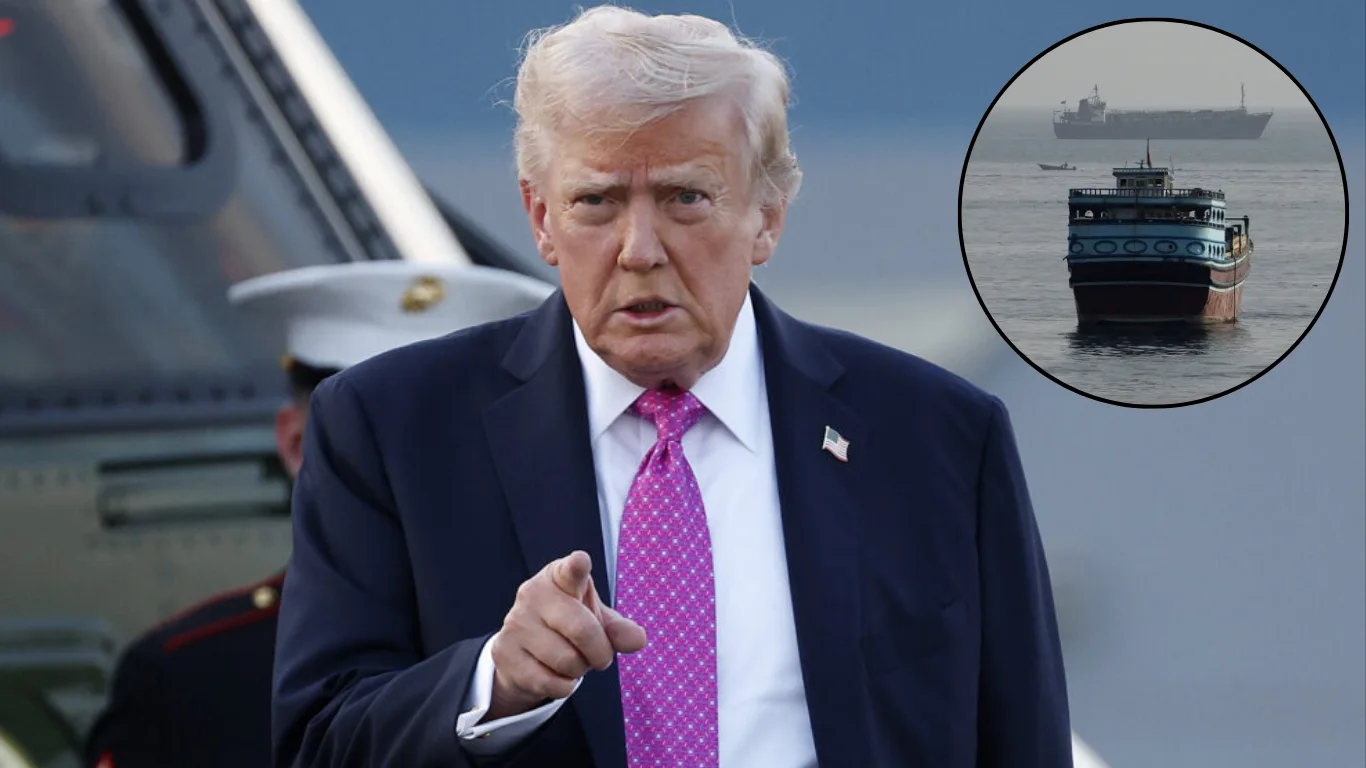
Trump’s Strait of Hormuz statement has intensified global concern amid the Iran-US war. Know how the tensions could impact oil supplies, shipping routes, energy markets, and the global economy
New Delhi: Amid the ongoing war and tensions between Iran and the United States, US President Donald Trump’s remarks on the Strait of Hormuz have raised global concerns.
Trump has claimed US control over the strategically important waterway. He has also suggested that it could be declared “US territory.” Iran has rejected the claim.
Internationally, the remarks are being viewed as a development that could further complicate an already tense situation.
The Strait of Hormuz is one of the world’s most important energy routes. Located between the Persian Gulf and the Gulf of Oman, the waterway is crucial for global oil and gas supplies. Any military escalation, blockade, or major disruption to shipping through the strait could therefore have consequences far beyond Iran and the United States, potentially affecting Asia, Europe, and the global economy.
What Did Trump Say?
Donald Trump has taken a strong position on the Strait of Hormuz on several occasions in August. On August 14, he said that after defeating Iran, he could declare the Strait of Hormuz “US territory.” Trump also claimed that because of the US blockade, no vessel could pass through the route without American permission.
On August 21, Trump made an even stronger statement, saying that he currently considers the Strait of Hormuz to be like US territory. He also claimed that the United States has control over the waterway and has established a naval blockade.
However, an important question surrounding these statements is whether they represent an actual change in US policy or are part of Trump’s political and strategic rhetoric. Available reports have not provided clear confirmation that the United States has formally initiated any process under international law to incorporate the Strait of Hormuz into its sovereign territory.
Iran Rejects the Claim
Iran has strongly rejected Trump’s claims. Tehran maintains that it still controls the Strait of Hormuz and that the US claims do not reflect the situation on the ground. Iranian officials have described Trump’s remarks as unrealistic and aggressive.
For Iran, the Strait of Hormuz is not only an important economic route but also a key strategic and military area. As a result, tensions between the two countries over the waterway have continued to rise since the conflict began.
Why Is the Strait of Hormuz So Important?
The Strait of Hormuz is one of the world’s major oil transportation routes. Before the war, a large number of commercial vessels passed through the waterway every day. However, maritime traffic has fallen sharply amid the ongoing conflict.
According to a Reuters report dated August 22, oil flows through the Strait of Hormuz have fallen from around 20 million barrels per day to approximately 8 million barrels per day during the conflict. Thousands of maritime workers and sailors have also been affected by the crisis.
This could have a direct impact on global energy markets. If the waterway remains disrupted for an extended period, pressure could increase on oil supplies, shipping costs, and insurance expenses. This could, in turn, affect fuel prices and inflation in several countries.
US Blockade and Movement of Ships
The United States has strengthened its presence in the maritime region as part of its military and economic pressure campaign against Iran. Trump has described the US naval blockade as a “Wall of Steel” and claimed that America has complete control over the Strait of Hormuz. Iran, however, has challenged the claim.
The tensions have also affected commercial shipping. Reports suggest that the number of vessels passing through the strait has fallen sharply from pre-war levels. On August 13, only eight vessels were reportedly recorded passing through the waterway. Before the conflict, around 130 vessels passed through the strait each day.
Shipping companies are changing their routes or limiting their operations because of security concerns. This could place additional pressure on global supply chains.
US-Iran Talks Also Becoming More Difficult
The dispute over the Strait of Hormuz comes at a time when efforts to end the US-Iran conflict are already facing serious challenges.
In recent days, rhetoric from both sides has intensified. The United States has announced new and extremely tough economic sanctions against Iran. US Treasury Secretary Scott Bessent described the measures as among the toughest sanctions in history.
On August 22, Iran criticized the new US sanctions, accusing Washington of interfering in the sovereignty of other countries. Iranian officials described the American measures as highly aggressive.
Meanwhile, Iranian President Masoud Pezeshkian has emphasized the need to end the war from a “position of strength.” This indicates that debates continue within Tehran over how to balance military resistance with growing economic pressure.
What Could Be the Impact on the Global Economy?
The biggest concern from a prolonged crisis in the Strait of Hormuz is its potential impact on global energy markets. Oil transportation through the waterway has already declined significantly. If the situation worsens, Asian countries could face particular pressure because many economies in the region depend heavily on oil supplies from the Middle East.
China is among the major countries that could be affected by the crisis. According to Reuters, China currently purchases around 80 percent of Iran’s oil exports. Therefore, the impact of US sanctions could extend beyond Tehran and affect one of Iran’s most important trading partners.
Higher maritime insurance costs, increased freight rates, and the use of alternative shipping routes could also place additional pressure on international trade.
Can the Strait of Hormuz Become US Territory?
Trump’s statement is politically and strategically significant, but it is important to distinguish the claim from its legal implications.
The Strait of Hormuz is an international maritime route, and its status is connected to international maritime law and the sovereignty of the countries in the region. Simply declaring the waterway to be “US territory” would not automatically establish internationally recognized American sovereignty over it.
For this reason, Trump’s statement should currently be understood as a significant political and military claim rather than an established fact accepted by the international community.
What Could Happen Next?
The biggest challenge for the United States and Iran in the coming days will be determining whether both sides can reopen a path toward negotiations despite military confrontation and economic pressure.
Reports indicate that despite direct military tensions, efforts to maintain contact through intermediaries have continued. However, public rhetoric from both sides remains highly confrontational.
If shipping through the Strait of Hormuz remains disrupted and sanctions persist for an extended period, the impact could spread from higher energy prices to broader international trade. However, a diplomatic breakthrough and the restoration of safe navigation could ease pressure on global markets.
What Lies Ahead for US-Iran Tensions?
Amid the Iran-US war, the Strait of Hormuz has become far more than a maritime passage; it is now one of the most sensitive flashpoints in global geopolitics. Trump’s description of the strait as “US territory” highlights the seriousness of the confrontation, but it would be inaccurate to present the statement as proof of established American sovereign control. Iran has rejected the claim, and the two sides remain sharply divided over the status and control of the waterway.
Whether the crisis remains limited to the Middle East or begins to significantly affect global energy and economic systems will depend largely on whether the United States and Iran move toward negotiations or whether military confrontation and economic pressure continue.
