
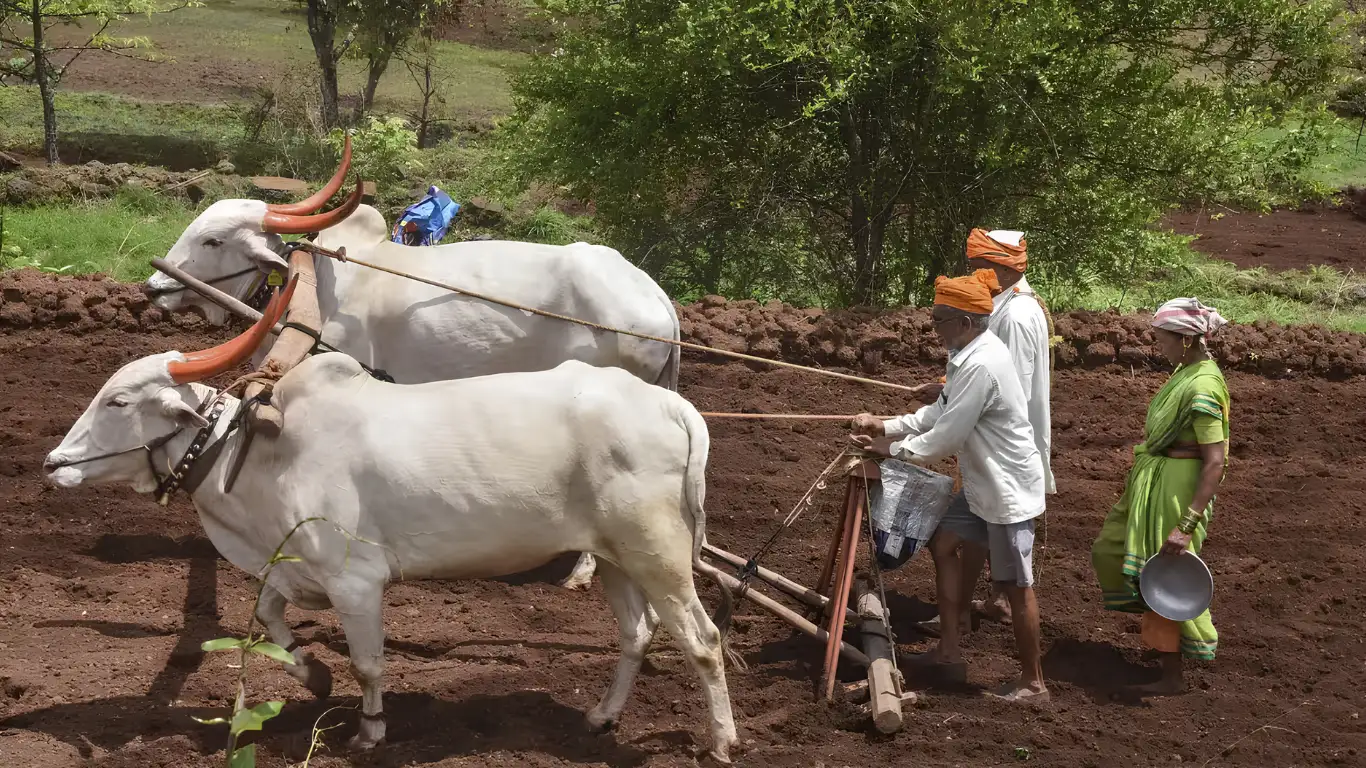
Weak monsoon rains, rising production costs and supply shortages are pushing up prices of essential food items, squeezing household budgets and raising concerns over India’s inflation outlook
New Delhi: India is facing another difficult phase of food inflation, with rising prices putting pressure on household budgets. In September 2026, retail food inflation climbed to 7.74%, pushing overall Consumer Price Index (CPI) inflation to 5.54%, close to the Reserve Bank of India’s (RBI) upper tolerance limit of 6%. Onion prices have more than doubled in some readings, while chicken, milk, cereals and edible oils have also become expensive. Since food accounts for more than one-third of India’s consumer price basket and nearly half of spending for many rural households, these increases directly affect purchasing power and living standards.
The rising prices reflect several problems, including weak monsoon rainfall, lower agricultural output, higher production costs and global commodity pressures. From grains and vegetables to poultry and dairy, multiple food categories are driving inflation.
The Latest Food Inflation Numbers
After a period of relative stability and negative food inflation readings in parts of 2025, food prices started rising again in 2026. Food inflation increased to 7.74% in September from around 6% in August, while overall retail inflation reached 5.54%. Rural food inflation stood at around 8%, higher than urban levels.
Onions recorded the sharpest increase, with year-on-year inflation exceeding 100% in some official readings. Ginger, garlic, sugar, cereals, edible oils and animal proteins also contributed to the rise. Milk, dairy products and eggs recorded firmer prices, while meat inflation remained elevated despite some easing.
Economists have warned that food inflation could approach 10% during the October-December quarter if current trends continue.
Which Food Items Are Becoming More Expensive?
Grains and cereals: Rice and wheat prices have remained firm amid concerns about production. Lower cultivation in some seasons, uneven rainfall and export demand have affected supplies. Pressure on government buffer stocks in previous years has also made supply management important.
- Onions and vegetables: Onions have recorded some of the sharpest price increases. Lower rabi production estimates, delayed kharif planting and weak June rainfall have affected supplies. Ginger and garlic prices have also risen sharply. However, tomato and potato prices have sometimes moved in the opposite direction, showing that inflation varies across individual vegetables.
- Pulses, edible oils and sugar: India continues to face a gap between domestic production and demand for pulses and oilseeds. Dependence on imports exposes prices to international market movements, transportation costs and changes in import duties. Weather conditions and crop diseases have also affected sugarcane production, prompting the government to facilitate imports at times.
- Chicken, meat, eggs and dairy: Higher animal feed and fodder prices have increased poultry and dairy production costs. Corn and soybean account for around 60-70% of poultry production costs. Transport, packaging and energy expenses, along with bird deaths during heatwaves, have added to the pressure. Milk and other dairy products face similar input costs. The RBI has identified animal proteins and spices as major contributors to recent food inflation.
Why Is Food Inflation Rising?
Weak and uneven monsoon rainfall has emerged as a major reason behind the current inflation cycle. Delayed rainfall in important agricultural regions, heatwaves and unseasonal rain have affected crop yields and delayed the arrival of fresh produce in markets. Repeated climate shocks have also made agricultural production more unpredictable.
Rising production costs have added to the problem. Farmers and food producers now face higher expenses for animal feed, fodder, energy, packaging and transportation. These costs eventually reach consumers through higher retail prices.
Government policies and international developments also influence food prices. The accelerated ethanol-blending target has increased demand for corn, rice and sugarcane as feedstock, potentially putting pressure on food and animal feed supplies. Meanwhile, geopolitical tensions and higher global oil prices have increased transportation costs. A weaker rupee has also made imported edible oils and other commodities more expensive.
India’s dependence on a few agricultural regions for certain vegetables creates another challenge. Maharashtra and a handful of other states account for a significant share of onion production. Therefore, weather disruptions or transportation problems in these regions can quickly affect prices across the country.
How Are Rising Food Prices Affecting Households?
Rural households and low-income families face the greatest pressure because they spend a larger share of their income on food. Rural inflation has also remained higher than urban inflation.
The cost of a vegetarian thali has increased in recent months, mainly because of higher onion, rice, edible oil and cooking fuel prices. Non-vegetarian thalis have received some relief during certain periods because chicken prices have risen relatively slowly, although they remain elevated.
Higher grocery bills also leave families with less money for other purchases. This weakens consumer demand and affects businesses across sectors. Rural demand has already shown signs of weakness, including slower sales of tractors and agricultural equipment.
Prolonged food inflation could also push businesses and workers to demand higher prices and wages. Such developments may spread inflation to other sectors and make it harder for the RBI to control overall price increases.
What Are the Government and RBI Doing?
The government uses several measures to control food prices and protect consumers. It releases buffer stocks of essential commodities, conducts open market sales and offers subsidised staples such as rice, atta and pulses under the Bharat brand. It also imposes stock limits to discourage hoarding and facilitates imports of pulses and edible oils at lower or zero duties when domestic supplies fall short.
The Pradhan Mantri Garib Kalyan Anna Yojana continues to provide free foodgrains to hundreds of millions of beneficiaries, helping low-income families manage their grocery expenses. The government also uses the Price Stabilisation Fund and other administrative measures to control sharp price increases, particularly in onions.
The RBI has a different responsibility. It aims to maintain headline inflation at 4%, with a tolerance range of 2-6%. Although interest rate changes cannot directly increase agricultural supplies or improve rainfall, the RBI may raise rates when food inflation threatens to push overall prices higher. Higher interest rates can also help control inflation expectations and prevent price increases from spreading across the economy.
Economists have warned that persistent food inflation could limit the RBI’s ability to reduce interest rates and may even force further increases if broader price pressures emerge.
For long-term relief, India needs climate-resilient crop varieties, better storage and transportation facilities for perishable produce, and higher domestic production of pulses and oilseeds.
Food Inflation Outlook: What Lies Ahead?
Food inflation could remain high through the winter months as weak rainfall, lower expected crop production, global commodity prices and currency pressures continue to affect supplies. Some forecasts suggest that food inflation could approach 10% during the October-December quarter.
Chicken and dairy prices may also take longer to ease because animal feed and fodder account for a large share of their production costs.
The next few months will depend on rabi crop production, fresh vegetable arrivals, the performance of the next monsoon and international commodity prices. Government buffer stocks and flexible import policies could provide some relief if domestic supplies remain tight.
What Should Consumers Watch?
Consumers should keep an eye on monthly inflation figures, wholesale market arrivals and government announcements about buffer stock releases. These indicators can help explain whether food supplies are improving and whether retail prices may start falling.
For policymakers, the bigger concern is whether food inflation will spread to other sectors and affect overall inflation expectations. The speed at which farmers and suppliers respond to shortages will also determine how quickly prices can stabilise.
India’s food inflation problem goes beyond temporary price fluctuations. Climate disruptions, gaps in domestic production, rising input costs and the high share of food in household budgets continue to put pressure on consumers.
The coming months will show whether better harvests and improved supplies can bring relief or whether 2026 will end with another prolonged period of high food inflation.

Mansi Sharma is a journalist covering Global Affairs, and wellness, known for turning complex ideas into sharp, engaging narratives. Her work is driven by curiosity, depth, and a constant urge to question and explore. When she’s not writing, you’ll often find her diving into new ideas—preferably with a cup of coffee in hand, one sip at a time.