
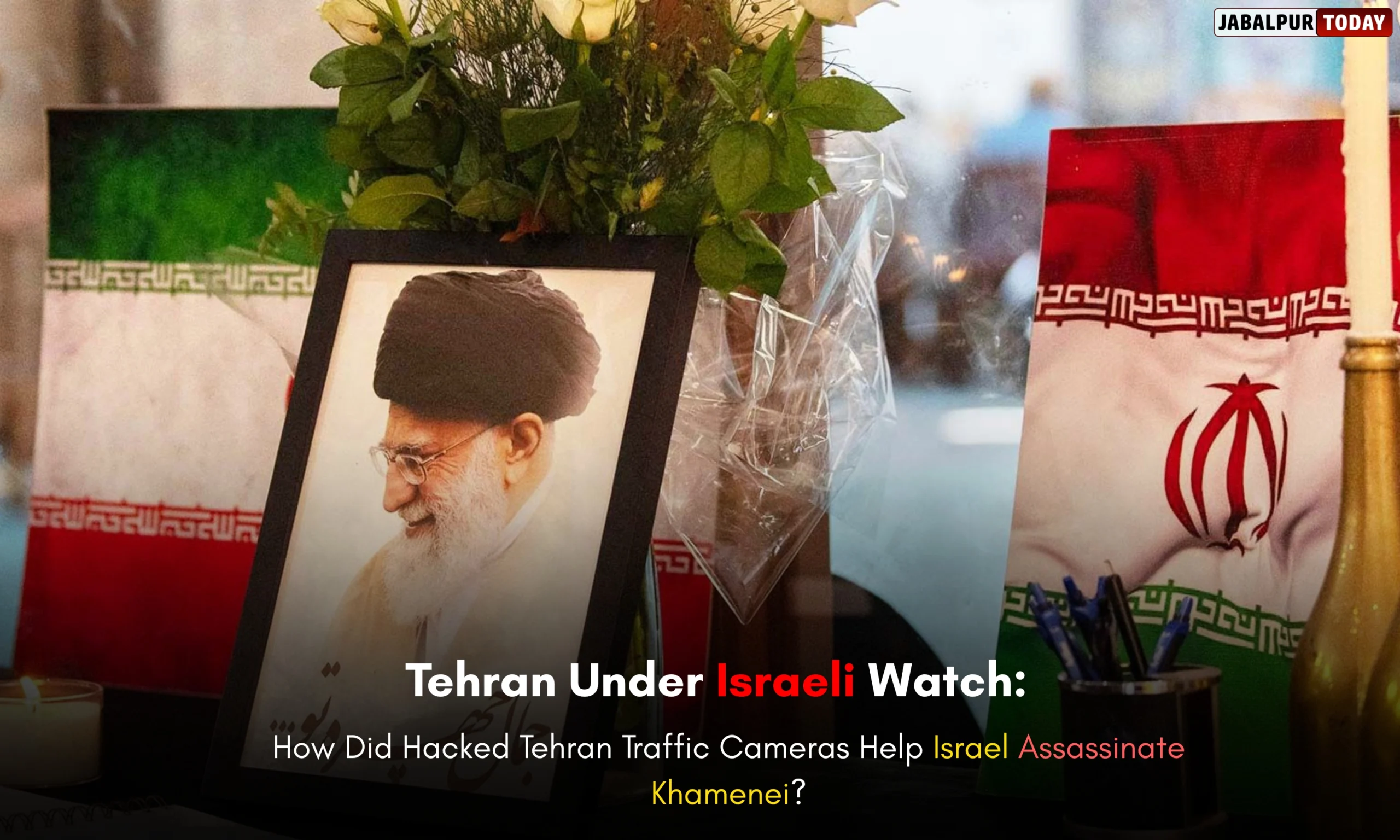
An in-depth look at how hacked Tehran traffic cameras were allegedly used to track and assassinate Ali Khamenei, revealing the growing role of cyber warfare in global conflicts.
New Delhi: In a shocking development that shows how modern wars are fought in secret, Israeli intelligence reportedly hacked almost all of Tehran’s traffic cameras years ago. Over time, they turned the city’s own surveillance system into a powerful tracking tool. On February 28, 2026, this intelligence was used in a precise US-Israeli airstrike that killed Iran’s Supreme Leader, Ayatollah Ali Khamenei.
The operation, reportedly called “Roaring Lion” by some sources, combined cyber hacking with human intelligence. While most headlines focused on the airstrike, the bigger story is how ordinary city infrastructure—like traffic cameras—was secretly transformed into a weapon in a hidden war. This article explains how the hack worked and what it means for the world.
Roots of Rivalry: A Long Cyber War Between Israel and Iran
This hack did not happen suddenly. It was part of a long cyber conflict between Israel and Iran.
The rivalry goes back to 2010, when the Stuxnet virus—widely believed to have been created by Israel and the United States—damaged Iran’s nuclear centrifuges. Since then, both countries have carried out cyberattacks against each other.
Iran allegedly targeted Israeli water systems and energy grids. In response, Israel increased its digital surveillance, especially as threats grew from Iranian-backed groups like Hezbollah.
Key Developments:
• After the 2023 Gaza conflicts, Israel’s intelligence agency Mossad reportedly made breaking into Tehran’s systems a top priority, focusing on tracking senior leaders.
• Reports also suggest the Central Intelligence Agency (CIA)** worked with Israel, including using a human source to confirm digital intelligence.
This background explains how a simple traffic system became a major espionage tool.
The Hack Explained: Silent but Powerful
At the center of the operation was Tehran’s massive traffic camera network—more than 10,000 cameras across the city.
Israeli operatives reportedly hacked into these cameras years earlier. They secretly accessed live footage, encrypted it, and sent it to servers in Tel Aviv and southern Israel—without Iranian authorities noticing.
How the Hack Likely Worked:
- Hackers may have inserted malware through supply chain weaknesses or with insider help.
- The system enabled operatives to monitor activities in real time without triggering alarms.
- Hackers reportedly breached mobile phone networks to track signal movements.
- Analysts used artificial intelligence (AI) to study patterns such as vehicle routes and daily routines.
Main Focus Area:
Surveillance was heavily focused on Pasteur Street, where the IRGC’s Vali Amr Protection Unit operates. This helped intelligence agencies map out:
• Security team routes
• Daily commutes
• Lunch breaks
• Even home addresses
An Israeli official reportedly said, “We knew Tehran like we know Jerusalem,” highlighting how deeply they had penetrated the system.
From Monitoring to Missile Strike
The hacked camera network played a key role in confirming Khamenei’s location during a critical meeting.
At the same time, operatives reportedly disrupted nearby phone towers to prevent any warning from reaching his security team. This digital control gave the military forces a clear physical advantage.
How the Operation Unfolded:
• Bodyguards’ vehicles were tracked through the hacked cameras.
• The target was precisely located.
• Around 30 bombs were reportedly used to ensure mission success.
• A CIA insider confirmed the intelligence to avoid mistakes.
This operation shows a new style of warfare—where cyber preparation reduces the need for risky ground.
Global Impact: Security and Privacy at Risk
The exposure of this hack has serious global consequences.
For Iran, it means a complete review of its cyber security systems, which could cost billions of dollars. It also creates internal distrust within its institutions.
Global Lessons:
• Countries with large CCTV networks, such as China or the UK, may face similar risks.
• Experts are calling for stronger encryption and AI systems that detect unusual activity.
• The hack also raises privacy concerns, as ordinary citizens’ footage may have been accessed during the surveillance.
Economic and Political Effects:
• Rising tensions in the Middle East could increase oil prices.
• Other countries like Russia or North Korea may adopt similar hybrid warfare tactics.
Some experts compare this to the 2020 SolarWinds cyberattack, showing how state-sponsored hacks are becoming more advanced. In the future, governments may move toward blockchain-based or decentralized security systems to prevent such breaches.
Reactions Around the World
People have responded in a divided manner:
• Iran has called the act “state terrorism” and promised cyber retaliation.
• Israel has not officially confirmed the operation, but sources describe it as a defensive success.
• The United States has emphasized reducing tensions and has downplayed direct involvement.
Different Viewpoints:
• Cybersecurity experts online have expressed shock at the scale of the breach and warned about further escalation.
• UN officials have questioned the legality of targeted killings carried out with cyber support.
• Iranian exiles have described it as a blow against authoritarian rule.
• Public opinion online remains divided—some people admire the technological sophistication, while others fear that it threatens privacy worldwide.
As Iran faces political uncertainty after Khamenei’s death, this event may push countries worldwide to strengthen urban cyber security systems.
Also Read on jabalpur today: How Will the Iran-Israel-US War Affect India? Oil, Economy, and Diaspora at Risk

Mansi Sharma is a journalist covering Global Affairs, and wellness, known for turning complex ideas into sharp, engaging narratives. Her work is driven by curiosity, depth, and a constant urge to question and explore. When she’s not writing, you’ll often find her diving into new ideas—preferably with a cup of coffee in hand, one sip at a time.