
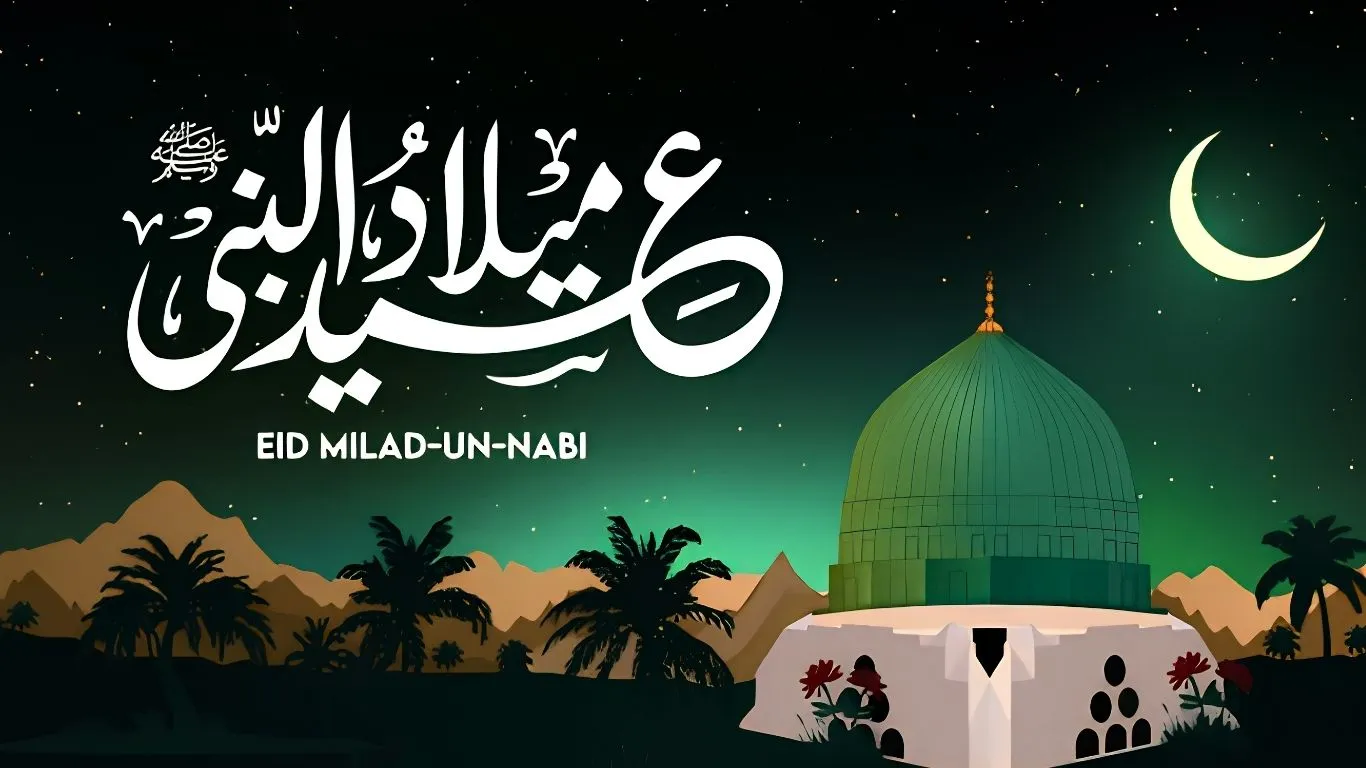
New Delhi: Muslims around the world are celebrating Eid-e-Milad-un-Nabi, also known as Mawlid or Milad-un-Nabi, today, Wednesday, August 26, 2026. The occasion marks the birth anniversary of Prophet Muhammad (peace be upon him) and falls on the 12th day of Rabi’ al-Awwal in the Islamic lunar calendar, corresponding to 12 Rabi’ al-Awwal 1448 AH.
The occasion falls during public holidays in Pakistan and several Indian states. Streets and markets feature green decorations, religious processions take place in many cities, and families exchange greetings while reflecting on the Prophet’s teachings.
When Is Eid Milad-un-Nabi 2026 and Why Does the Date Change?
Eid Milad-un-Nabi follows the Hijri lunar calendar. The Islamic lunar year is about 11 days shorter than the Gregorian solar year. Because of this difference, the Gregorian date of Eid Milad-un-Nabi changes every year.
Moon sightings can also cause the date to differ by a day in different regions. In 2026, authorities in Pakistan and India confirmed August 26 as the day of observance after several regions did not sight the Rabi’ al-Awwal crescent on the earlier expected date. Celebrations generally begin on the evening of August 25 and continue through August 26.
Most Sunni Muslims observe the occasion on 12 Rabi’ al-Awwal, while many Shia Muslims observe it on 17 Rabi’ al-Awwal.
Islamic tradition places the birth of Prophet Muhammad in Mecca around 570 CE, known as the Year of the Elephant. Muslims also traditionally associate his death with the same date or a nearby date decades later. For this reason, some communities treat the occasion as both a celebration of his birth and a time for solemn remembrance.
History and Origins of Eid Milad-un-Nabi
Public celebrations of the Prophet’s birth developed as organized religious events centuries after his lifetime. Historical records trace formal public celebrations to the Fatimid Caliphate in Egypt during the 10th and 11th centuries.
Early gatherings included Quran recitation, religious sermons, poetry praising the Prophet, known as naat or Mawlid poetry, and communal meals.
The practice later spread to other regions, including Syria, Morocco, Turkey and Spain, particularly during the 12th and 13th centuries. Sufi communities played an important role in spreading and developing the tradition. The Ottoman Empire later gave the celebration official recognition and called it Mevlid Kandil in 1588.
Supporters of Mawlid often point to the Prophet’s practice of fasting on Mondays. Islamic traditions state that Monday was the day of his birth. Supporters also refer to reports in which the Prophet connected Monday with his birth and the beginning of revelation.
However, not all Muslims agree with organized Mawlid celebrations. Salafi scholars and some Deobandi scholars consider such celebrations a later religious innovation, or bid’ah, because the Prophet and the earliest generations of Muslims did not celebrate his birthday in this way.
The debate continues among Islamic scholars. Many Hanafi, Maliki, Shafi’i and Sufi scholars consider respectful gatherings that focus on the Seerah, prayers, charity and good deeds permissible or even meritorious. Other scholars discourage or prohibit formal Mawlid celebrations.
Significance of Eid Milad-un-Nabi
For many Muslims, Eid Milad-un-Nabi goes beyond celebrating a birthday. The occasion encourages Muslims to remember the Prophet’s life and follow his example in everyday life.
The Quran describes Prophet Muhammad as “a mercy to the worlds” in Surah Al-Anbiya 21:107. Muslims remember his character and teachings, including truthfulness, kindness, justice, generosity, forgiveness and service to people in need.
The occasion especially encourages Muslims to remember:
- Kindness and gentle behaviour.
- Charity and helping people in need.
- Justice and fair treatment.
- Compassion toward poor people, orphans, women and children.
- Kindness toward animals.
- Patience and humility.
- Forgiveness and reconciliation.
- Service to the community.
Many Muslims use the occasion to study the Seerah, recite salawat, perform charitable acts and think about how they can bring the Prophet’s teachings into their daily lives.
How Muslims Celebrate Eid Milad-un-Nabi Around the World
Muslims celebrate Eid Milad-un-Nabi in different ways depending on their culture, country and religious tradition.
Common activities include mosque gatherings, Quran recitation, naats and qasidas, religious lectures, processions, charity, distribution of food and sweets, and decorations at homes, mosques and public places.
Green flags and lights often appear during celebrations because many communities traditionally associate green with Islam and the Prophet.
Celebrations in South Asia
Pakistan, India and Bangladesh often witness large public celebrations.
People decorate streets and mosques with lights, banners and green flags. Large processions, known as juloos, pass through several cities. Participants recite durood and naats during these gatherings.
Community groups also distribute free meals, sweets and other food to people.
In Pakistan, the government and private institutions decorate buildings with lights. The country also traditionally marks the occasion with gun salutes in the capital and provincial centres.
Celebrations in Egypt and North Africa
In Egypt and parts of North Africa, people prepare traditional Mawlid sweets known as halawat al-mawlid. These sweets include sugar dolls, candy horses and other traditional treats.
Morocco, Algeria and Tunisia hold religious gatherings, lectures, chants and family events.
Celebrations in Turkey
Turkey observes the occasion as Mevlid Kandil. Mosques organize special religious programmes, and people often distribute sweets and food.
Celebrations in Indonesia and Malaysia
Indonesia and Malaysia hold religious gatherings, parades and Islamic programmes. In parts of Java, people also follow the Grebeg Maulud tradition, which includes ceremonial food offerings connected with the royal courts.
Celebrations in Africa
Countries such as Nigeria, Sudan and Somalia hold religious gatherings and processions. Sufi communities often organize these events. In several countries, the occasion also receives public-holiday status.
Saudi Arabia and Qatar
Saudi Arabia and Qatar do not declare Mawlid an official public holiday. Salafi interpretations in these countries generally discourage formal celebrations of the Prophet’s birthday.
However, individuals can still spend the occasion in private reflection and increase their recitation of salawat.
Shia communities in Iran and other countries commonly observe 17 Rabi’ al-Awwal and organize their own religious programmes.
Holiday Status in India and Pakistan
Pakistan observes August 26, 2026, as a public holiday after the federal government declared the day a holiday.
In India, Eid Milad-un-Nabi appears as a gazetted holiday on the central holiday calendar. Several states, including Maharashtra, Karnataka, Uttar Pradesh, Bihar, Delhi, Jammu and Kashmir, Telangana and Andhra Pradesh, observe the occasion with government and institutional closures.
Andhra Pradesh adjusted its holiday date according to its local holiday calendar.
The status of banks, schools, government offices and private institutions can differ between states and individual institutions. People should check with their local authorities or institutions for the exact holiday status in their area.
Rituals, Food and Everyday Observance
Muslims observe Eid Milad-un-Nabi through a variety of religious and community activities.
Common practices include:
- Special prayers.
- Quran recitation or tilawat.
- Mehfil-e-naat gatherings.
- Religious lectures.
- Recitation of naats and qasidas.
- Charity and food distribution.
- Decorating homes, streets and mosques.
- Wearing new or clean clothes.
- Preparing and sharing sweets.
- Visiting relatives and friends.
- Helping people who need support.
- Visiting the sick.
- Feeding people who cannot afford meals.
- Organizing night-long programmes of remembrance in some communities.
Families may prepare seviyan, halwa and other regional sweets and share them with neighbours, relatives and people in need.
For many Muslims, these acts represent the values of kindness, generosity and compassion associated with the Prophet’s teachings.
100+ Eid Milad-un-Nabi 2026 Wishes, Messages and Greetings
Here are messages that people can share on WhatsApp, social media, greeting cards or in personal conversations.
Short and Classic Wishes
- Eid Milad-un-Nabi Mubarak!
- Mawlid Mubarak.
- Eid-e-Milad Mubarak to you and your family.
- May this blessed day bring peace to your heart.
- Warm wishes to you on the sacred occasion of Eid Milad-un-Nabi.
- May Allah’s blessings fill your home today and always.
- Happy Eid-e-Milad! Stay blessed.
- May this Mawlid bring light, peace and faith into your life.
- Eid Milad Mubarak! May kindness always guide your path.
- Warm greetings on the birth anniversary of the Prophet of Mercy.
Heartfelt and Reflective Wishes
- May the teachings of Prophet Muhammad inspire you to live with kindness, compassion and love. Eid Milad-un-Nabi Mubarak!
- On this blessed occasion, may Allah fill your heart with faith, peace and gratitude.
- May the Prophet’s example bring light, joy and harmony into your life.
- Wishing you and your loved ones a peaceful Eid Milad-un-Nabi filled with blessings.
- May Allah guide you toward righteousness and bless your home with love and harmony.
- May the noble character of the Prophet of Mercy inspire us to spread peace and justice.
- May this day remind us to speak gently, act generously and remain strong in faith.
- Eid Milad-un-Nabi Mubarak! May your prayers be answered and your heart find peace.
- May the light of this sacred day guide your path toward hope and good deeds.
- Sending you my best wishes. May the Seerah continue to guide us toward compassion and kindness.
Wishes for Family
- Eid Milad Mubarak to my family! May Allah keep us united in faith and love.
- Wishing every member of our family peace, health and happiness on this blessed day.
- May our home always reflect the Prophet’s values of mercy and forgiveness.
- To my parents, siblings and children, Eid Milad-un-Nabi Mubarak from the heart.
- May Allah protect our family and give us the strength to follow the best example.
Wishes for Friends
- Eid Milad-un-Nabi Mubarak, dear friend! May your life remain filled with peace and success.
- I am grateful for your friendship on this sacred day. Stay blessed always.
- May the Prophet’s message of brotherhood strengthen our bond. Eid Mubarak!
- Wishing you joy, good health and spiritual growth this Mawlid.
- Happy Eid-e-Milad! May kindness and happiness always surround you.
Social Media and WhatsApp Wishes
- May the blessings of Eid-e-Milad bring peace to every heart and happiness to every home.
- Let us celebrate this day by spreading kindness and compassion.
- May your home be filled with laughter and your heart with peace.
- Be kind, stay kind. Eid Milad Mubarak!
- May peaceful days and bright moments fill your life.
- With love and light, Eid Milad Mubarak!
- May the remembrance of this blessed day remain in our hearts throughout the year.
- A day of light and a tomorrow filled with hope.
- His teachings guide our path.
- Salawat from the heart and duas from the lips.
- May your home remain blessed and your life filled with light.
- Today is a day of peace, love and remembrance.
- May the Prophet’s message of mercy inspire us all.
- May this sacred day bring light and hope into your life.
- Today is a day of prayers. May Allah keep you happy and blessed.
- Eid Milad Mubarak! May your home have peace and your heart have light.
- Mawlid Mubarak to everyone celebrating.
- Stay blessed and keep spreading kindness.
- Sending you warmth, peace and light this Mawlid.
- May happiness and good fortune shine upon your family.
Additional Reflective Messages
- May the spirit of this day inspire you to help people in need.
- May forgiveness and humility become a part of our daily lives.
- Wishing you a peaceful and meaningful Eid-e-Milad.
- May your heart find comfort through faith and patience.
- Happy Eid-e-Milad! May you celebrate this day surrounded by loved ones.
- May the lessons of the Prophet bring clarity and wisdom into your life.
- May this day bring reflection, unity and shared happiness.
- May Allah accept our good deeds and increase our love for the Prophet.
- May we always walk on the path of truth and compassion.
- May Allah ease every difficulty and answer every sincere prayer.
- Peace upon the Prophet and upon everyone who follows his example.
- May your charitable acts bring peace and satisfaction to your heart.
- May Allah bless your life with good health and strong faith.
- Warm wishes on Mawlid. May you enjoy peaceful and meaningful moments with your loved ones.
- May the beauty of this day bring quiet joy throughout the year.
- May we bring mercy and kindness into our homes and communities.
- Eid Milad-un-Nabi Mubarak! May unity and peace prevail.
- May the message of justice and equality guide our communities.
- May we remain grateful for the mercy sent to the worlds.
- May this day renew our commitment to following the Prophet’s example.
- May Allah fill your life with peace, patience and purpose.
- May your family celebrate this blessed occasion with love and togetherness.
- May this Mawlid encourage us to help those who need our support.
- May Allah guide our hearts toward kindness and forgiveness.
- May the Prophet’s teachings inspire us to become better human beings.
- May your prayers, charity and good deeds bring peace to your life.
- May this special occasion strengthen your faith and bring your family closer.
- May every act of kindness you perform bring blessings into your life.
- May Allah fill your home with peace, love and happiness.
- Eid Milad-un-Nabi Mubarak! May the values of mercy and justice remain alive in our lives.
Urdu and Bilingual Greetings
- Eid Milad-un-Nabi Mubarak! Allah Ta’ala aapki zindagi ko imaan, mohabbat, sukoon aur barkaton se bhar de.
- Is mubarak mauqe par dil se dua hai ke Allah aap aur aapke ghar walon par apni rehmat nazil farmaye.
- Allah humein Nabi-e-Kareem ki taleemat par chalne ki taufeeq ata farmaye.
- Aapko aur aapke tamam ahl-e-khana ko dil ki gehraiyon se Eid Milad-un-Nabi Mubarak.
- Allah aapki zindagi mein khair-o-barkat ata farmaye aur har pareshani door kare.
- Sada hanste raho jaise hanste hain phool. Eid Mubarak!
- Madine mein tashreef laaye woh Noor-e-Khuda. Mubarak ho aapko yeh din.
- Ya Allah, humein Nabi Kareem ke naqsh-e-qadam par chalne ki taufeeq ata farma.
- Rabi’ al-Awwal ki barkatein aapki zindagi mein khushiyan le kar aayein.
- Is mubarak din ki barkatein aapke ghar mein sukoon aur mohabbat le kar aayein.
- Allah aapke ghar ko khushiyon aur barkaton se bhar de. Eid Milad-un-Nabi Mubarak!
- Allah aapki har nek dua qubool farmaye aur aapko hamesha khush rakhe.
- Is mubarak din Allah aapko imaan, sukoon aur sehat ata farmaye.
- Nabi-e-Kareem ki taleemat aapki zindagi mein rehnumai ka zariya banein.
- Aapko aur aapke ghar walon ko Rabi’ al-Awwal ki dheron mubarakbaad.
- Allah hum sab ko mohabbat, aman aur insaniyat ke raste par chalne ki taufeeq de.
- Eid Milad-un-Nabi Mubarak! Allah aapke ghar mein rehmat aur barkat nazil farmaye.
- Is paak mauqe par Allah aapki zindagi ki har mushkil aasan farmaye.
- Allah aapko aur aapke parivaar ko khushiyon, sehat aur barkaton se nawaze.
- Eid Milad-un-Nabi Mubarak! Allah hum sab ko Nabi Kareem ke uswa-e-hasana par chalne ki taufeeq de.
- Rabi’ al-Awwal ki barkatein aapke dil ko sukoon aur zindagi ko khushiyon se bhar dein.
- Allah aapki har nek tamanna poori farmaye aur aapko apni rehmat se nawaze.
- Is mubarak din par dua hai ke aapka ghar mohabbat, aman aur barkat se bhara rahe.
- Nabi-e-Kareem ki mohabbat aur taleemat hamesha hamare dilon mein zinda rahein.
- Eid Milad-un-Nabi Mubarak! Allah hum sabko nek amal karne aur doosron ki madad karne ki taufeeq de.
A Message That Goes Beyond One Day
Whether people celebrate Eid Milad-un-Nabi with large public processions or quiet personal reflection, the occasion encourages Muslims to remember values that extend beyond one day.
The day reminds people about mercy, justice, kindness and human dignity. It encourages individuals and communities to put these values into practice through kindness at home, fairness in everyday dealings and care for people who need support.
As Muslims across different countries observe Eid Milad-un-Nabi on August 26, 2026, the greeting remains simple and meaningful: Eid Milad-un-Nabi Mubarak.
May the values of mercy, compassion and kindness associated with the Prophet’s teachings continue to guide people and communities long after the celebrations end.

Mansi Sharma is a journalist covering Global Affairs, and wellness, known for turning complex ideas into sharp, engaging narratives. Her work is driven by curiosity, depth, and a constant urge to question and explore. When she’s not writing, you’ll often find her diving into new ideas—preferably with a cup of coffee in hand, one sip at a time.