
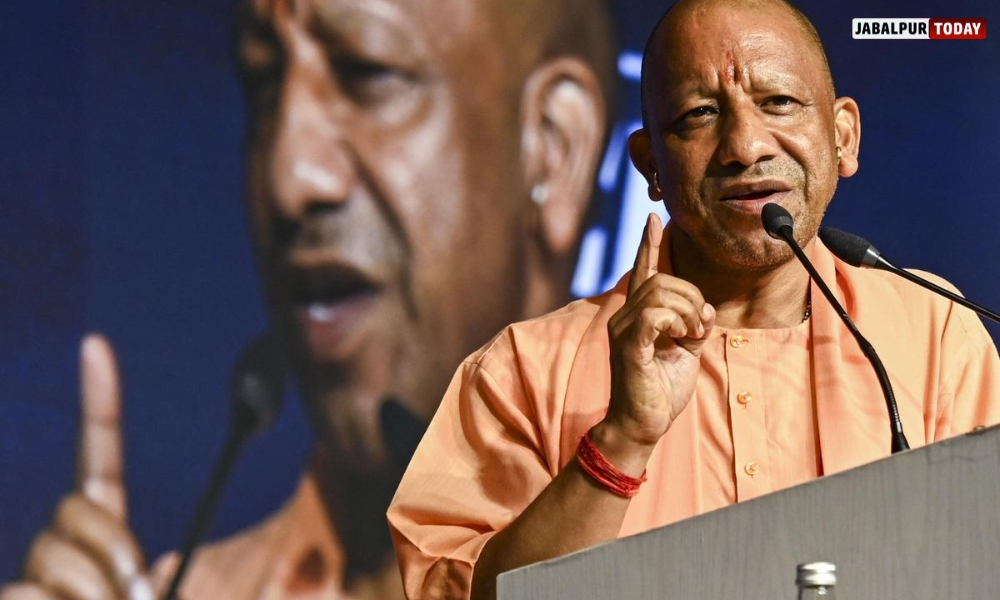
UP government advises two-day work from home for offices and startups amid rising fuel prices and the Middle East crisis linked to Iran tensions
Uttar Pradesh: The Uttar Pradesh government has announced a major fuel-saving plan that includes a two-day work-from-home advisory for offices, startups and industrial establishments where remote work is possible. Chief Minister Yogi Adityanath introduced the measures after a high-level meeting in Lucknow on May 12, 2026, as India faces rising fuel prices linked to the ongoing Iran conflict and global energy crisis. The state government says the steps aim to reduce fuel consumption, lower unnecessary travel and support India’s economy during a difficult global situation.
Why Uttar Pradesh Introduced the Work-From-Home Advisory
The decision came shortly after Prime Minister Narendra Modi addressed a public gathering in Hyderabad on May 11.
During his speech, Modi warned that India is facing a serious energy challenge because of rising global oil prices linked to tensions involving Iran, the United States and Israel.
The situation worsened after the US imposed a naval blockade around Iranian ports in April 2026, affecting global oil and gas supply routes through the Strait of Hormuz.
This route is extremely important for India because:
• Around 50% of India’s crude oil imports pass through it
• Nearly 60% of liquefied natural gas imports use the route
• Most LPG supplies also depend on it
India imports nearly 85% of its fuel needs, making the country highly vulnerable to global fuel price increases.
During his speech, Modi urged citizens to:
• Use public transport
• Work from home where possible
• Carpool
• Reduce unnecessary fuel use
• Avoid non-essential foreign travel
• Limit gold purchases
• Reduce fertiliser use in farming
Within two days, the Uttar Pradesh government converted those ideas into a detailed state-level policy plan.
What the Uttar Pradesh Government Announced
After the Lucknow meeting, the Yogi Adityanath government announced several measures aimed at fuel conservation and reducing energy consumption.
Two-Day Work From Home Advisory
The government plans to issue an advisory recommending:
• Two days of work from home every week
• Applicability for offices, startups and industrial establishments
• Implementation only in sectors where remote work is possible
The advisory mainly targets large workforce sectors in cities such as:
• Noida
• Lucknow
• Kanpur
• Agra
The government has not yet made the policy compulsory, but officials may later issue detailed sector-specific guidelines.
Government Offices Will Also Shift Online
The changes are not limited to private companies.
The state government directed that:
• At least 50% of internal government meetings should happen virtually
• Seminars, workshops and conferences should move online where possible
• Educational sector events should also adopt digital platforms
The government says these steps will reduce travel and fuel consumption across departments.
Yogi Adityanath Ordered Smaller VIP Convoys
One of the biggest announcements involved government convoys. Yogi Adityanath directed an immediate 50% reduction in the number of vehicles used in official convoys, including his own.
The government also asked:
• Ministers
• MPs
• MLAs
• Public representatives
to use public transport at least once every week.
The state is also considering introducing a weekly “No Vehicle Day” to reduce traffic and fuel use.
Staggered Timings, Cycling and Energy Saving Measures
The Uttar Pradesh government also proposed several lifestyle and workplace changes.
These include:
• Staggered office timings to reduce traffic during peak hours
• Encouraging cycling and carpooling
• Promoting electric vehicles
• Increasing the use of Metro rail and UPSRTC buses
• Expanding PNG-based energy systems
The government also asked commercial establishments to reduce unnecessary electricity use, especially decorative lighting after 10 PM.
At the same time, the state plans to speed up rooftop solar panel installations under the PM Surya Ghar Muft Bijli Yojana.
Agriculture and Health Measures Were Also Included
The state government connected the fuel crisis with agriculture and household spending.
Officials directed the agriculture department to:
• Promote natural farming
• Reduce chemical fertiliser use
• Improve use of cattle waste at gaushalas
The government also launched awareness plans encouraging people to reduce edible oil consumption to improve both health and household savings. Schools, hospitals and public institutions may soon run awareness campaigns on these issues.
Uttar Pradesh Wants to Promote Domestic Tourism
The government also announced measures to support domestic tourism instead of international travel.
Citizens and wedding planners were encouraged to:
• Choose Indian destinations over foreign locations
• Promote tourism within Uttar Pradesh
• Use local heritage and eco-tourism destinations for weddings and travel
The tourism department will work with:
• Hotels
• Airlines
• Tour operators
• Travel agencies
to expand domestic tourism campaigns.
The government may also temporarily allow free entry to some museums and monuments to encourage tourism inside the state.
Promotion of Local Products
The government also encouraged people to buy:
• One District One Product (ODOP) items
• GI-tagged products
• Locally made goods during festivals and weddings
Officials said this would support:
• Artisans
• Self-help groups
• Small businesses
• Local entrepreneurs
while reducing unnecessary imports.
Why the Government Is Taking These Steps
India is currently facing pressure from multiple economic factors.
These include:
• Rising global fuel prices
• Higher import costs
• Trade deficit concerns
• Weakening rupee value
Reports also suggest that India’s energy import costs have increased significantly after tensions in the Middle East disrupted global supply chains.
Because fuel imports require large amounts of foreign exchange, governments are now encouraging conservation at every level. The Uttar Pradesh government believes reducing commuting even for two days a week can save large amounts of fuel when applied across a state with nearly 24 crore people.
What Happens Next?
Right now, the work-from-home plan remains an advisory and not a strict order.
However, experts believe the government may later introduce:
• Formal implementation guidelines
• Sector-wise recommendations
• Monitoring systems for compliance
Other state governments are also watching Uttar Pradesh closely.
If similar measures are introduced elsewhere, India could see a new model of work-from-home policies driven not by health emergencies like COVID-19, but by fuel conservation and global economic pressure.
For now, Uttar Pradesh has become one of the first states in India to directly connect global geopolitical tensions with workplace policy and daily office life.
