
Tired of cracked, peeling lips? Read about the common reasons behind lip dryness and simple habits that can help restore softness and moisture
New Delhi: When the weather changes, one common problem many people face is dry and chapped lips. While it’s often linked to winter, the truth is that your lips can become dry in any season. Things like dry air, dust, and sun exposure can take away moisture, making your lips feel rough and uncomfortable. With the right care and a few simple habits, you can keep your lips soft and healthy throughout the year.
Why Do Lips Get Dry So Easily?
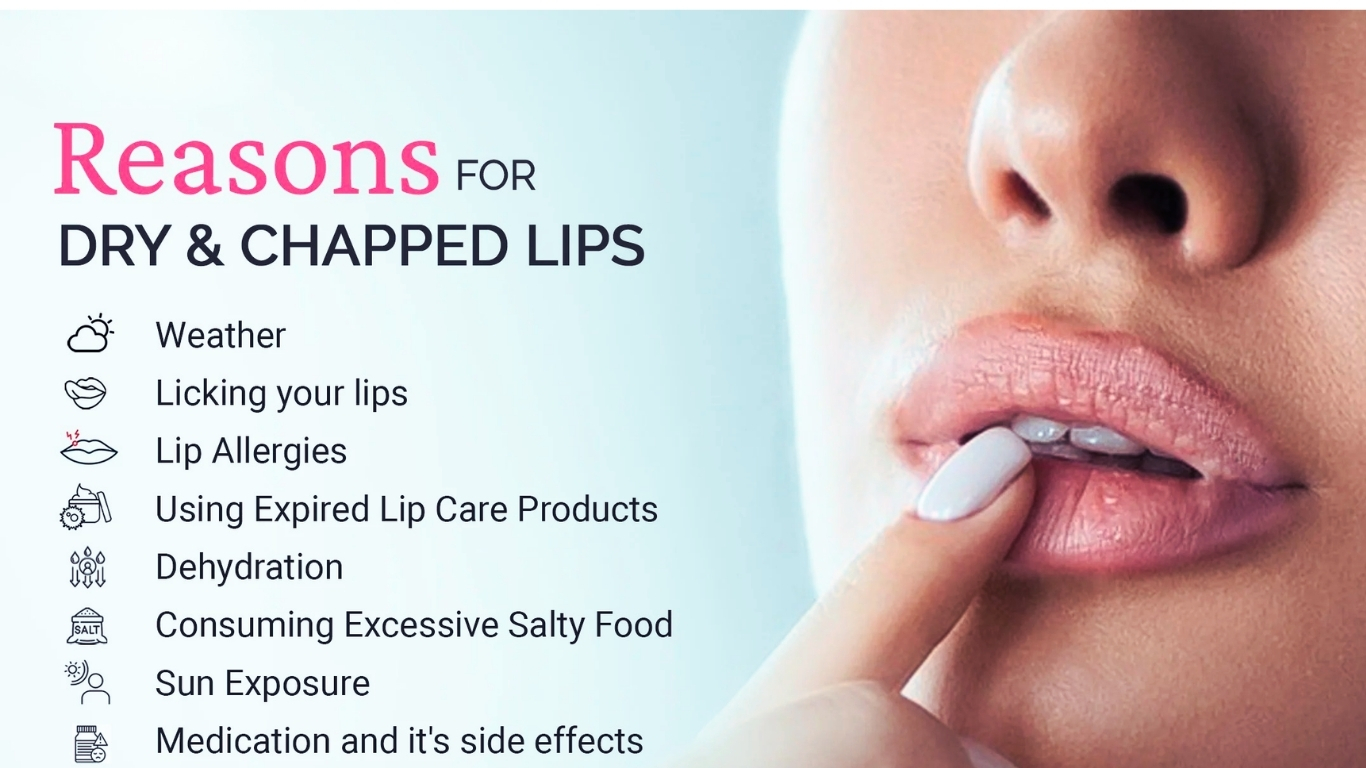
Lips are more vulnerable than the rest of your skin because they lack oil glands, making them prone to dryness. Weather plays a major role—cold, dry air in winter and sun exposure in summer can both damage the delicate lip skin.
Dehydration is another common cause. When your body lacks water, your lips are among the first to show signs. Additionally, UV rays can burn your lips just like your skin, leading to dryness and peeling.
Certain habits, like frequently licking your lips, may feel soothing for a moment but actually worsen dryness over time. Nutritional deficiencies—especially of vitamins B2, B6, and B12—can also contribute to persistent dryness. In some cases, medications may be the underlying cause.
How to Prevent Lip Cracking
• Stay well-hydrated
Drink plenty of water throughout the day. Dehydration is one of the most common reasons behind dry and chapped lips.
• Use a nourishing lip balm regularly
Apply a hydrating lip balm multiple times a day, especially before stepping out and before going to bed.
• Choose the right ingredients
Look for lip balms with moisturizing ingredients like castor oil, shea butter, ceramides, petrolatum, dimethicone, and natural oils. These help lock in moisture and repair the lip barrier.
• Don’t skip SPF protection
Always use a lip balm with SPF 30 or higher. Sun exposure can cause dryness, pigmentation, and even sunburn on your lips.
• Avoid licking your lips
It may feel relieving for a moment, but saliva evaporates quickly and leaves your lips even drier than before.
• Exfoliate gently (once or twice a week)
Use a mild scrub (like sugar and honey) to remove dead skin cells. Avoid over-exfoliating as it can damage the delicate skin.
• Apply overnight lip care
Use natural moisturizers like honey, coconut oil, or ghee as a night mask to deeply hydrate and repair your lips while you sleep.
• Protect your lips in harsh weather
Cover your lips with a scarf in cold winds and reapply lip balm frequently in dry or dusty environments.
• Avoid irritating products
Stay away from lip products with strong fragrances, alcohol, or menthol if you have sensitive lips—they can worsen dryness.
• Maintain a balanced diet
Ensure adequate intake of vitamins, especially B-complex vitamins (B2, B6, B12), to prevent chronic dryness.
• Use a humidifier indoors (if possible)
Dry indoor air, especially in AC or heated rooms, can strip moisture from your lips. A humidifier helps maintain moisture levels.
• Check your toothpaste and skincare products
Some ingredients can irritate lips. If you notice consistent dryness, try switching to gentler formulations.
• Reapply lip balm frequently
Don’t wait for your lips to feel dry—keep them moisturized throughout the day for best results.
When Should You See a Doctor?
In most cases, dry lips can be managed at home. However, if you experience symptoms like swelling, redness, persistent cracking, bleeding, pain, or signs of infection such as pus, it may indicate a more serious issue. If these symptoms do not improve with regular care, it is important to seek medical advice.
A Small but Often Ignored Problem
Lips are more delicate than the rest of your skin and require consistent care—not just during certain seasons. By following a simple daily routine of hydration, protection, and nourishment, you can maintain soft, healthy lips throughout the year. And remember, if something doesn’t feel right, it’s always better to consult a doctor than to ignore the signs.
