
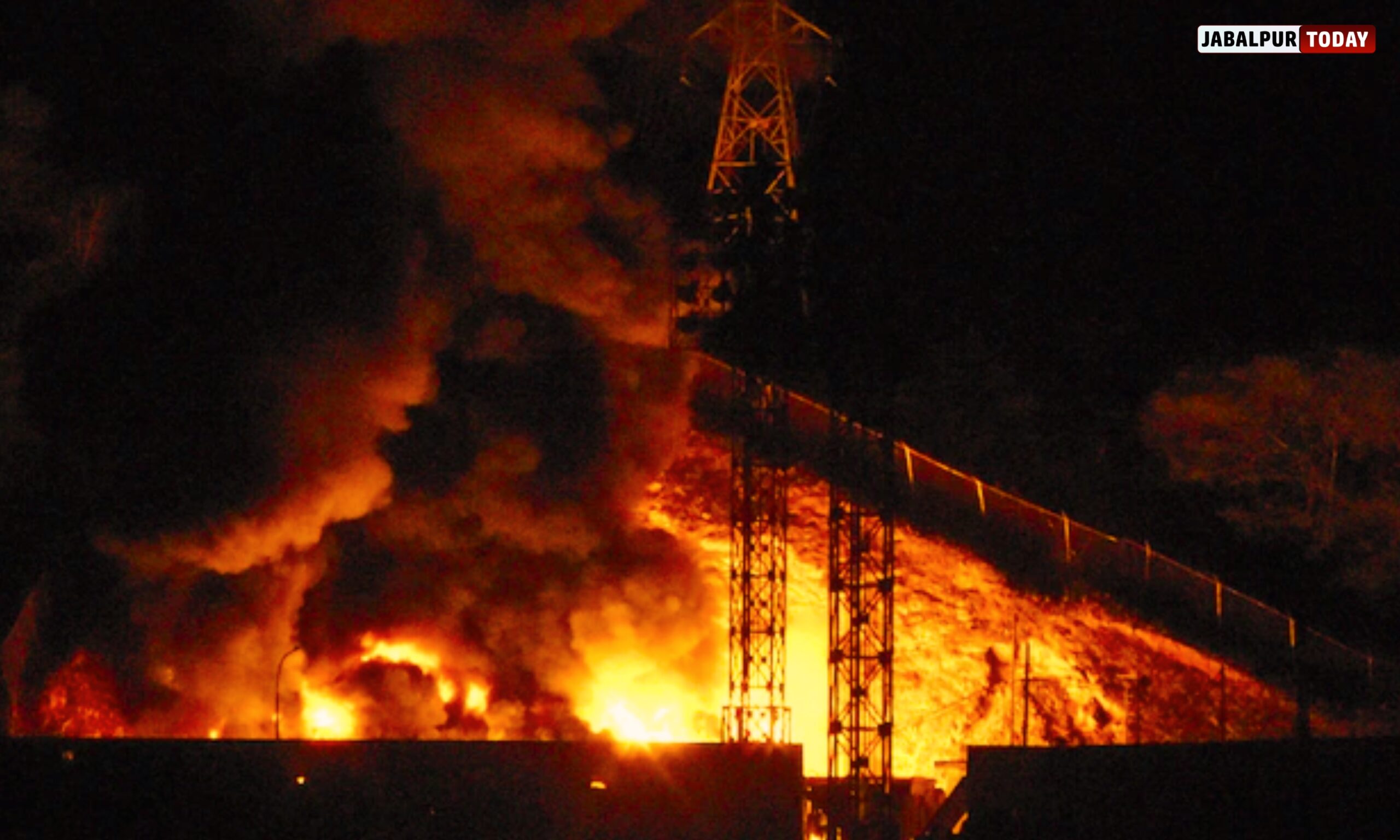
US forces, led by President Trump, carried out air strikes in Caracas on January 3, 2026, capturing Venezuelan President Nicolás Maduro and his wife. This article breaks down the operation, its reasons, and worldwide reactions from countries like China, Cuba, and France.
New Delhi: On January 3, 2026, US forces, under President Donald Trump, launched air strikes and a targeted raid in Caracas, capturing Venezuelan President Nicolás Maduro and his wife Cilia Flores. The Trump administration described the operation as a “law enforcement mission.”
The raid involved bombing key sites, including military installations and the presidential palace, and has sparked intense international debate. Critics called it a violation of international law, while supporters hailed it as justice against drug trafficking.
Maduro is now detained in New York and will face court on January 5, 2026 (today), on charges of narco-terrorism and cocaine importation. Meanwhile, Trump claimed that the US will temporarily “run” Venezuela. This article explains the operation, its motives, and the global reaction.
Timeline of Key Events
| Date | Key Event |
| November 2025 | Trump closes Venezuelan airspace and begins a blockade. |
| December 2025 | US seizes a Venezuelan oil tanker, accusing Maduro of plundering resources. |
| January 3, 2026 | Air strikes and raid in Caracas; Maduro captured; over 80 people killed. |
| January 4, 2026 | Delcy Rodriguez sworn in as interim president; Trump warns she may “pay a bigger price”; Rodriguez forms a commission to secure Maduro’s release. |
| January 5, 2026 | Maduro scheduled to appear in a New York court. |
Background of the Operation
The strikes targeted military sites and the presidential palace, with Delta Force leading the capture operation.
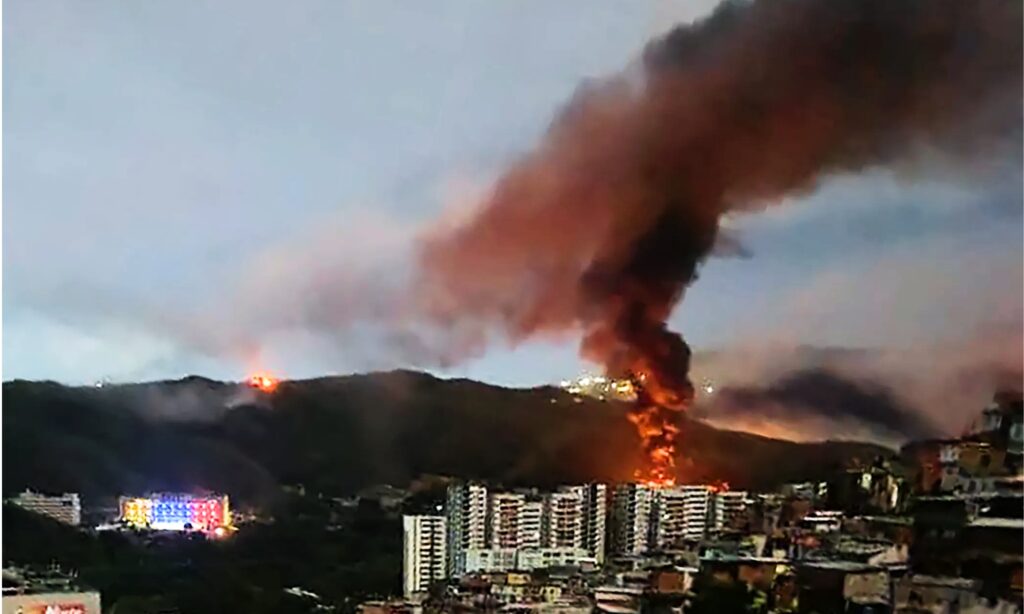
According to Venezuelan and Cuban officials, the raid resulted in casualties, including 32 Cuban nationals as well as members of Maduro’s security detail. Moreover, following the operation, US authorities flew Maduro to New York, where he will face 2020 Department of Justice charges for narco-terrorism and cocaine importation.
As a result, the operation not only affected Maduro’s security team but also, moreover, drew widespread international attention. Consequently, following the raid, Venezuela’s Supreme Court promptly appointed Delcy Rodriguez as interim president, meanwhile condemning the US action as a “kidnapping.” In addition, these developments escalated political tensions both within Venezuela and globally.
Key Motives Behind the US Strikes on Venezuela
Here are the primary reasons cited for the January 2026 operation, rephrased for clarity:
- Fighting Drug Trafficking and Narco-Terrorism
The US accused Nicolás Maduro of leading the “Cartel of the Suns,” which trafficked illegal drugs into the United States, causing hundreds of thousands of overdose deaths. The 2020 Department of Justice charges claim that Maduro conspired to import large amounts of cocaine into the US.
- Reasserting US Geopolitical Influence
President Trump saw the operation as a way to correct what he considered weaknesses under the previous administration, like the handling of Chinese spy balloon incidents. The strikes aimed to strengthen US influence and control in the Western Hemisphere.
- Countering Chinese Influence
Venezuela had over 600 agreements with China in energy and defense. During the raid, US forces targeted Chinese-supplied air defense systems, shortly after a Chinese delegation had met with Maduro.
- Securing Oil and Strategic Resources
Trump claimed Venezuela had “stolen” US oil interests and territory. Gaining control over Venezuela’s vast oil reserves—the largest in the world—was seen as a way to stabilize and possibly lower energy prices for the US.
- Responding to Regime Defiance
Maduro’s refusal to follow US demands led to the intervention. The administration said the goal was to ensure a “safe transition” of power, and it warned interim leader Delcy Rodriguez about the consequences if she did not cooperate.
Trump’s Statements and Administration Views
In an Atlantic interview on January 4, Trump said:
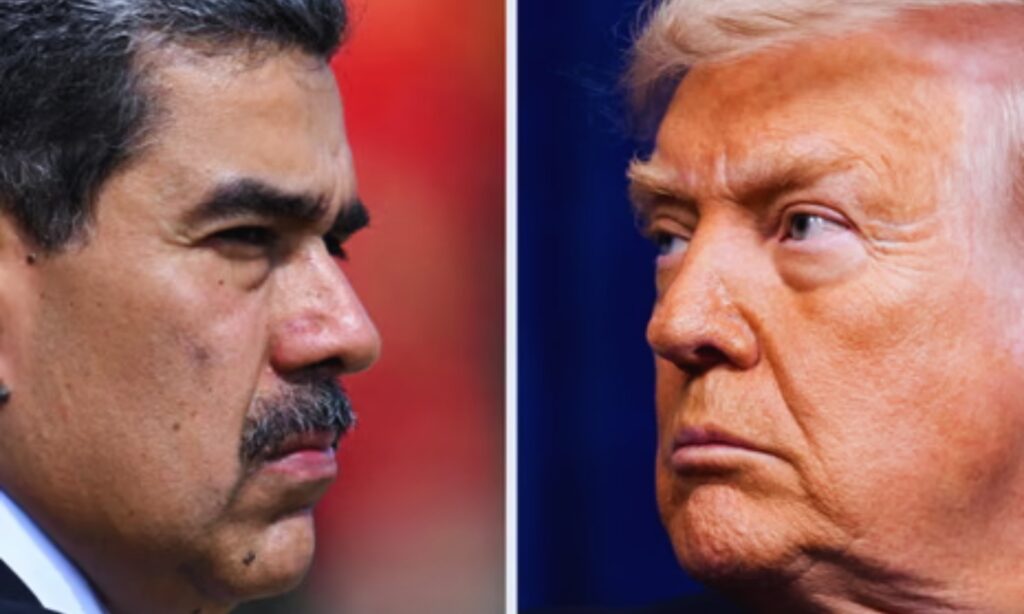
• The US is “in charge” of Venezuela.
• Rodriguez may “pay a bigger price than Maduro” if she doesn’t cooperate.
• He floated the possibility of a second strike or operations in Colombia.
Read more on jabalpurtoday: US Takes Control of Venezuela Oil After Maduro Arrest: Long-Term Effects on Global Prices and Supply
Secretary of State Marco Rubio clarified the US was not directly “running” Venezuela but sees Rodriguez as a partner.
Senator Lindsey Graham praised the operation:
“Defied Trump, his ass in jail.”
No official congressional approval has been reported.
International Reactions
• China: Demanded Maduro and Flores be released, calling the detention a “breach of international law.” Delegation had discussed multipolar order with Maduro pre-raid.
• Cuba: Condemned the operation, confirming 32 Cuban nationals were killed.
• France (Macron): Proposed opposition figure Edmundo González to lead a democratic transition.
• Russia & Iran: Support Maduro; reports say VP Rodriguez fled to Russia.
• Media and Experts: Framed the raid as a violation of international law, warning of risks for WW3 escalation.
Venezuelan Internal Response
Delcy Rodriguez quickly formed a commission to negotiate Maduro’s release and condemned the raid as “barbaric.”
• Military forces were activated to secure the country.
• Protests erupted in Caracas, led by militias demanding Maduro’s release.
• The power vacuum has raised fears of a civil war.
Broader Implications
• Legal: The raid may invite scrutiny from the International Criminal Court and set precedents for foreign interventions.
• Economic: Gives the US potential access to Venezuela’s oil reserves and may lower global energy prices.
• Geopolitical: Weakens multipolar influence of China and Russia in Latin America.
• Domestic (US): Boosts Trump politically, though critics warn of overreach.
This operation highlights Trump’s aggressive foreign policy approach. Developments are ongoing as Maduro’s New York court hearing on January 5, 2026, could further escalate tensions globally.
Read more on jabalpurtoday: India Expresses Concern Over US Operation Capturing Venezuelan President Maduro