
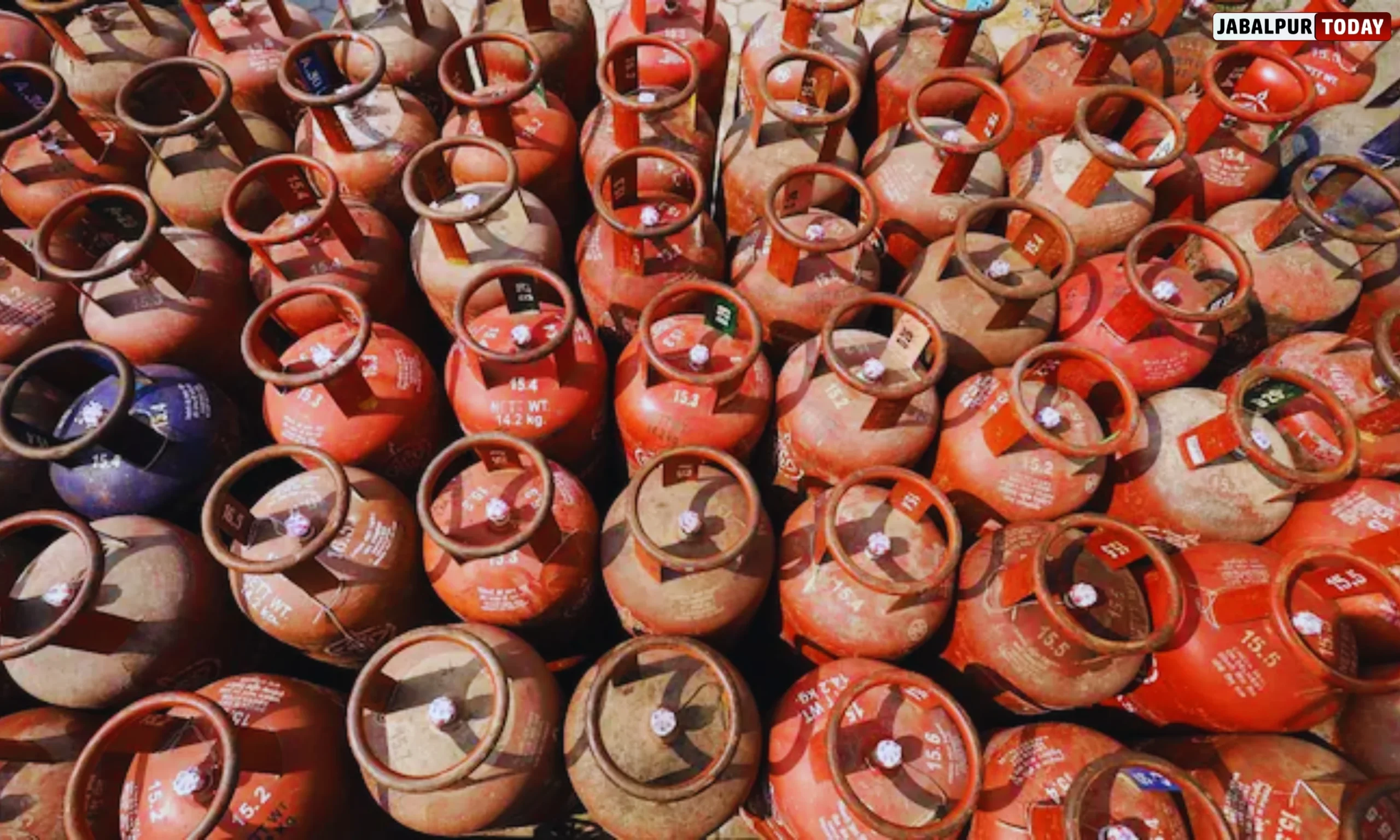
Government increases LPG output and prioritises household supply as global tensions disrupt imports, while hotels and commercial users face supply challenges
New Delhi: Concerns about a cooking gas shortage have grown due to tensions in West Asia. The Indian government has announced a 10 percent increase in domestic LPG production. The government also clearly said that there is no immediate shortage of cooking gas for households.
According to a senior government source who spoke to Moneycontrol, the increase followed emergency instructions issued to refineries last week. The source said the crude oil supply situation is “stable and improving.” More fuel shipments are now arriving in the country.
What the Government Said?
During a special briefing, the government source explained the situation in detail. The source said that LPG production has increased by 10 percent and that the crude oil supply position is improving. More shipments of LPG are arriving from other countries, and supplies of LPG and LNG have started coming in again. Earlier, there was a shortage of about 40 VLCCs (Very Large Crude Carriers). Now, nearly half of them have started arriving.
A joint statement from Indian Oil Corporation, Bharat Petroleum Corporation, and Hindustan Petroleum Corporation addressed the issue. The companies said the current global situation has affected fuel supplies. Because of this, the Ministry of Petroleum and Natural Gas ordered refineries to increase LPG production. The ministry took this step to ensure that domestic customers continue to receive cooking gas without interruption.
The companies also said they will continue supplying LPG to essential non-domestic sectors. These include hospitals and educational institutions. They will receive LPG according to their requirements.
On March 9, the Ministry of Petroleum and Natural Gas posted an update on X (Twitter). The ministry said it had instructed refineries to increase LPG production. It also asked them to use the extra output mainly for domestic cooking gas supply.
Officials took this step because global fuel supply disruptions and limits on LPG imports were affecting availability.
Why the Government Took This Step
The decision came after military strikes by the United States and Israel on Iran, which disrupted shipments through the Strait of Hormuz. This sea route carries about 85–90 percent of India’s LPG imports.
India consumes around 31.3 to 33 million tonnes of LPG every year.India imports about 62 to 75 percent of this supply from other countries. Households use around 87 percent of the LPG in their kitchens, while commercial sectors such as hotels and restaurants use the remaining share.
India currently has around 332 million active LPG connections. Because of this large number of users, any long disruption in supply could lead to panic buying or illegal black-market sales.
Who Is Being Affected
The impact of the supply situation is different for different sectors:
- Households:
Authorities are giving the highest priority to household consumers, who account for about 87 percent of LPG use. Officials have not reported any major shortages so far, although some cities are experiencing minor refill delays of about two to eight days. The existing 25-day cylinder booking rule is also helping prevent panic buying.
- Commercial Users:
Supply disruptions are affecting hotels, restaurants, bakeries and crematoriums the most. In cities such as Mumbai, Bengaluru, Kolkata and Pune, commercial LPG supplies have largely stopped. The Bengaluru Hotels Association warned that many establishments might have to stop operations from March 10 because only about 10 percent of businesses received cylinders. In Pune, the municipal corporation temporarily closed 18 crematoriums that depend on LPG.
- Essential Non-Domestic Sectors:
Authorities continue to supply LPG to hospitals and educational institutions as required because they consider them essential services.
D. K. Shivakumar, Deputy Chief Minister of Karnataka, also acknowledged that supply disruptions have affected the entire hotel and commercial sector in the state.
Reactions from Different Groups
Public sector oil companies such as Indian Oil, Bharat Petroleum and Hindustan Petroleum have supported the government’s decision and confirmed that they are prioritising household and essential users.
Hotel and restaurant associations have expressed concern, saying that many businesses are struggling and some may be forced to buy LPG at higher prices in the black market if the situation continues.
State governments are closely monitoring the situation. Apart from Karnataka, no other major state has issued detailed public statements yet.
Industry organisations are also expected to release their official responses soon. Meanwhile, the government has set up a 24-hour control room to monitor LPG supply and ensure quick action if any problems arise.
The quick decision to increase LPG production by 10 percent within a week shows how the government is trying to manage the crisis quickly. However, the situation also highlights a long-term challenge for India — heavy dependence on fuel imports from the Gulf region and the need to expand domestic exploration and diversify energy sources.

Mansi Sharma is a journalist covering Global Affairs, and wellness, known for turning complex ideas into sharp, engaging narratives. Her work is driven by curiosity, depth, and a constant urge to question and explore. When she’s not writing, you’ll often find her diving into new ideas—preferably with a cup of coffee in hand, one sip at a time.