
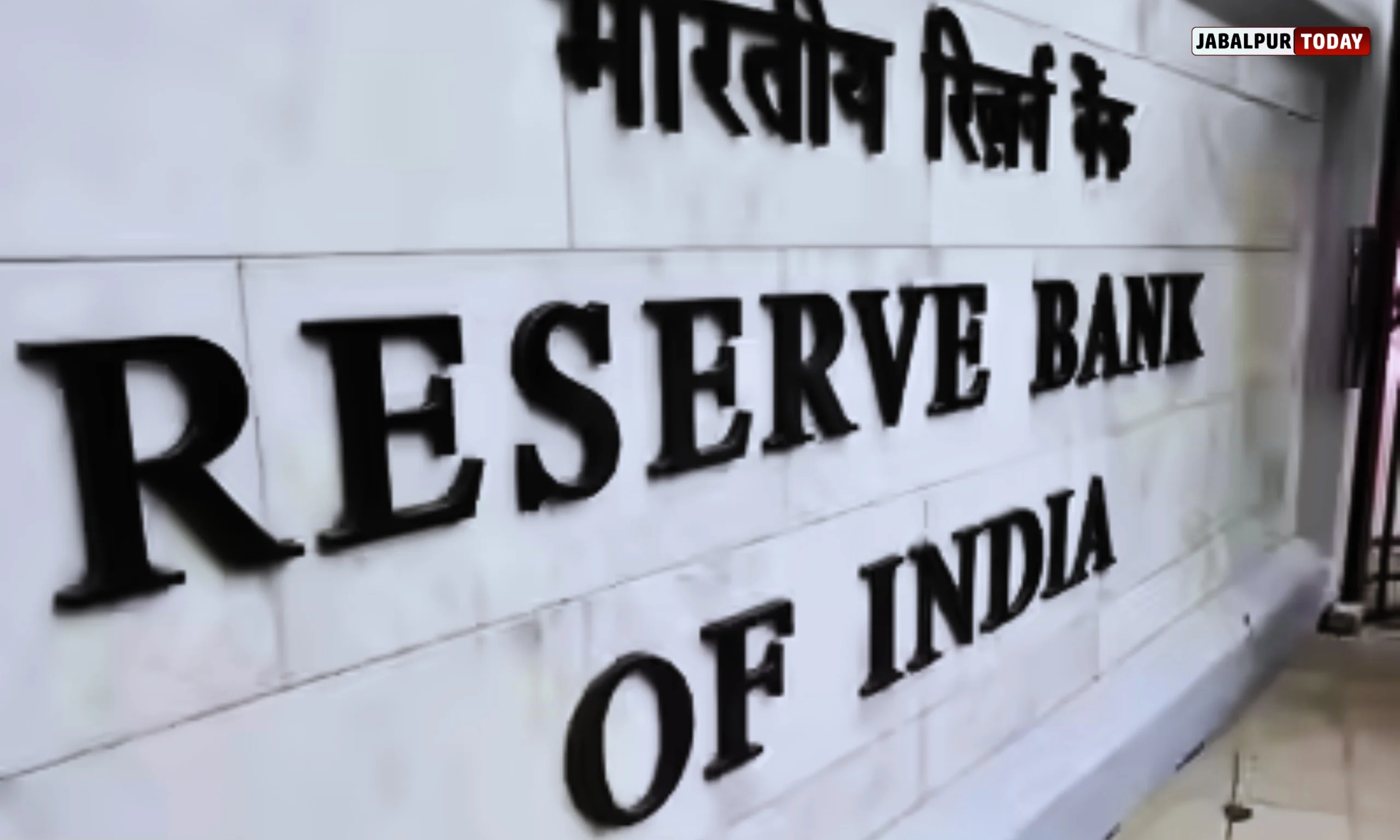
February 2026 MPC meeting: RBI maintains repo rate at 5.25%. Governor Malhotra highlights stable inflation, strong growth outlook, and a resilient Indian economy.
New Delhi: The Reserve Bank of India (RBI) kept its key policy repo rate unchanged at 5.25% in the February 2026 Monetary Policy Committee (MPC) meeting. The decision signals stability amid low inflation and strong economic growth. RBI Governor Sanjay Malhotra announced the unanimous decision on Friday. The MPC also maintained a ‘neutral’ policy stance to allow flexibility in response to changing conditions.
The MPC met from February 4 to 6 and reviewed domestic and global economic conditions before deciding to pause. This was the first policy review after the Union Budget. It followed cumulative rate cuts of 125 basis points since February 2025. The last cut of 25 basis points in December 2025 brought the repo rate to its current level.
“Based on a comprehensive review of the domestic macroeconomic conditions and the outlook, the MPC is of the view that the current policy rate is appropriate,” Governor Malhotra stated during the announcement. He emphasized that “domestic inflation and growth outlook remain positive” and that the “Indian economy remains resilient.”
Consequently, the Standing Deposit Facility (SDF) rate stays at 5.00%, while the Marginal Standing Facility (MSF) rate and Bank Rate remain at 5.50%. The decision aligns with the RBI’s mandate to keep inflation at 4% with a ±2% tolerance band.
Economic Projections and Outlook
The RBI projected FY26 GDP growth at 7.4%, marking an upward revision due to sustained economic momentum. India is expected to grow at over 7% in the current fiscal year. This keeps it as the world’s fastest-growing major economy. This positive outlook is supported by strong public-sector capital spending and recent trade agreements with the US and EU. These agreements reduced tariffs on Indian exports from 50% to 18%, improving global competitiveness.
On inflation, the central bank has forecast 2.1% for FY26. It noted that Consumer Price Index (CPI) inflation fell to its lowest level in October 2025. The RBI said recent changes in its inflation outlook are mainly due to fluctuations in gold and silver prices. These changes are not linked to food items such as onions and tomatoes. Revised CPI weightings may slightly affect headline inflation, but the overall index is expected to remain stable.
Governor Malhotra pointed to global uncertainties, including weakness in the U.S. labor market and possible Federal Reserve rate cuts. These factors could affect capital flows. The rupee has weakened by 5.8% against the dollar since U.S. tariff hikes in April 2025. However, it strengthened after the India–U.S. trade deal. Projections suggest the rupee could fall to 92 by the end of the year, with a possible interim rise to 89.
Reasons Behind the Pause
The MPC’s choice to hold rates stems from a balanced assessment: benign inflation allows breathing room, while strong growth reduces the need for further easing. The Union Budget’s ₹17.2 trillion borrowing program underscores the focus on liquidity management and yield-curve stability. The RBI is shifting emphasis to tools like Open Market Operations (OMO) to ensure effective monetary transmission, given dependencies on eligible securities.
External factors, such as rebounding metal prices and the Geo-Economics Stress Index signaling lagged strains, add caution. The central bank aims to monitor the impacts of trade deals and build foreign exchange reserves, currently with a forward book of about USD 66 billion as of November 2025.
Additional Measures Announced
Beyond rates, the RBI proposed exempting NBFCs with assets below ₹1,000 crore from registration to ease regulatory burdens. It also released draft norms for cyber frauds to strengthen financial system resilience. These steps aim to enhance operational efficiency and security in the banking sector.
Impacts on Borrowers, Markets, and Sectors
The unchanged repo rate means no immediate changes to home loan EMIs, offering relief and stability to borrowers. Real estate leaders have welcomed the move, stating it provides a supportive backdrop for the sector, which is sensitive to interest rate fluctuations.
Markets had largely anticipated the pause, with no pressing inflation or growth concerns. The decision reinforces policy continuity, potentially stabilizing bond yields and currency movements.
Governor Malhotra concluded by noting a “cautious, wait-and-watch approach,” with the RBI ready to act based on incoming data. The next MPC meeting is scheduled for April 2026. This announcement reflects the RBI’s confidence in India’s economic trajectory while maintaining vigilance on global risks.
Also Read on jabalpur today: Punjab AAP Leader Lucky Oberoi Shot Dead Outside Jalandhar Gurdwara: 5–13 Bullets Fired in Daylight Attack, Probe Underway

Mansi Sharma is a journalist covering Global Affairs, and wellness, known for turning complex ideas into sharp, engaging narratives. Her work is driven by curiosity, depth, and a constant urge to question and explore. When she’s not writing, you’ll often find her diving into new ideas—preferably with a cup of coffee in hand, one sip at a time.