
Rajasthan showcases ODOP products from 41 districts and 24 GI-tagged items at IITF 2026, with pavilion sales exceeding ₹50 lakh
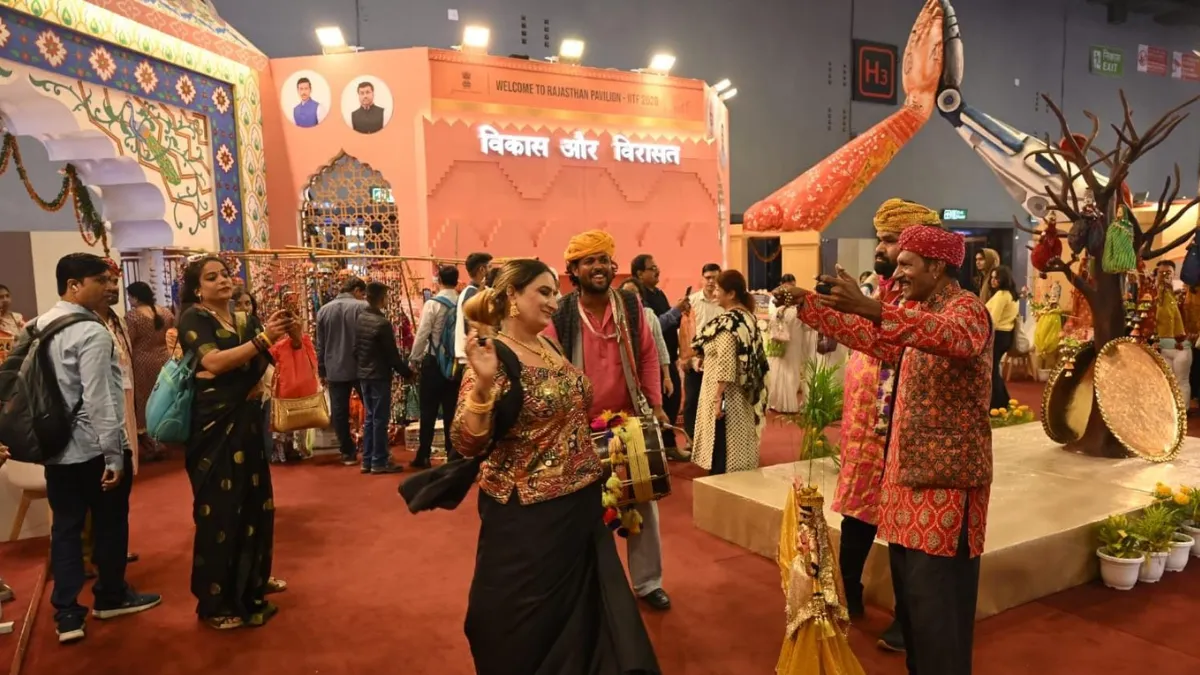
New Delhi: Rajasthan showcased its traditional products, handicrafts and locally manufactured goods from across the state at the 45th India International Trade Fair (IITF) 2026 in New Delhi. The Rajasthan Pavilion recorded sales exceeding ₹50 lakh during the 14-day event at Pragati Maidan, attracting lakhs of visitors.
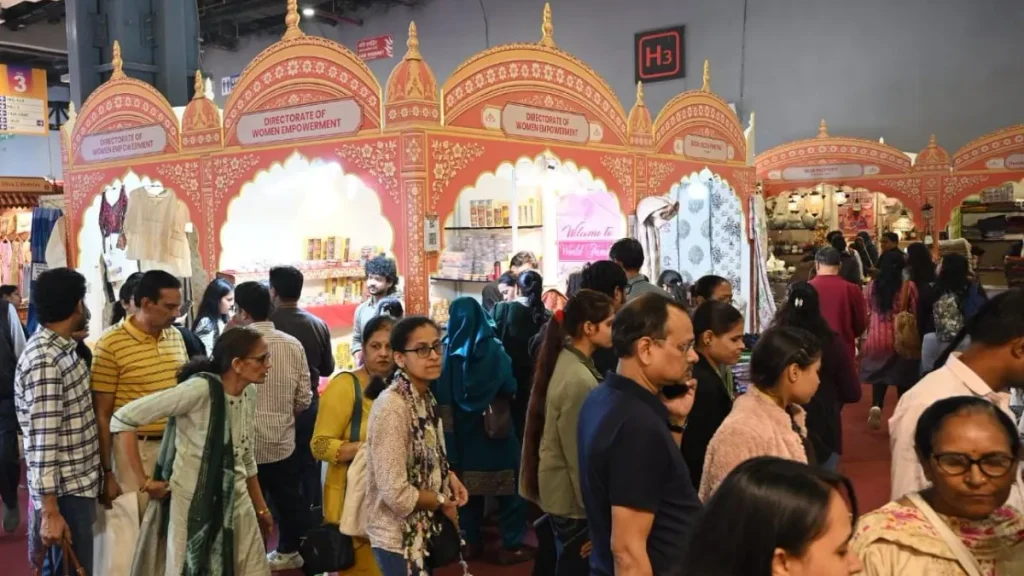
The pavilion highlighted products covered under the state’s One District One Product (ODOP) initiative, featuring items from all 41 districts of Rajasthan. It also displayed 24 products that have received Geographical Indication (GI) tags, bringing attention to the state’s traditional craftsmanship and regional specialities.
Harsh Sharma, Director of the Rajasthan Pavilion, said Jaipur quilts, traditional handicrafts, ethnic wear and local food products were among the most popular items. Their demand contributed significantly to the business generated during the exhibition.
The showcase reflected the Rajasthan government’s vision of a ‘Viksit Rajasthan’, as envisioned by Chief Minister Bhajanlal Sharma. A total of 44 stalls gave artisans, entrepreneurs, manufacturers and women-led self-help groups a platform to display their products, engage with customers and explore new market opportunities.
The pavilion also followed the IITF 2026 theme, ‘Vikas Bhi, Virasat Bhi’ (Development as well as Heritage), by combining traditional Rajasthani architecture with modern technology. Architectural attractions such as the ‘Peacock Gate’ and ‘Namaste Gate’ received attention from visitors.
Technology-based installations, including an AI-powered digital Jharokha, a puppet kiosk, a selfie Jharokha and 3D printing displays, further highlighted the state’s efforts to present its heritage through contemporary formats.
The pavilion also received international delegations from several countries. The visiting representatives appreciated Rajasthan’s cultural heritage, interacted with artisans and explored the state’s traditional products and manufacturing practices.