

Nikon’s new Z5IIC combines a 24.5MP full-frame sensor, advanced autofocus, 4K video and in-body stabilisation in a lighter, more affordable body without an electronic viewfinder
New Delhi: Nikon has officially unveiled the Z5IIC, a compact and more affordable full-frame mirrorless camera designed to make its Z-mount system easier to enter. Announced on September 24, 2026, the camera offers the main imaging capabilities of the Z5II in a simpler and lighter body. Nikon has removed the electronic viewfinder to reduce the camera’s size, weight and price.
Nikon aims the Z5IIC at smartphone users, APS-C camera owners and first-time full-frame buyers who want the image quality and low-light performance of a larger sensor without paying for a higher-end camera or dealing with a more complex body.
The “C” designation highlights the camera’s more casual, screen-focused design. Nikon launched the standard Z5II in April 2025 with a bright OLED electronic viewfinder, two UHS-II SD card slots and a higher-resolution rear screen. The Z5IIC removes these features to make the camera smaller, lighter and less expensive.
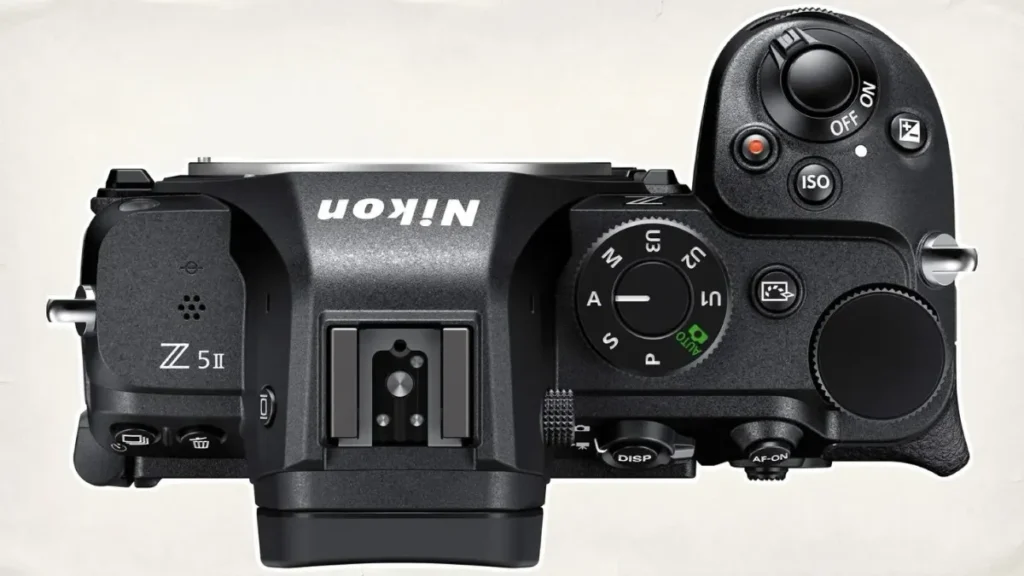
The new camera uses a magnesium-alloy body with weather sealing, a large grip and the same 24.5-megapixel full-frame backside-illuminated sensor and EXPEED 7 processor found in the Z5II and several more expensive Nikon cameras.
Nikon Makes Full-Frame More Accessible
Full-frame cameras have traditionally cost more because they use larger sensors that can deliver a shallower depth of field, better high-ISO performance and strong image quality. Nikon made full-frame cameras more accessible with the original Z5 in 2020. The Z5II later added faster processing and advanced autofocus.
The Z5IIC continues this approach by targeting people who mainly use a rear screen to compose photos and videos. It also suits people who want to travel light, photograph everyday moments or create both photos and videos.
For the first time on a full-frame Z-series camera, Nikon has added Scene Modes. These modes automatically adjust settings for situations such as portraits, pets, food and night landscapes.
The camera also adds fish detection to its subject-recognition system. The autofocus system already recognizes people, dogs, cats, birds, vehicles and aircraft.
These features, along with the lower price, can make the move from a smartphone or crop-sensor camera easier for beginners.

What Has Changed From the Z5II?
The biggest change is the removal of the electronic viewfinder. Users must compose images through the 3.2-inch fully articulating touchscreen.
The Z5IIC uses a lower-resolution screen than the Z5II. It has about 1.04 million dots, while the Z5II has about 2.1 million dots. Nikon has made this change to help reduce costs.
The camera also has one UHS-II SD card slot instead of the two slots on the Z5II.
Nikon has made the new body flatter on top and about 80 grams lighter. The Z5IIC weighs around 620 grams with the battery and memory card, compared with about 700 grams for the Z5II.
The camera measures approximately 134 × 80.5 × 72 mm.
However, Nikon has kept most of the features that directly affect image quality. The Z5IIC uses the same sensor and EXPEED 7 processor. It also offers 5-axis in-body image stabilization rated at up to 7.5 stops at the centre of the frame, similar continuous shooting speeds and most of the Z5II’s main video features.
Nikon will offer the camera in black and a silver “panda” finish.
Sensor, Processor and Image Quality
The Z5IIC uses a 24.5-megapixel full-frame BSI CMOS sensor measuring approximately 35.9 × 23.9 mm.
Nikon also uses this sensor in the Z5II and earlier cameras such as the Zf. The camera combines the sensor with the EXPEED 7 processor, which Nikon also uses in its flagship Z9 and Z8 models.
The camera offers a standard ISO range of 100 to 64,000 for still photography, with higher expanded settings available. For video, the ISO range reaches up to 51,200.
The sensor and processor combination helps control image noise and gives photographers the main benefits of a full-frame sensor. These include strong dynamic-range potential, smoother background blur and better performance in low light compared with many APS-C and Micro Four Thirds cameras.
The in-body Vibration Reduction system provides up to 7.5 stops of correction at the centre and around 6 stops at the edges. This allows photographers to use slower shutter speeds while shooting handheld.
The camera also uses Focus-point VR, which concentrates stabilization around the active focus area.
Nikon has retained pixel-shift multi-shot photography. This feature allows users to create higher-resolution images when both the camera and subject remain still.
For JPEG and HEIF images, Nikon provides its Picture Control system and downloadable Imaging Recipes through Nikon Imaging Cloud.
A dedicated Picture Control button allows users to quickly change the image look. Photographers can also use the Flexible Color tools in NX Studio to customize their images and transfer those settings back to the camera.

Autofocus Offers Advanced Features
Autofocus is one of the Z5IIC’s major features. Nikon uses deep-learning subject detection to recognize several types of subjects, including the newly added fish category.
The autofocus system can detect subjects even when they occupy a small part of the frame. It can also continue tracking subjects as they move unpredictably.
The camera supports 3D Tracking. It also becomes the first full-frame Nikon camera to offer AF-A mode, which automatically changes between single autofocus and continuous autofocus depending on how the subject moves.
The camera can focus in low light down to approximately –10 EV under ideal conditions. This gives it a major advantage over older entry-level full-frame Nikon models.
The EXPEED 7 processor also helps the camera focus faster and more reliably than the original Z5.
For people who shoot videos or create vlogs, face and eye detection continue to work during video recording.
Burst Shooting and Still Photography
The mechanical shutter can shoot at around 11–14 frames per second with RAW files. With the electronic shutter, the camera can capture JPEG images at up to 30 frames per second.
The pre-release capture feature can record images for up to one second before the photographer fully presses the shutter button. This can help users capture sudden or fast-moving moments.
The camera also provides a deep enough buffer for practical action photography.
The mechanical shutter reaches speeds of up to 1/8000 second, while the electronic shutter offers additional options.
Nikon has also included portrait-focused features such as Rich Tone Portrait and Skin Softening.

Video Features for Content Creators
Nikon has given video an important role in the Z5IIC.
The camera can record 4K UHD video at up to 60 frames per second. The higher frame-rate setting applies a 1.5× crop. It can also record full-width 4K video at 30 frames per second.
Full HD recording reaches 120 frames per second for slow-motion footage. The camera also offers built-in 4× and 5× slow-motion options.
The Z5IIC supports internal 12-bit N-RAW recording to the SD card. It also supports 10-bit H.265, N-Log and HLG.
Users can apply free RED-developed LUTs to create cinematic looks.
Nikon has added several features for content creators, including a recording lamp, a product-review autofocus mode and a video self-timer.
The fully articulating touchscreen can face forward, which makes the camera useful for vlogging and selfies.
The USB-C port supports powered operation and webcam-style streaming.
The camera also includes microphone and headphone ports.
The single SD card slot remains the main limitation for people who record long or important video projects. Users who need backup recording will likely prefer the dual-slot Z5II.

Design, Handling and Build Quality
Although Nikon has removed the electronic viewfinder, the Z5IIC still has a large grip and a control layout similar to other recent Nikon mirrorless cameras.
The camera keeps important buttons within easy reach for right-handed users.
The magnesium-alloy body includes protection against dust and water droplets.
The lower-resolution touchscreen still supports full articulation and touch controls. However, users who regularly check critical focus or shoot outdoors in bright sunlight may find the Z5II’s higher-resolution screen more useful.
The Z5IIC uses Nikon’s EN-EL15c battery.
USB Power Delivery allows users to charge and operate the camera using external power banks.
The camera supports Wi-Fi and Bluetooth for SnapBridge image transfers and remote control.
The Z mount supports Nikon’s NIKKOR Z lens range. Photographers can also use older F-mount lenses with the FTZ or FTZ II adapter, although autofocus performance can vary depending on the lens.
Price, Kits and Availability
The Nikon Z5IIC starts at approximately $1,399.95 in the United States for the body only.
A kit that includes the compact NIKKOR Z 24-50mm f/4-6.3 lens costs around $1,699.95.
Nikon is expected to offer additional kits with other zoom lenses.
The camera is scheduled to become available in mid-October 2026 in black and silver finishes.
Regional prices, including an expected price of around £1,349 in the UK, follow a similar position compared with the standard Z5II.

Who Should Buy the Nikon Z5IIC?
The camera suits photographers and creators who:
- Want full-frame image quality and strong low-light performance without paying for an electronic viewfinder they rarely use.
- Want a lighter body for travel, street photography and everyday use.
- Want to move from a smartphone or APS-C camera to full-frame photography.
- Value Scene Modes and strong subject-detection autofocus.
- Shoot both photographs and 4K video.
- Can work comfortably with a single memory-card slot.
The camera may not suit photographers who regularly use an electronic viewfinder for stability while shooting with long lenses, sports photography or composing in bright sunlight.
Photographers who need two memory-card slots, a brighter electronic viewfinder or a higher-resolution rear screen can consider the standard Z5II instead.
What the Nikon Z5IIC Means for Full-Frame Cameras
The Z5IIC arrives as camera makers continue to bring full-frame features to a wider audience.
Nikon has removed the electronic viewfinder and several other features to create a smaller and more affordable body. The result comes closer in size and price to advanced APS-C and some Micro Four Thirds cameras while still offering a full-frame sensor and the EXPEED 7 processor.
Reviews of the Z5II have already highlighted its value and autofocus performance. The Z5IIC takes a different approach by removing some features in exchange for a simpler and more accessible camera.
People looking for their first full-frame camera can consider several key features: the 24.5-megapixel sensor, strong still-image performance, capable 4K video, subject-detection autofocus, in-body stabilization, internal N-RAW recording, a weather-sealed body and a relatively lower price.
The missing electronic viewfinder and single memory-card slot remain the biggest compromises. Their importance depends on how and where each photographer plans to use the camera.
The Nikon Z5IIC does not completely change the full-frame camera market. Instead, Nikon has taken a capable full-frame camera and made it lighter, simpler and easier to access.
For enthusiasts and hybrid creators who prefer composing on a screen and want a portable full-frame camera, the Z5IIC offers a different way to enter Nikon’s full-frame Z system.
