
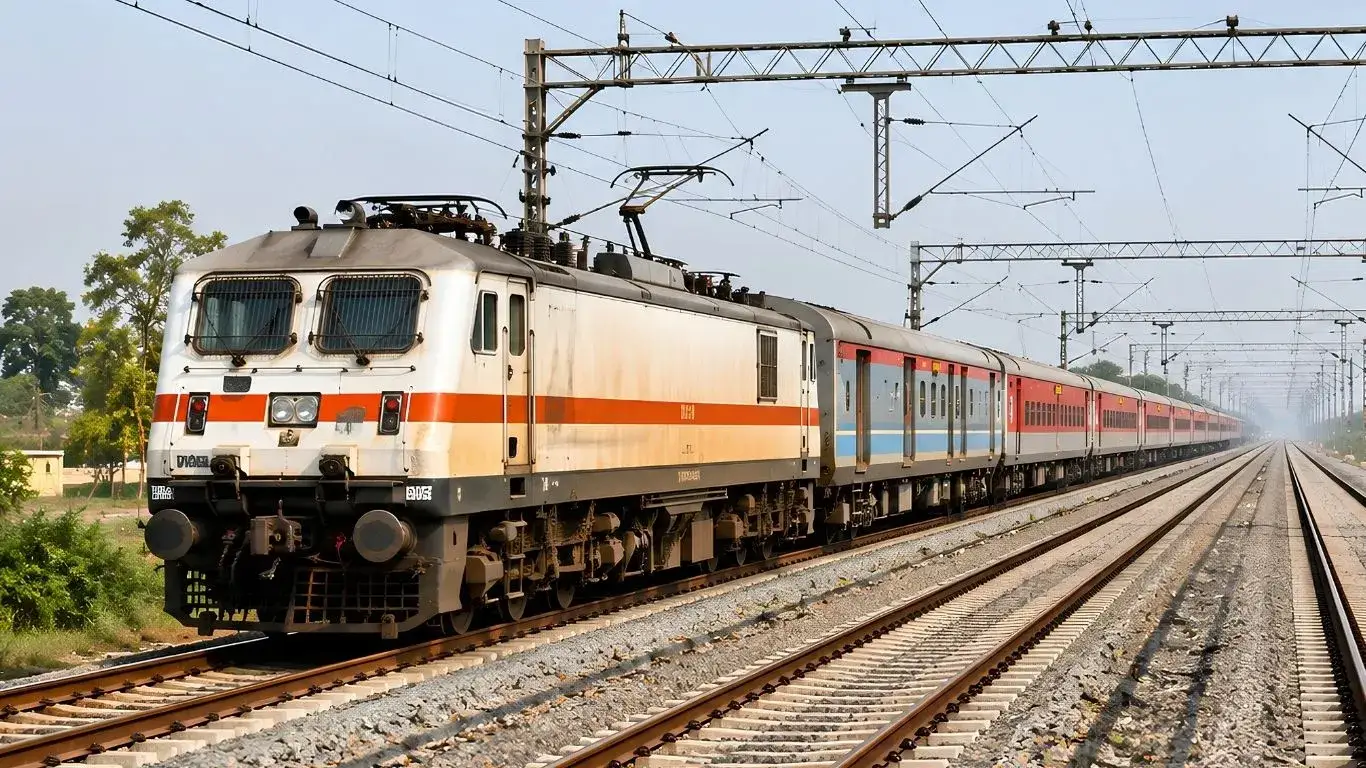
Cabinet approves ₹9,450 crore railway projects across 4 states, adding 410 km of tracks to cut congestion, boost freight capacity by 76 MTPA and improve connectivity
New Delhi: The Cabinet Committee on Economic Affairs (CCEA), chaired by Prime Minister Narendra Modi, approved four multi-tracking projects of the Ministry of Railways on Wednesday. The projects will cost around ₹9,450 crore in total and will add about 410 kilometres to the Indian Railways network.
The government plans to complete all four projects by 2030-31. The projects aim to reduce congestion on some of India’s busiest railway routes and encourage more freight movement from roads to railways.
The government will implement these projects as part of its wider capacity-expansion programme under the PM Gati Shakti National Master Plan. The additional tracks will increase railway capacity, reduce congestion, improve train operations and make services more reliable. They will also support smoother movement of people, goods and services through different modes of transport.
The Four Railway Projects at a Glance
The approved package includes three fourth-line projects and one project that will add both a third and fourth line across West Bengal, Odisha, Andhra Pradesh and Tamil Nadu.
- Kharagpur–Bhadrak (Ranital) fourth line: The project will cover 173 km across West Bengal and Odisha and will cost around ₹3,352 crore.
- Bhadrak–Haridaspur fourth line: The project will cover 75 km entirely in Odisha and will cost around ₹1,583 crore.
- Gummidipundi–Gudur third and fourth lines: The project will cover 90 km across Andhra Pradesh and Tamil Nadu and will cost around ₹2,229 crore.
- Cuttack–Paradeep (Badabandha) third and fourth lines: The project will cover 72 km in Odisha and will cost around ₹2,286 crore.
The projects will improve rail connectivity across eight districts and benefit around 6,448 villages with a combined population of about 60 lakh people.
Why These Railway Corridors Matter
The Kharagpur–Bhadrak and Bhadrak–Haridaspur sections form part of the high-density Howrah–Chennai main line. This route carries heavy passenger and freight traffic between eastern and southern India.
The Cuttack–Paradeep section plays an important role in moving cargo to and from ports. The Gummidipundi–Gudur corridor forms part of the Chennai–Howrah and southern railway network and handles increasing container and industrial traffic.
Trains on these routes carry important commodities such as coal, iron ore, cement, iron and steel, containers, automobiles and food grains.
The government expects the additional railway capacity to handle 76 million tonnes per annum (MTPA) of extra freight traffic.
The additional capacity can reduce logistics costs for industries, improve wagon turnaround times and create more space on railway routes for passenger trains.
The Bhadrak–Haridaspur section has already operated close to its capacity in recent years. The fourth line should therefore provide significant relief to the congested route.
The Kharagpur–Bhadrak project also involves major construction work. It will include a 564-metre bridge over the Subarnarekha River, along with several major and minor bridges, road-over-bridges and road-under-bridges. These structures show the scale of engineering work that the project will require.
How the Projects Can Benefit Passengers and Local Areas
The projects will not only support freight movement. They will also improve daily travel for millions of people living across the eastern and southern coastal regions.
Lower congestion can help mail, express and local trains run more punctually. Better railway connectivity can also create employment and self-employment opportunities during construction.
After the projects become operational, improved rail links can give people easier access to markets, schools, colleges and healthcare facilities.
The projects can also support tourism and pilgrimage.
The government expects better rail connectivity to benefit destinations such as:
- Kuldiha Wildlife Sanctuary
- Bhitarkanika National Park
- Chandipur Beach
- Talsari-Udaypur
- Pulicat Lake
- Nelapattu Bird Sanctuary
- Lalitgiri Buddhist site
- Panchalingeswar Temple
- Dhabaleswar Temple
- Maa Bhadrakali Temple
- Several other tourist and religious destinations
Better last-mile connectivity can help spread tourist traffic across more destinations and support businesses and local economies around these places.
How the Projects Can Help the Environment
Indian Railways uses less energy and produces fewer emissions than road transport when it moves large quantities of cargo.
The four projects will allow more freight to travel by rail instead of road. The government expects this shift to produce significant environmental benefits.
According to official projections, the projects could save around 13 crore litres of oil imports every year and reduce carbon dioxide emissions by approximately 65 crore kg annually.
The government equates this reduction with the carbon sequestration provided by around 2.60 crore trees.
These benefits support India’s wider efforts to reduce logistics costs as a share of GDP, lower dependence on imported fuel and meet its climate commitments.
The projects therefore combine railway modernisation with industrial growth, lower transport costs and environmental sustainability.
How the Projects Fit Into India’s Infrastructure Strategy
The government has placed the multi-tracking package under the PM Gati Shakti National Master Plan. The plan promotes integrated infrastructure planning, multimodal connectivity and coordination among different stakeholders.
The projects will also benefit from the expansion of railway electrification. By adding capacity to electrified or electrification-ready routes, Indian Railways can make greater use of electric traction and improve energy efficiency.
The government said the additional line capacity will improve mobility, operational efficiency and service reliability.
The projects can also create more employment opportunities and support broader economic development in the regions they cover.
Completion Timeline and Funding
The government has set 2030-31 as the completion deadline for all four projects.
The Ministry of Railways will fund the projects through its capital budget.
The Railways will need to complete several important steps to meet the deadline. These can include land acquisition, environmental clearances, coordination with state governments and effective project management.
Previous multi-tracking projects have shown that construction can move faster after authorities secure the necessary clearances, especially on sections that already carry heavy traffic.
What to Watch as Work Progresses
The implementation of these projects will remain important over the next few years. Key developments to watch include:
- Progress on each project, especially the longer Kharagpur–Bhadrak and Gummidipundi–Gudur stretches.
- Growth in actual freight volumes after the new lines become operational.
- Changes in passenger train punctuality and the possibility of new train services.
- Integration with port connectivity projects at Paradeep and other east-coast terminals.
- Reduction in road congestion and logistics costs for industries that transport steel, coal and containers.
What the ₹9,450 Crore Railway Package Means
The ₹9,450-crore multi-tracking package marks an important step in the government’s effort to build higher-capacity, more reliable and cleaner railway corridors in eastern and southern India.
The four projects will add around 410 km of railway tracks, create capacity for 76 MTPA of additional freight, and improve connectivity for about 60 lakh people across 6,448 villages.
The projects will address current congestion while creating additional capacity for future economic growth.
Construction will continue over the next four to five years. The pace and quality of execution will determine how quickly passengers, industries and local communities see the benefits of the government’s approval.
