
PCOS is now PMOS after experts said the old name was misleading. The change aims to improve diagnosis, awareness and care for women worldwide
New Delhi: For nearly 90 years, millions of women across the world lived with a medical condition called Polycystic Ovary Syndrome (PCOS). On May 12, 2026, scientists officially changed its name to Polyendocrine Metabolic Ovarian Syndrome (PMOS) after experts concluded that the old name was medically misleading and failed to explain the true nature of the disorder. The announcement was made at the European Congress of Endocrinology in Prague and published in The Lancet. Experts say the change could improve diagnosis, awareness, treatment, and research for more than 170 million women worldwide.
Why the Name PCOS Was Considered Wrong
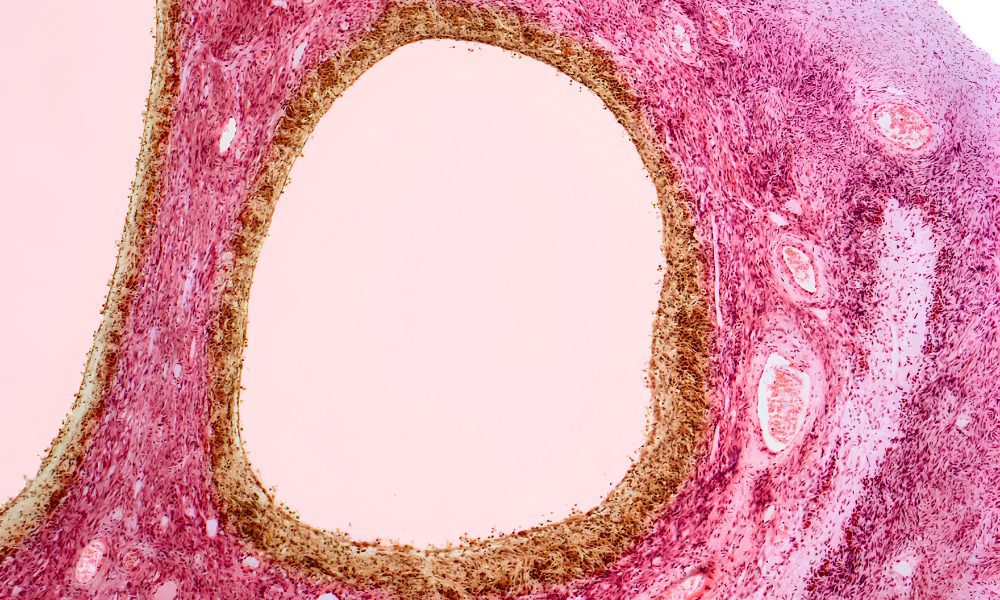
Doctors first identified the condition in the 1930s. At that time, physicians observed ovaries during surgery and believed they saw multiple cysts on them. Because of this appearance, they named the condition “polycystic ovary syndrome.”
However, experts now say those structures were not actually cysts.
According to researchers, doctors were seeing immature follicles — normal structures inside the ovary that fail to develop properly because of hormonal imbalance. These follicles do not have the characteristics of true medical cysts.
Despite this, the term “PCOS” remained in medical textbooks and healthcare systems for decades.
Experts now believe the name caused major confusion because it made people think the disorder only affected ovaries and fertility, while the condition actually affects the entire hormonal and metabolic system.
What PMOS Actually Means
The new name — Polyendocrine Metabolic Ovarian Syndrome (PMOS) — reflects the real nature of the condition.
Experts say PMOS is mainly a hormonal and metabolic disorder, not just an ovarian condition.
The disorder can affect:
• Hormones
• Weight and metabolism
• Blood sugar regulation
• Heart health
• Mental health
• Skin and hair
• Menstrual cycles
• Fertility
Researchers described PMOS in The Lancet as a “complex multisystem condition.”
The condition affects more than 170 million women globally, which means nearly one in eight women may experience it.
In India, studies estimate that PMOS affects between 9% and 36% of women of reproductive age.
Despite being extremely common, experts say the condition remained underdiagnosed and poorly understood for decades.
Why the Old Name Caused Problems
Medical experts believe the name PCOS prevented many women from getting proper diagnosis and treatment.
Because the condition focused heavily on ovaries and fertility, doctors often ignored other major symptoms and risks linked to the disorder.
Women visited doctors with:
• Irregular periods
• Weight gain
• Acne
• Hair fall
• Excess facial hair
• Fatigue
• Mental health struggles
But many were told nothing was wrong because doctors could not see “cysts” on their ovaries.
Researchers say the fertility-focused name also caused stigma and emotional stress, especially in societies where fertility is strongly linked to social expectations.
The condition’s metabolic risks — including diabetes, high blood pressure, insulin resistance, and heart disease — also received less attention because the disorder was mainly treated as a reproductive issue.
According to The Lancet, nearly 70% of women with the condition remain undiagnosed worldwide.
How the Name Change Happened
The effort to rename PCOS took nearly 14 years.
In 2012, the US National Institutes of Health (NIH) officially recommended changing the name because experts believed it was medically inaccurate and confusing.
However, reaching global agreement proved difficult.
Professor Helena Teede from Monash University in Australia led the international effort along with Professor Terhi Piltonen and Dr. Anuja Dokras.
Together, they created the Global Name Change Consortium.
The process involved:
• 56 international organisations
• Doctors and researchers
• Patient advocacy groups
• Women living with the condition
• Surveys conducted across six continents
Researchers consulted nearly 22,000 people over 11 years.
Most participants wanted:
• A scientifically accurate name
• Less stigma
• Better understanding of hormonal and metabolic effects
• Removal of the misleading word “cyst”
After years of discussions and consultations, experts finalised the name PMOS.
Experts Say the Change Is About More Than Words
Professor Helena Teede said the old name prevented many women from receiving proper care.
She explained that there was “no increase in abnormal cysts” and said the condition’s broader hormonal and metabolic effects were often ignored.
Dr. Melanie Cree from the University of Colorado Anschutz said the change recognises the “full reality” of what patients experience.
She added that the old name created misconceptions and stigma, especially around fertility.
Rachel Morman from Verity UK, who participated in the process as a patient advocate, said the new name finally recognises the hormonal and metabolic dimensions of the disorder.
The Debate Over the New Name
The renaming process also triggered debate among researchers.
Some experts questioned whether the word “ovarian” should remain in the name because researchers are studying whether similar hormonal patterns may also affect men.
However, several patient advocates opposed removing the term completely.
Rachel Morman argued that delaying the name change further would continue harming women who already struggle with low awareness and underfunded research.
In the end, experts decided to retain “ovarian” while removing the misleading reference to cysts.
What Changes Now?
The condition itself has not changed. Women diagnosed earlier with PCOS now technically have PMOS. The symptoms, hormonal imbalance, and health risks remain the same.
What changes is how doctors, researchers, and healthcare systems understand and discuss the condition.
A three-year global transition period has now started.
During this period:
• Medical guidelines will be updated
• Universities and medical schools will revise teaching material
• Global disease classification systems will change
• Awareness campaigns will educate doctors and patients
International health organisations, including the World Health Organization, are also expected to update terminology in official systems.
Why This Matters for Women Worldwide
Experts say the renaming could improve diagnosis and long-term care for millions of women.
The new name highlights that the condition affects the entire body, not just fertility.
Doctors may now focus more on:
• Diabetes screening
• Heart health
• Mental health support
• Hormonal treatment
• Lifestyle management
Researchers also hope the change will increase funding and policy attention for women’s hormonal health.
For many women, especially in countries like India where awareness remains low, the shift from PCOS to PMOS represents recognition after decades of misunderstanding.
A Bigger Question for Modern Medicine
The change from PCOS to PMOS also raises larger questions about medical terminology. Experts say many conditions were named decades ago before science fully understood them.
Researchers behind the PMOS transition believe inaccurate names can delay diagnosis, limit treatment, and create stigma for generations.
The PMOS renaming process is now being viewed as one of the largest and most patient-inclusive disease renaming efforts in medical history.
After nearly 90 years, one of the world’s most misunderstood women’s health conditions finally has a name experts believe better reflects reality.

Prateeksha Kumari is a journalist and strategic communications professional specialising in digital journalism, political reporting, and public affairs. Her work focuses on grassroots issues, governance, and civic developments, with an emphasis on clarity, accuracy, and narrative-driven reporting.
She holds a Master’s degree in Journalism and Mass Communication from Himachal Pradesh University, Shimla and has qualified the UGC-NET examination, reflecting her academic grounding in media studies and communication research. Her reporting spans politics, public policy, health, education, and socio-economic issues, and she is experienced in bilingual (Hindi and English) content creation tailored to diverse audiences.
Alongside her journalistic work, she brings experience in political communication and public relations, where she has contributed to campaign messaging, media outreach, and narrative building. She has worked on integrated communication strategies across print and digital platforms, combining editorial judgment with audience insight and data-led content approaches.