
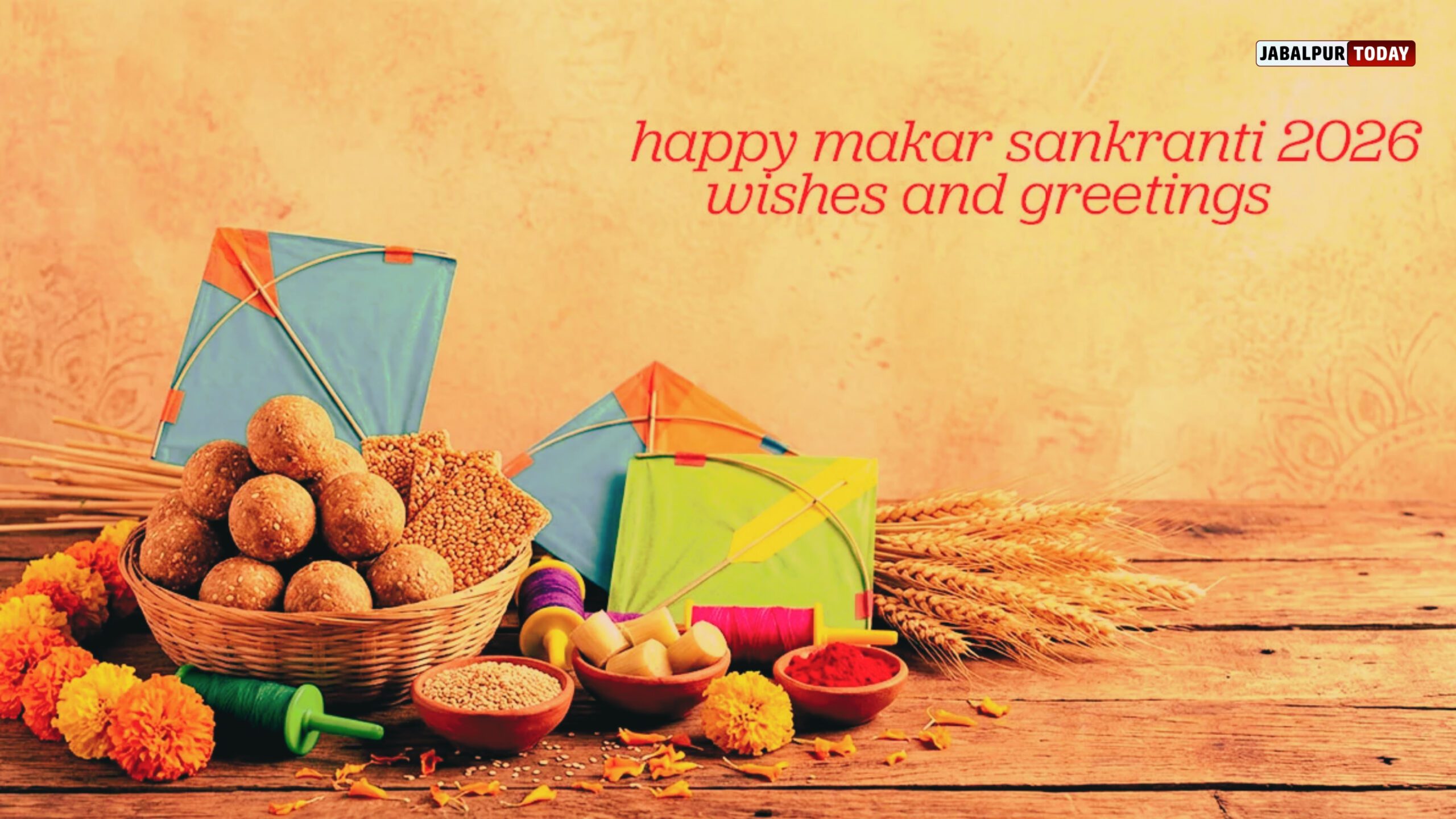
Makar Sankranti 2026 guide: Know the history, rituals, puja timings, regional celebrations, and heartfelt wishes and messages for the harvest festival.
New Delhi: India is celebrating Makar Sankranti 2026 today, January 14 (Wednesday), with joy and enthusiasm. On this day, families and friends exchange warm wishes to celebrate the sun’s movement toward the north, which signals the arrival of longer and warmer days. Makar Sankranti is one of the few Hindu festivals that follows the solar calendar, not the lunar one. It represents new beginnings, prosperity, and the harvest season. The festival is celebrated differently across India—from colorful kite-flying in Gujarat to glowing bonfires in Punjab. Here is a complete guide to the festival, along with meaningful wishes, messages, and quotes to share.
Makar Sankranti 2026 Wishes, Messages, and Quotes
Sharing wishes is an important part of the celebration. Here are some heartfelt messages and quotes to spread happiness:
- “May the rising sun on Makar Sankranti fill your life with joy and prosperity. Happy Makar Sankranti!”
- “Wishing you a blessed and happy festival. May the warmth of Sankranti bring endless happiness.”
- “Just as sesame and jaggery blend into sweetness, may love and happiness fill your life. Happy Makar Sankranti.”
- “May this Makar Sankranti remove all sadness and brighten your life with warmth, joy, and love.”
- “Rise above your worries and fly high like Sankranti kites. Happy Makar Sankranti 2026!”
- “May the Sun show you the path to positivity and success. Wishing you prosperity and harmony.”
- “Harvest joy and success this Makar Sankranti. May your days shine as bright as the sun.”
- “May this beautiful festival bring happiness, peace, and love into your life.”
- “Wishing you a joyful Makar Sankranti 2026 filled with good health, prosperity, and new opportunities.”
- “May this festival inspire you to rise higher and shine brighter.”
History of Makar Sankranti
Makar Sankranti is one of the oldest Hindu festivals, with a history that spans more than 2,000 years. Ancient texts such as the Mahabharata and the Puranas mention this festival. In the Mahabharata, Bhishma Pitamah chose to wait for Uttarayana before leaving his mortal body. The festival has strong ties to agriculture and marks the end of the winter harvest as well as the beginning of spring. Unlike most Hindu festivals that follow lunar cycles, Makar Sankranti follows the movement of the sun. As a result, it usually falls around mid-January every year.
Significance of Makar Sankranti
Makar Sankranti holds deep spiritual and cultural importance. It represents the victory of light over darkness, knowledge over ignorance, and hope over stagnation. The day marks the sun’s entry into Capricorn (Makar Rashi) and begins Uttarayana, which people consider a positive and favorable period marked by longer days and fresh opportunities. In 2026, the festival also coincides with Shattila Ekadashi, which makes the occasion even more auspicious. Many believe that the sun’s energy during this time supports balance, renewal, and growth in life and nature. On a spiritual level, people perform prayers and acts of charity to seek good health, prosperity, and spiritual merit.
You can share these wishes on WhatsApp, social media, or along with images of kites, sweets, and the sun to make the celebration more festive.
Rituals and Puja Timings for Makar Sankranti 2026
The day usually begins with a holy bath, especially in sacred rivers like the Ganga, to cleanse the body and soul. People then perform Surya Puja by offering water, flowers, and prayers to the Sun God. Families prepare special sweets made from sesame seeds and jaggery (tilgul), as these treats provide warmth and support good health during winter. Charity or daan plays an important role on this day, as people believe it brings blessings and good karma. Families also enjoy traditional foods like khichdi, and many view kite flying as a symbol of dreams and ambitions rising high. People believe that chanting Surya mantras brings success and prosperity.
Puja timings for 2026:
▪︎ Sankranti moment: 8:42 AM IST
▪︎ Punya Kaal: 7:13 AM to 5:45 PM
▪︎ Maha Punya Kaal: 7:13 AM to 9:00 AM
Spiritual leader Sadhguru highlights the strong cosmic energy of the day and suggests practicing gratitude toward the sun through meditation for personal renewal.
Regional Celebrations Across India
Makar Sankranti is celebrated across India with different names and traditions:
- Gujarat (Uttarayan): The sky fills with colorful kites, and people cheer “Kai Po Che!” while enjoying foods like undhiyu and chikkis.
- Tamil Nadu: The festival is celebrated as Pongal over four days, featuring kolam designs, boiling rice with milk, and honoring cattle.
- Punjab and Haryana: Lohri and Maghi are celebrated with bonfires, Bhangra and Giddha dances, and treats like rewari and popcorn.
- Assam: Bhogali Bihu includes community feasts and large bonfires called Mejis.
- Uttar Pradesh and Bihar: Known as Khichdi, the day focuses on river bathing, kite flying, and eating khichdi.
- West Bengal: Poush Sankranti is marked by making pithe (rice cakes) and hosting cultural fairs.
In 2026, people are also encouraged to celebrate responsibly by using eco-friendly kites, choosing healthier sweets, and sharing wishes digitally through social media and messaging apps.
As Makar Sankranti 2026 is celebrated across the country, embrace its message of hope, renewal, and positivity, and share these wishes to spread happiness and warmth among your loved ones.
Read More on jabalpur today: Golden Globes 2026 Winners List: ‘Adolescence’ and ‘One Battle After Another’ Share Top Honours with 4 Wins Each

Mansi Sharma is a journalist covering Global Affairs, and wellness, known for turning complex ideas into sharp, engaging narratives. Her work is driven by curiosity, depth, and a constant urge to question and explore. When she’s not writing, you’ll often find her diving into new ideas—preferably with a cup of coffee in hand, one sip at a time.