
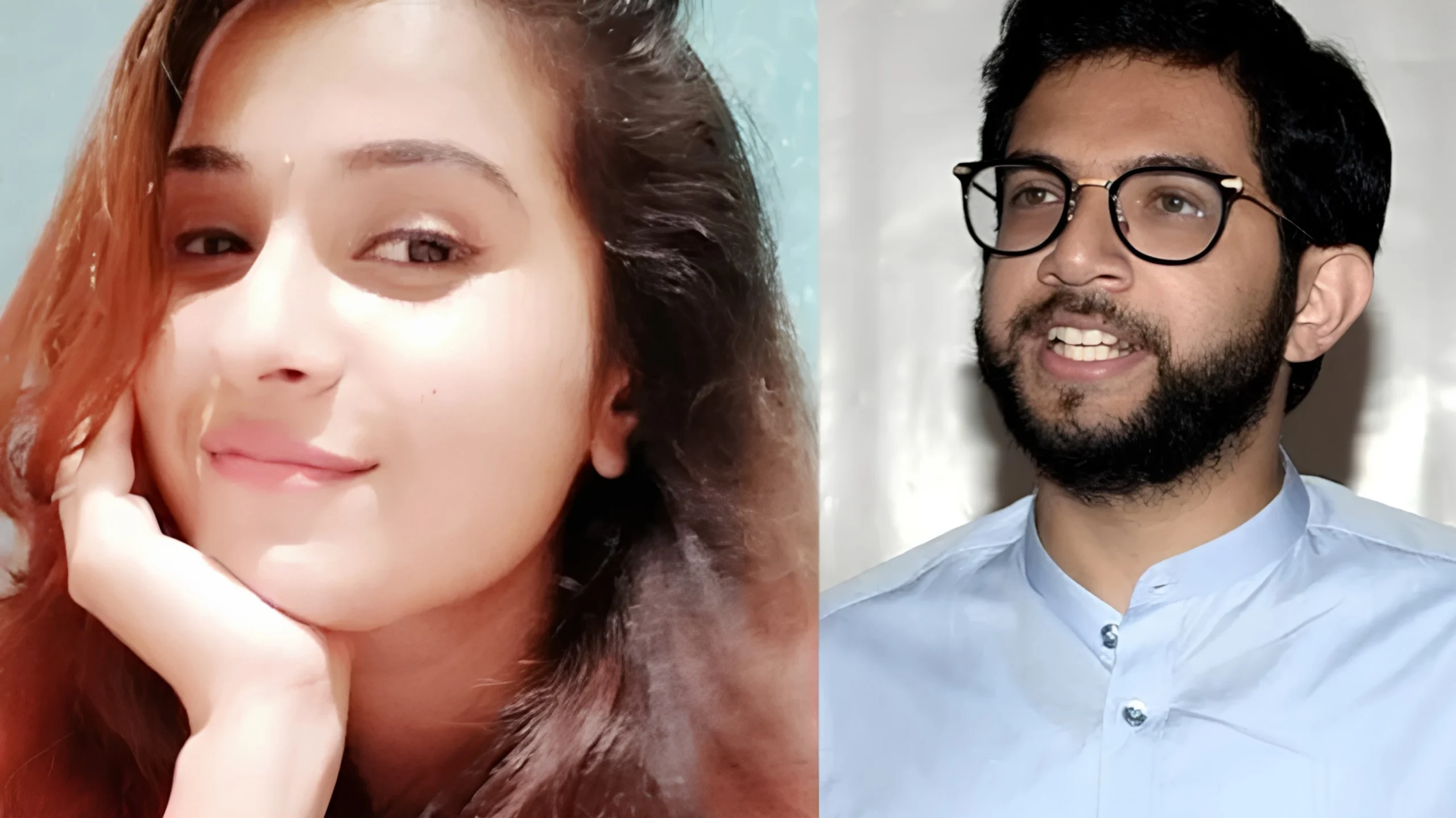
Father Satish Salian had alleged gang-rape, murder and political cover-up in the 2020 death earlier closed as suicide
Mumbai: Six years after Disha Salian, the former manager of actor Sushant Singh Rajput, died after falling from a high-rise building in Mumbai’s Malad, the Bombay High Court on September 2, 2026, ordered a Central Bureau of Investigation (CBI) probe into the circumstances of her death. The order came on a petition filed by her father, Satish Salian, who has alleged that his daughter was gang-raped and murdered and that the initial police inquiry was a cover-up.
A Division Bench of Justices Sarang V. Kotwal and Ranjitsinha Raja Bhonsale directed the CBI to register a First Information Report (FIR), record Satish Salian’s statement, appoint a senior and experienced officer to investigate the case, and take all case papers and material from the Malvani police station. The court also made it clear that the CBI cannot treat anyone as an accused unless the investigation finds enough evidence against that person. If the CBI finds no cognisable offence, it must file an appropriate summary report. Satish Salian can challenge that report through a protest petition.
The order marks a major development in a case that has faced questions over suicide and possible foul play, political allegations, media speculation and its connection with actor Sushant Singh Rajput’s death.
Who Was Disha Salian and How Did She Die?
Disha Salian was a 28-year-old celebrity manager who worked in Mumbai’s talent management industry. She worked with several PR and management agencies and handled publicity and talent coordination. At the time of her death, she worked with Cornerstone, which counted Sushant Singh Rajput among its clients. She was engaged to Rohan Rai and lived with her parents in Dadar while she often stayed at her fiancé’s residence in Malad.
During the intervening night of June 8 and 9, 2020, Disha fell from a high-rise residential building in Jankalyan Nagar, Malad. Reports have placed the fall between the 12th and 14th floors. Her body fell to the ground below. The Malvani police registered an Accidental Death Report (ADR). Mumbai Police later concluded that she died by suicide.
What Happened on the Night of June 8, 2020?
According to accounts from friends and the police inquiry, Disha stayed at her fiancé’s apartment with friends, including Himanshu Shikre. The group had gathered for a belated birthday celebration. Disha had consumed alcohol.
At one point, she spoke about feeling depressed and said that “no one cares for anyone anymore.” After a friend made a remark, she entered a bedroom and locked the door. Her friends knocked on the door, but she did not respond. They then forced the door open and found that she was no longer inside.
The friends looked down from the building and saw her on the ground. She was still alive when they reached her. They took her to hospitals, but doctors declared her dead.
Police later said CCTV footage showed limited movement outside the flat in the days before her death. Police also said Disha had not attended any outside party. Statements from witnesses, including her fiancé, did not indicate foul play at that time.
Initial Police Probe and Suicide Finding
The Malvani police investigated the death under Section 174 of the Code of Criminal Procedure, which deals with inquiries into the cause of death. Doctors also conducted a post-mortem examination. They initially recorded the cause of death as head injury with multiple injuries and described it as unnatural.
Police said they found no signs of sexual assault. In February 2021, authorities closed the inquiry and concluded that Disha had died by suicide.
Authorities cited several possible factors, including work-related stress during the COVID-19 lockdown, career problems and personal disputes. Later reports also mentioned possible distress over financial issues within the family.
The Shadow of Sushant Singh Rajput’s Death
Disha died six days before Sushant Singh Rajput died by suicide at his Bandra apartment on June 14, 2020. Since Disha had briefly handled parts of his professional work, people linked the two deaths in public discussions and on social media.
Several conspiracy theories emerged. Some alleged a common connection involving drugs, politics and Bollywood. The CBI, which investigated the Sushant Singh Rajput case, did not find evidence connecting the two deaths. Mumbai Police also repeatedly said that the cases had no link.
Father’s Allegations of Rape, Murder and Cover-Up
For several years after Disha’s death, Satish Salian did not publicly accuse anyone of murder. In his early statements, he appeared to accept the police version or remained mostly silent while media speculation continued.
His position later changed. In March 2025, he filed a petition in the Bombay High Court and sought an FIR and a CBI investigation. He alleged that his daughter had faced gang rape and murder. He also alleged that influential people had become involved and that political forces had organised a cover-up.
Satish Salian specifically sought action against Shiv Sena (UBT) leader Aaditya Thackeray. He also criticised the police for not registering an FIR despite his suspicions.
His lawyer, Nilesh Ojha, pointed to several alleged discrepancies. These included the position of Disha’s body, which he claimed lay around 10 feet from the base of the building. He argued that this position did not match a straight fall. He also raised questions about her injuries, clothing and the police decision to continue a limited Section 174 inquiry instead of starting a full criminal investigation under the Indian Penal Code, now replaced by the Bharatiya Nyaya Sanhita.
Political Controversies and Aaditya Thackeray’s Name
The case also became a political issue. Opposition leaders, especially BJP leaders, repeatedly raised questions about Disha’s death in the Maharashtra Assembly. They alleged the involvement of “politicians” and connected the case with the Sushant Singh Rajput case.
Aaditya Thackeray’s name appeared in several allegations and social media claims. Thackeray and his supporters rejected these allegations as baseless and politically motivated.
Thackeray also participated in the High Court proceedings through his lawyer. He argued that the allegations had no evidence and that the state’s inquiry process did not violate the law.
The High Court repeatedly said that it was not dealing with political narratives. Instead, the court focused on whether the authorities had conducted a proper investigation into Disha’s death.
Mumbai Police and SIT Findings
Mumbai Police continued to support its original conclusion. In affidavits submitted before the High Court, the police said Disha had taken her own life. They said the post-mortem showed no signs of sexual or physical assault other than injuries that matched a fall.
Police also said Disha faced mental stress and that witness statements and forensic evidence ruled out foul play.
In December 2023, after political pressure, the Maharashtra government formed a Special Investigation Team (SIT) to examine the case again. The SIT also reportedly found no evidence of murder.
The High Court later questioned whether authorities could legally reopen and continue a Section 174 inquiry several years after they had initially closed it.
Bombay High Court Hearings and Key Questions
Satish Salian’s petition faced delays, including cases where judges recused themselves from the proceedings. Hearings became more intense during 2025 and 2026.
Different benches raised several important questions. They asked why the police did not register an FIR when Satish Salian raised suspicions of murder. They also questioned why authorities continued a limited Section 174 inquiry for several years.
The court also examined whether Disha’s injuries matched a fall from the reported height. It looked at questions surrounding the position of her body and the condition of her clothing.
The judges examined the panchnama, photographs and other documents connected with the case. The court rejected arguments that Satish Salian had filed his petition too late. It recognised the trauma of losing a child.
The bench made it clear that it was not deciding whether the allegations were true. Instead, it wanted authorities to follow a proper and lawful process that could help the family find closure.
After several days of hearings, the court reserved its order on August 28, 2026.
September 2, 2026: The Landmark Order
On Wednesday, September 2, 2026, Justices Kotwal and Bhonsale announced their decision.
The court directed the CBI Joint Director for the Mumbai region to appoint a senior and suitably experienced officer to investigate the case. The officer must record Satish Salian’s statement and register an FIR.
The court also ordered the Malvani police to immediately hand over all case papers and physical evidence to the CBI. The investigation must examine all aspects surrounding the circumstances of Disha’s death.
The court made it clear that investigators cannot name or treat anyone as an accused unless they find enough evidence against that person.
If the CBI finds no criminal case, it must file a closure or summary report. Satish Salian can challenge that report.
Satish Salian reacted with both relief and grief after the order. “I have been waiting for this for six years. There is no reason to be happy. I have lost my daughter. I feel relieved today,” he told reporters.
What the CBI Probe Means Going Forward
The High Court’s order does not establish that a crime took place. Instead, it directs an independent and detailed investigation by a central agency. The CBI has greater resources and, in this case, the court expects it to investigate without the local political pressures that the family has alleged.
The CBI will examine the original evidence, forensic material, witness statements, Satish Salian’s allegations and any new evidence that emerges during the investigation.
The investigation could take several months. If investigators find enough evidence to establish a cognisable offence, they can file a chargesheet. If they find no such evidence, they can file a closure report, which the family can challenge.
For the public, the case shows how a private tragedy can become a major public and political controversy. Disha Salian was a young professional working in the highly competitive celebrity management industry.
Her death and the questions surrounding it have raised wider concerns about mental health, the quality of police investigations, media responsibility and the challenges families face when they seek answers amid widespread conspiracy theories.
The Bombay High Court’s order gives Satish Salian the independent investigation he has sought for years. Whether the CBI probe finally answers the questions surrounding June 8, 2020, will depend on the evidence investigators find and the transparency with which they conduct the investigation.
For now, after six years, the case has moved beyond the limited scope of an accidental death inquiry and into the hands of India’s premier investigating agency.
