
Madhya Pradesh will transfer ₹25,000 each to over 1.22 lakh meritorious Class 12 students on September 1, 2026, under the Pratibhashali Vidyarthi Protsahan Yojana. Here’s who qualifies, how the money reaches students, and what to check before the transfer date
New Delhi/Bhopal: On September 1, 2026, the Madhya Pradesh government will transfer ₹25,000 directly into the bank accounts of more than 1.22 lakh Class 12 students. The money will help them purchase laptops.
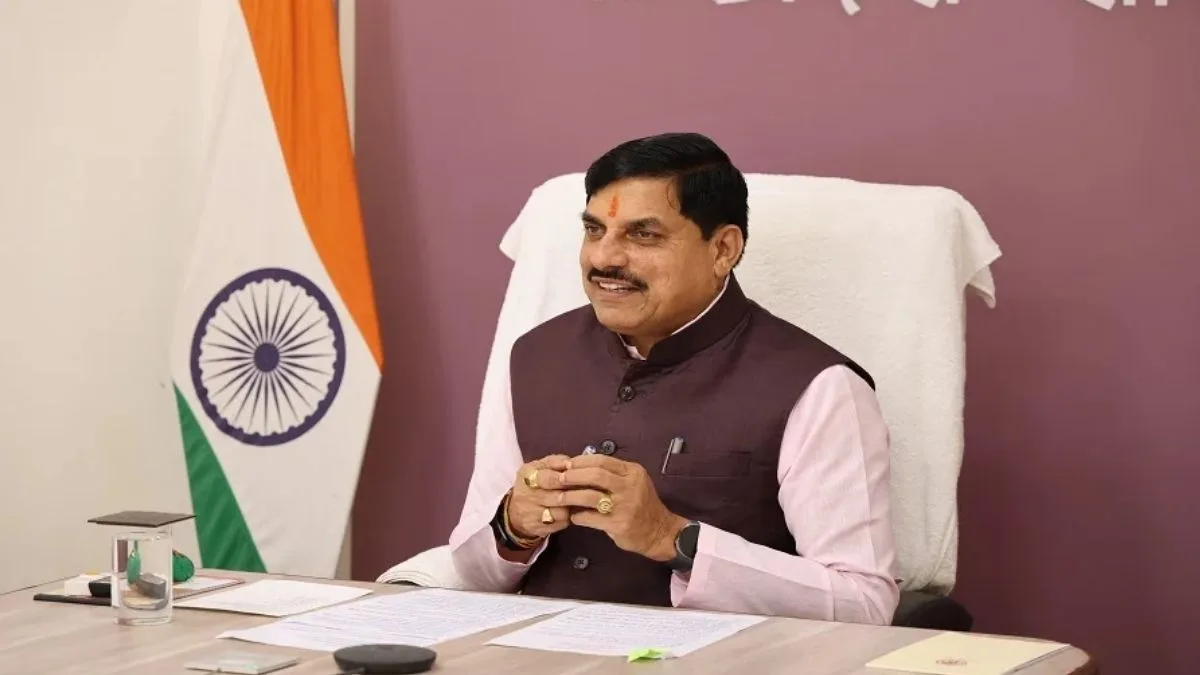
Chief Minister Dr. Mohan Yadav will lead the event, which is expected to be held at the Kushabhau Thakre International Convention Centre in Bhopal.
The payout is part of the Pratibhashali Vidyarthi Protsahan Yojana. Official communication also refers to it as the Talented Student Incentive Scheme. The scheme aims to reward students who perform well in board examinations and help them access digital tools for higher education.
The state will transfer more than ₹304.98 crore in a single day. This is expected to be one of the largest single-day payouts under the scheme so far.
What Is the Pratibhashali Vidyarthi Protsahan Yojana?
This scheme has been running in some form since 2009-10, when it started with a much smaller group of top scorers and a stricter cutoff. Over the years, the Madhya Pradesh government widened the eligibility and grew the number of students who benefit each cycle.
Instead of distributing pre-selected laptops, the state transfers ₹25,000 directly into students’ bank accounts through the Direct Benefit Transfer (DBT) system. Students can then purchase a laptop based on their needs and budget.
In some previous years, a small number of top-performing students received laptops and citation certificates from the Chief Minister at felicitation events. However, most eligible students receive the financial assistance through DBT.
Who Qualifies for the Payment?
A student generally becomes eligible if they:
Passed the Madhya Pradesh Board of Secondary Education (MPBSE) Class 12 exam in their first attempt
Scored 75 percent or more overall
Hold a bank account in their own name, linked to Aadhaar
Both regular students and private candidates from recognised schools can qualify. Most students don’t need to submit a separate application — the School Education Department pulls eligible names directly from board exam records and builds the beneficiary list itself.
It’s worth noting that eligibility criteria have shifted over the years. Earlier rounds of the scheme, run under previous state governments, required a much higher cutoff of 85 percent. The current 75 percent threshold reflects a more recent relaxation aimed at reaching more students.
How Many Students Will Benefit This Time?
Reports earlier in August 2026 estimated the beneficiary count at closer to 80,000 students. That figure has since been revised upward, and the confirmed number now stands at approximately 1.22 lakh students, based on the compiled list from the School Education Department.
For comparison, past rounds have been smaller:
- Around 89,000 students received the payment in early 2025.
- About 94,234 students got the transfer in July 2025, worth roughly ₹238.98 crore.
- By 2025, the scheme had cumulatively supported over 4.3 lakh students, with total spending crossing ₹1,080 crore.
This September’s transfer is therefore one of the largest single rounds the scheme has seen.
How the Money Actually Reaches Students
Once the MPBSE declares Class 12 results, the School Education Department checks the data and prepares a list of eligible students. Payments then move through the DBT system, which sends money straight to a student’s Aadhaar-linked bank account. This route is meant to cut down on delays, middlemen, and any leakage of funds.
District-level education offices help sort out issues like incorrect bank details or missing records. Students can check whether their name appears on the list, and track their payment status, through the state’s Shiksha Portal (shikshaportal.mp.gov.in).
What Students Should Check Before September 1
If a student expects to receive this payment, a few things are worth confirming ahead of time:
- The bank account is active and hasn’t lapsed
- The account is seeded with Aadhaar, since payments fail without this link
- The account is in the student’s own name, not a parent’s or guardian’s
- Name spelling matches across the Aadhaar card, bank records, and the board marksheet
Even small mismatches, like a middle name appearing in one record but not another, can cause a payment to bounce. If a student’s name is missing from the list despite meeting the marks criteria, they can raise a grievance through the portal or contact their school.
Why This Scheme Matters
Supporters of the cash-transfer model say it gives students more choice than a standard laptop distribution scheme. Students can select a device based on their course requirements and budget.
Critics, however, point out that the government cannot confirm whether students actually use the money to buy a laptop after receiving the funds.
Despite this concern, the DBT model is generally considered more transparent than distributing physical devices on a large scale. It can reduce procurement delays and minimise the risk of funds being lost during the distribution process.
For many families in Madhya Pradesh, whether in cities or villages, the financial assistance comes at an important time. Their children are preparing for competitive exams or entering college, where access to a personal computer can make a significant difference to their studies.
What Happens Next
Once the September 1 transfer is complete, students will be free to purchase their laptops. The School Education Department is expected to continue sharing updates through the Shiksha Portal.
Future rounds are likely to follow the same process. Board results will be announced first, eligible students will then be identified, and the DBT payment will follow.
Officials have indicated that a future version of the scheme could provide standardised laptops instead of cash assistance. For now, the ₹25,000 direct transfer model remains in place.
The scheme continues to be one of the Madhya Pradesh government’s most prominent student welfare programmes.
