
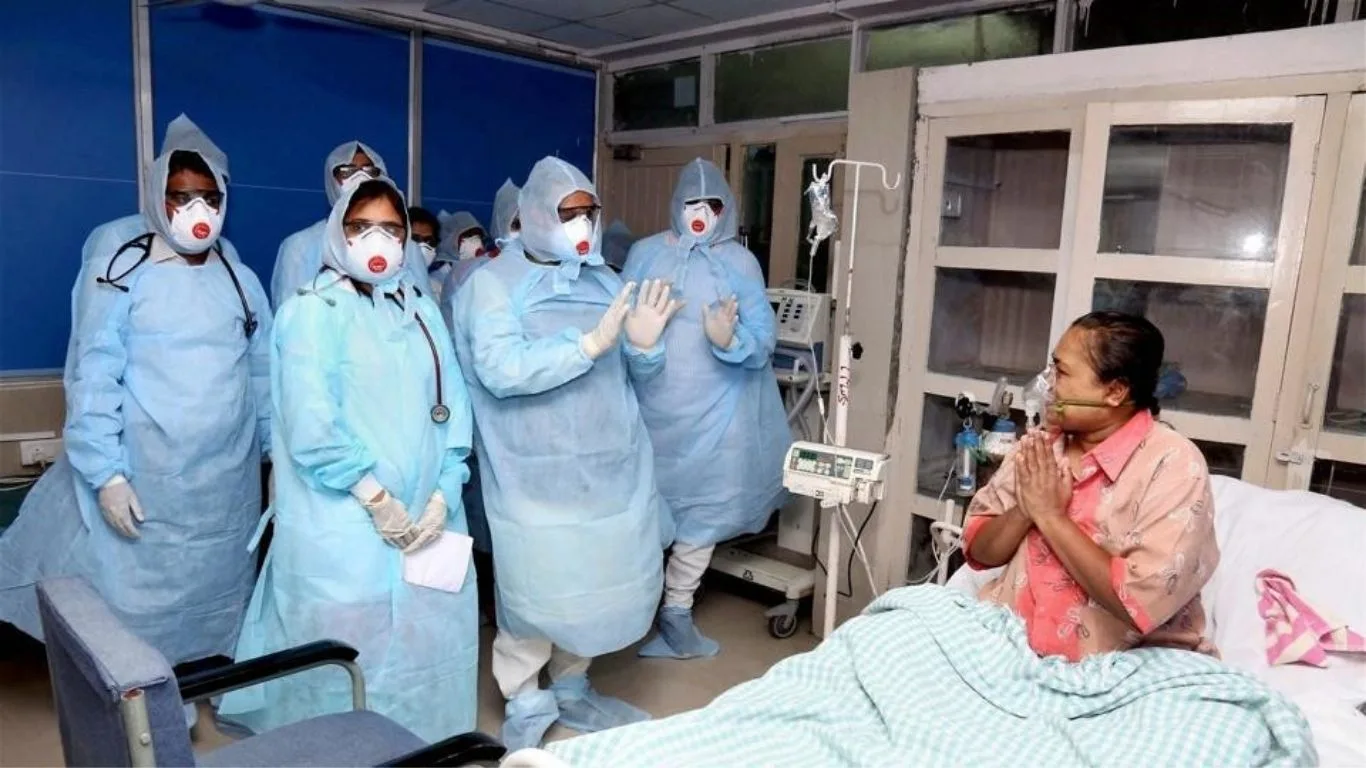
H1N1 cases are rising in Delhi. Doctors explain why the virus causes mild flu in some people but can lead to pneumonia and severe illness in others
New Delhi: As H1N1 cases rise in Delhi and other parts of India, one question remains particularly important: why does the same influenza virus cause a few days of fever and cough in one person, but lead to pneumonia and respiratory failure in another?
The answer is not simply the virus itself. A patient’s age, underlying health, immune response and how quickly medical care begins can all influence the course of the infection.
Delhi’s latest figures show the scale of the current surge. Health department data reported 2,729 H1N1 cases by August 27, with 125 new cases recorded that day. At the same time, health officials have said that severe cases requiring intensive care remain limited. The contrast illustrates an important feature of influenza: infection does not always translate into severe disease.
Most infections remain uncomplicated
H1N1 is a subtype of influenza A. In most people, infection causes symptoms such as fever, cough, sore throat, body aches, fatigue and a runny or blocked nose. The illness usually resolves without hospitality.
But influenza can also affect the lower respiratory tract and cause viral pneumonia. In severe cases, falling oxygen levels and breathing difficulty can progress to respiratory failure. The risk is higher in certain groups.
Age and existing illness matter
Young children and older adults are more vulnerable to complications from influenza. Pregnancy also increases the risk of severe disease.
People with asthma or other chronic lung diseases, heart disease, diabetes or weakened immunity face additional risks. For them, an influenza infection can place greater stress on the respiratory and cardiovascular systems and make complications harder to manage.
Obesity has also been associated with severe outcomes in studies of pandemic H1N1, although it is only one of several factors that influence the course of the disease.
Importantly, however, severe influenza is not restricted to people with known medical conditions. Previously healthy people can also develop serious complications.
Why a healthy person can become seriously ill
There is no single explanation for why some otherwise healthy people develop severe influenza. The body’s immune response is part of the picture. The immune system has to control the virus without causing excessive inflammation in the lungs. In severe influenza, inflammation and damage to lung tissue can contribute to pneumonia and impaired oxygen exchange.
Researchers have also identified differences in age, genetics, previous immunity and the amount of virus present in the body as possible factors influencing disease severity. This is why a person’s health history alone cannot always predict the outcome.
Treatment works best when started early
Timing is another important factor. Antiviral medicines such as antivirals are most effective when started early, ideally within 48 hours of symptoms beginning. However, treatment can still benefit patients with severe illness or those at high risk of complications even when they seek care later.
This makes early medical assessment particularly important for people at higher risk. Antivirals should not be started casually or without medical advice. Doctors decide whether they are appropriate based on the patient’s symptoms, risk factors and clinical condition.
When flu symptoms become a warning sign
The first symptoms of H1N1 can resemble those of other respiratory infections. Fever, cough, sore throat, fatigue and body aches are common across several viral illnesses. The more important question is whether the illness is improving or worsening.
Difficulty breathing, persistent chest pain, confusion, severe weakness, dehydration, bluish lips or skin, or a worsening cough after an initial improvement should prompt urgent medical attention. A return of fever accompanied by worsening respiratory symptoms can also indicate a complication or a secondary infection.
Why the 2009 pandemic changed the understanding of H1N1
The 2009 H1N1 pandemic showed that severe influenza does not affect only people with pre-existing illnesses. A proportion of patients who developed serious disease had no known underlying condition.
That experience shifted the focus from identifying a single “high-risk” patient profile to recognising that influenza severity results from several interacting factors. The same principle remains relevant today: being young and otherwise healthy reduces the risk of complications, but does not eliminate it.
What people should do
For most people, H1N1 remains a manageable respiratory infection. The current rise in cases does not mean that most infected people will require hospital care. India’s health authorities have also said that the circulating H1N1 strain is not a newly emerged strain and that severe cases remain relatively low.
But people should not ignore symptoms that become progressively worse. Those at higher risk should seek medical advice early, rather than waiting for breathing problems to develop. Early evaluation can help doctors identify patients who may need antiviral treatment, monitoring or further testing.
For everyone else, basic precautions remain useful: avoiding close contact with people who are ill, improving ventilation in crowded indoor spaces, covering coughs and sneezes, washing hands regularly and staying home when sick.
The key lesson from H1N1 is therefore not that the virus behaves unpredictably in every patient. It is that the outcome of influenza depends on the interaction between the virus and the person it infects.
For one patient, that may mean a few days of fever and fatigue. For another, particularly when risk factors or complications are present, the same infection can become a serious respiratory illness.
