
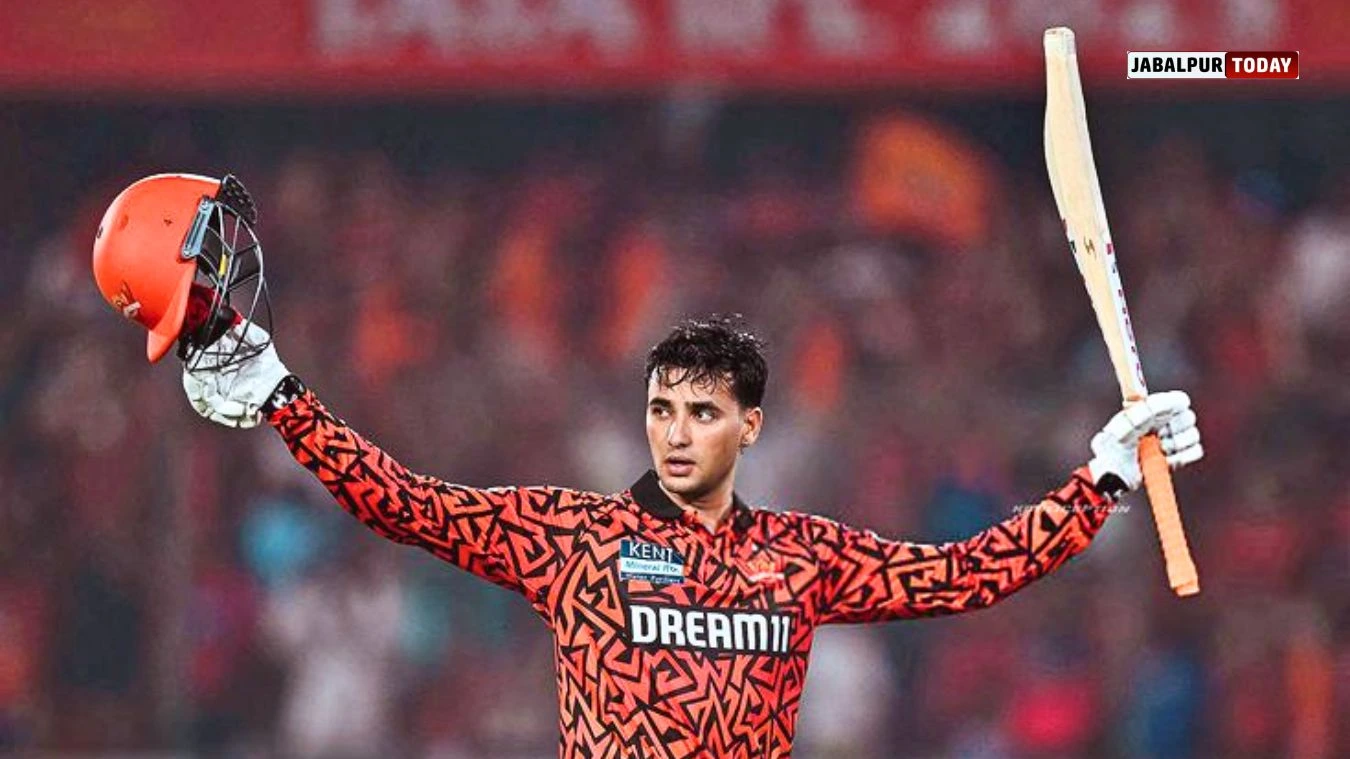
New Delhi: The Indian Premier League has always possessed a unique flair for crafting moments that leave you speechless—stopping you right in the middle of what you were doing. Abhishek Sharma just delivered one of those.
His 141-run innings for Sunrisers Hyderabad didn’t just win a match it climbed to the very top of a list that includes some of the finest names in Indian cricket. At 24, he’s now the owner of a record that KL Rahul, Rishabh Pant, and Virender Sehwag couldn’t claim.
Full List of Indian player who score highest
| Rank | Player | Score | Team |
|---|---|---|---|
| 1 | Abhishek Sharma | 141 | Sunrisers Hyderabad |
| 2 | Abhishek Sharma | 134* | Sunrisers Hyderabad |
| 3 | KL Rahul | 132* | Punjab Kings |
| 4 | Shubman Gill | 129 | Gujarat Titans |
| 5 | Rishabh Pant | 128* | Delhi Capitals |
| 6 | Murali Vijay | 127 | Chennai Super Kings |
| 7 | Yashasvi Jaiswal | 124 | Rajasthan Royals |
| 8 | Virender Sehwag | 122 | Kings XI Punjab |
| 9 | Paul Valthaty | 120* | Kings XI Punjab |
| 10 | Virender Sehwag | 119 | Delhi Daredevils |
Innings that got Abhishek here twice
Most batsmen dream of putting their name on a list like this once. Abhishek Sharma has done it twice — and both times, he was the one he was competing with. The 141 and the 134* sit at numbers one and two among the highest scores by an Indian in IPL history- — 141 and 134*.
That kind of consistency doesn’t happen by accident and it doesn’t happen on talent alone. It happens when a player has genuinely figured something out. Abhishek has figured out T20 bowling, and right now nobody’s found an answer.
Batsmen he left behind
KL Rahul — 132* (No. 3 all-time)
The most composed innings on this list
Rahul’s unbeaten 132 is the rare knock that makes T20 cricket look like Test batting — unhurried, technically immaculate, and quietly devastating. He didn’t bludgeon; he accumulated at pace. That combination of elegance and efficiency is what makes his innings stand out even in a list full of fireworks.
Shubman Gill — 129 (No. 4 all-time)
Timing over brute force
Gill hits the ball harder than he looks like he’s hitting it. His 129 was a lesson in placement — finding gaps, reading the field, and never looking like he was forcing anything. It’s the kind of innings that makes fielding captains feel helpless because there’s no obvious weakness to attack.
Rishabh Pant — 128* (No. 5 all-time)
The audacity benchmark
Pant’s 128 not out is the innings on this list that probably produced the most jaw-dropping individual shots. He doesn’t wait to settle in. He doesn’t let the situation dictate his approach. From ball one, bowlers are on the back foot, and they rarely recover.
Yashasvi Jaiswal — 124 (No. 7 all-time)
The new generation announces itself
That Jaiswal is already on this list at his age tells you everything about where Indian batting is heading. Fearless, instinctive, and completely unbothered by the occasion — his 124 was a statement innings from a player who looks like he’ll be making these statements for the next decade.
Virender Sehwag — 122 and 119 (No. 8 and 10)
The one who made it okay to bat like this
Before Sehwag, Indian batting was technique and temperament. Sehwag added a third element: attitude. His two entries on this list are a reminder that the fearless batting culture we celebrate in Abhishek Sharma and Jaiswal today has deep roots — and Sehwag is where a lot of it started.
What this list actually tells us about Indian cricket
Look at the names and ages across this list, and a clear picture emerges. On one end, you have Virender Sehwag and Murali Vijay.
Meanwhile, KL Rahul represents the bridge generation—the one who showed that you could have a textbook technique and still maintain a strike rate above 140 in the same innings. At the same time, on the other end, Abhishek Sharma, Shubman Gill, Yashasvi Jaiswal, and Rishabh Pant define the modern wave.
In contrast, their approach reflects a shift toward fearless, high-impact batting from the very start. Somewhere between Sehwag’s debut and Abhishek’s 141, Indian batting changed its entire personality.
